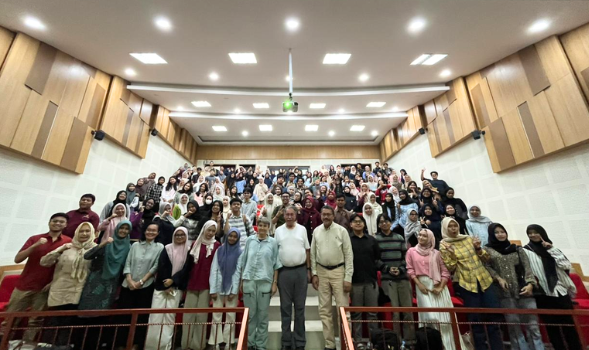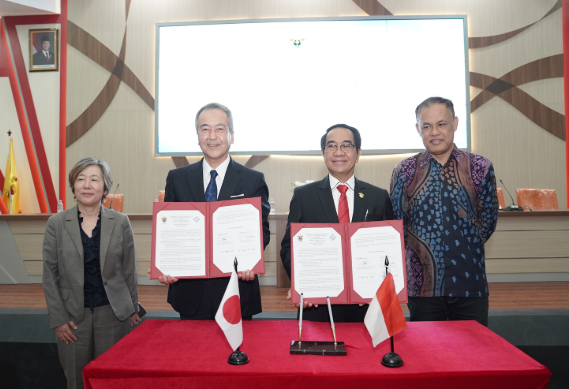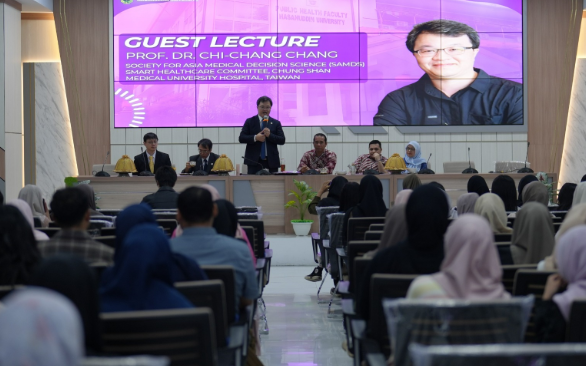
Makassar, April 2–4, 2026 — Politeknik Sultan Haji Ahmad Shah conducted an institutional visit to Hasanuddin University as part of efforts to strengthen international academic collaboration in vocational education, agricultural technology, and human resource development.
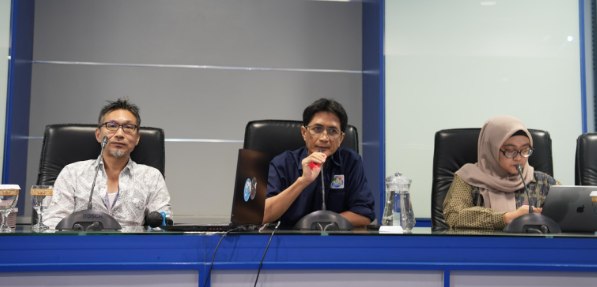
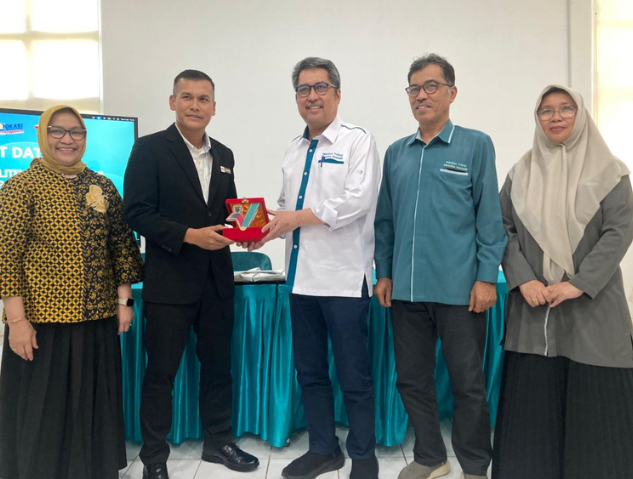
The POLISAS delegation, led by Mohd Safarim, was formally welcomed by university leaders and representatives from the Directorate of Partnerships, the Faculty of Vocational Studies, the Faculty of Agriculture, and the Faculty of Agricultural Technology (FATETA). The main meeting, held at the Vice Rector IV’s Conference Room, served as a strategic forum to explore potential collaboration in education, research, curriculum development, and student and staff mobility programs.
Representatives from the Faculty of Vocational Studies emphasized that international collaboration plays a crucial role in enhancing the global competitiveness of vocational education. Partnerships with institutions such as POLISAS are expected to foster innovation, facilitate knowledge exchange, and strengthen the alignment between academic programs and industry needs.
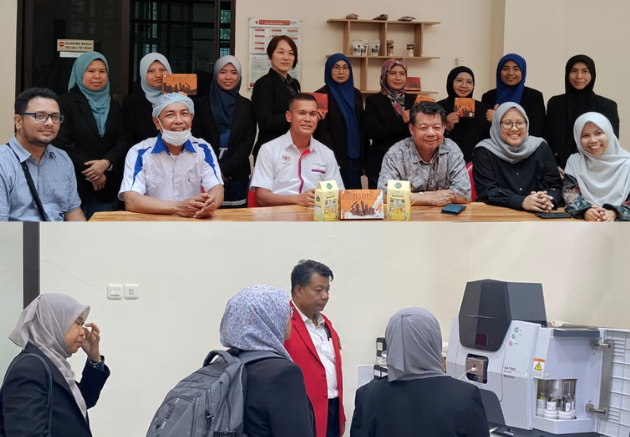
Beyond formal discussions, the visit featured a series of academic and field activities. The POLISAS delegation visited the Food Science and Technology Program at FATETA, where they toured key laboratories, including the Food Microbiology and Biotechnology Laboratory, the Food Analysis and Quality Control Laboratory, and the Sensory Testing Laboratory. During the visit, the delegation received comprehensive briefings on learning facilities, research initiatives, and innovations developed by faculty members and students.
On April 4, 2026, the delegation continued their visit to the UNHAS Teaching Industry, where they observed production processes and research-based downstream products, such as chocolate and coconut oil developed by the academic community. This visit provided practical insights into how university research is translated into industry applications.
As part of cultural exchange, the Faculty of Vocational Studies also introduced traditional Makassar culinary specialties to the POLISAS delegation. This activity served as an experiential learning opportunity while promoting cross-cultural understanding within the framework of international collaboration.
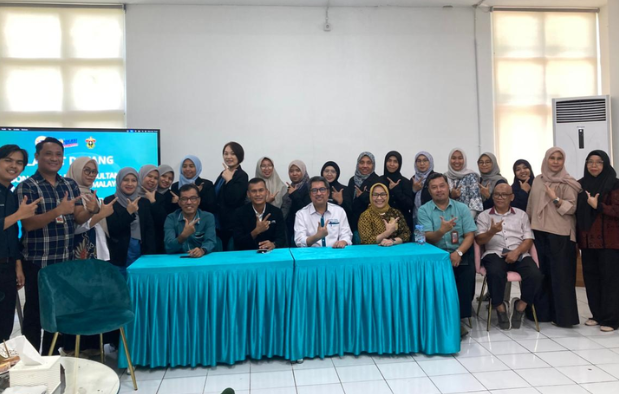
Throughout the visit, both institutions discussed concrete collaboration initiatives, including inbound and outbound student exchanges, joint research projects, and the development of collaborative academic programs. Both parties expressed a strong commitment to formalizing these initiatives into sustainable partnerships that contribute to the advancement of higher education in Indonesia and Malaysia. This visit marks a significant step in expanding UNHAS’s global network and reinforces the internationalization agendas of both institutions through strategic, innovative, and future-oriented collaboration.