
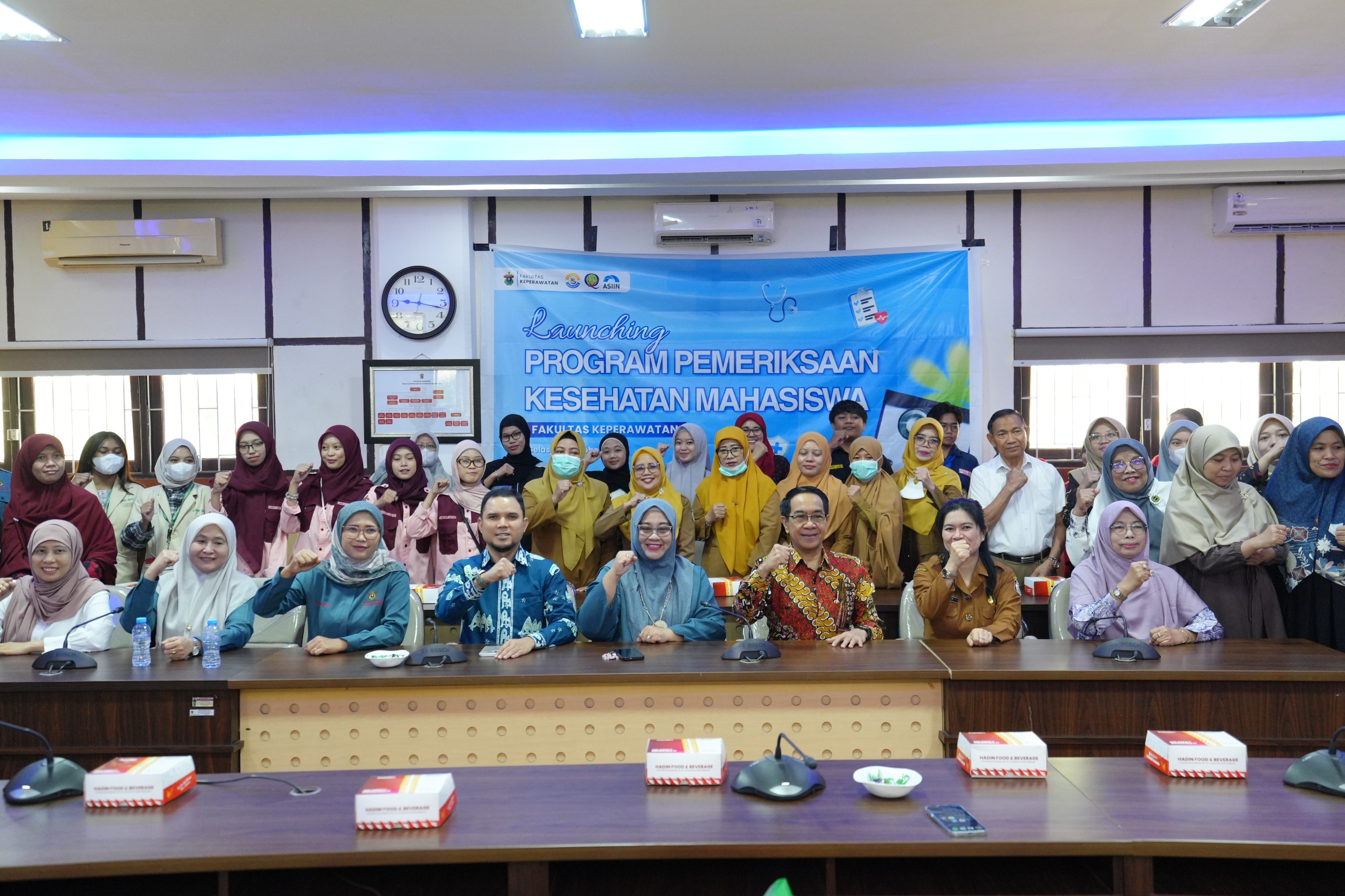
MAKASSAR – Physical and mental health play an important role in supporting students’ education. To strengthen early detection and raise awareness of health conditions, Hasanuddin University (Unhas), through the Faculty of Nursing (FKep), has introduced the Student Health Examination Program as an effort to build a culture of healthy living on campus.
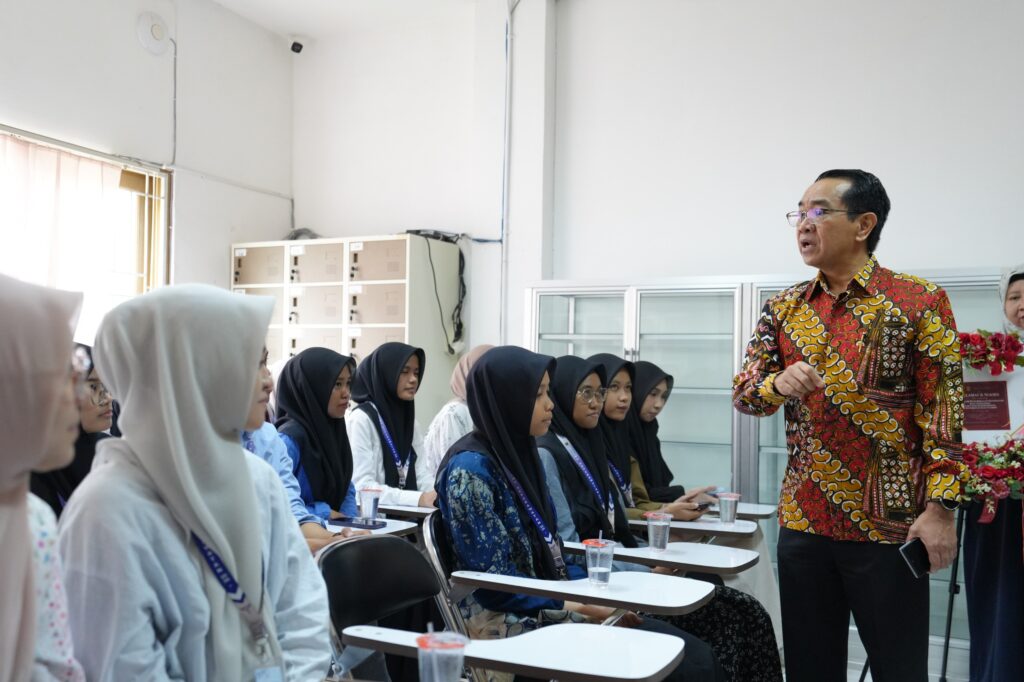
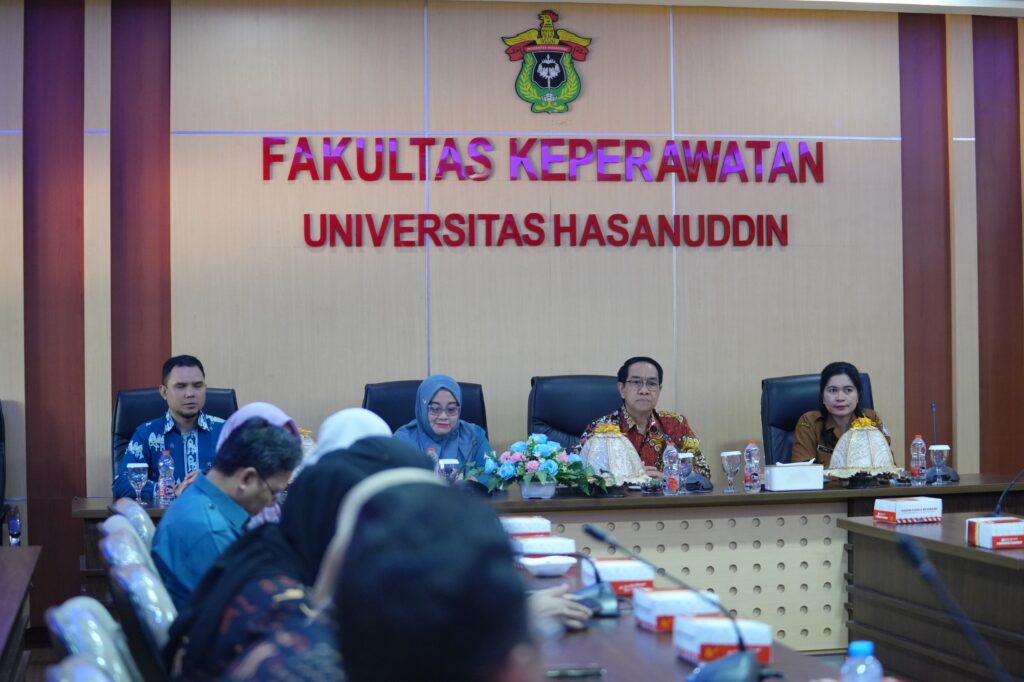
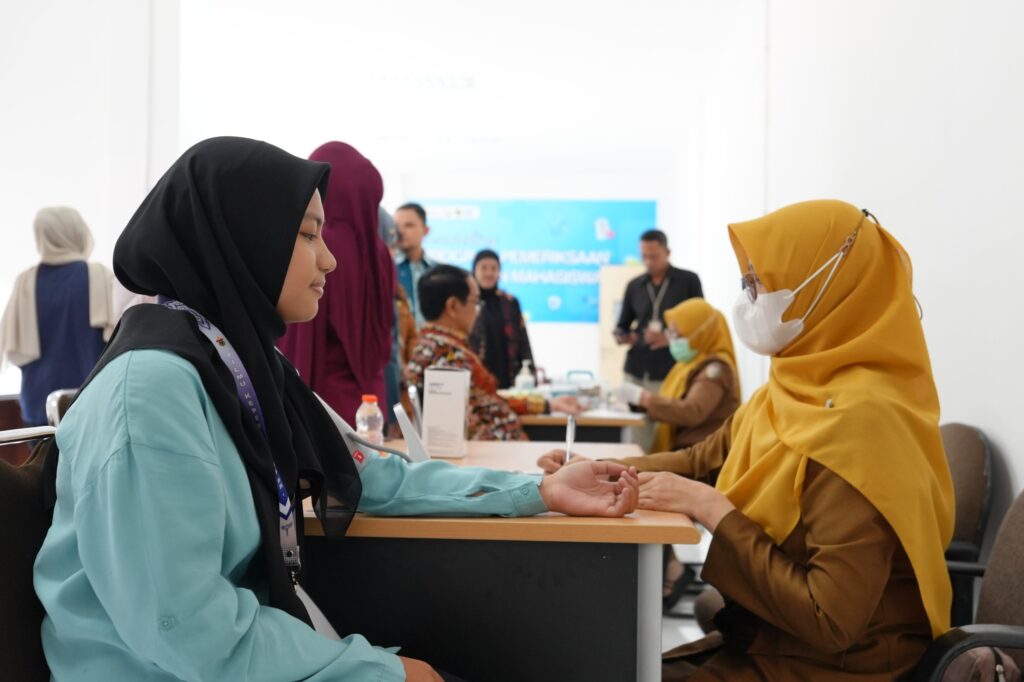
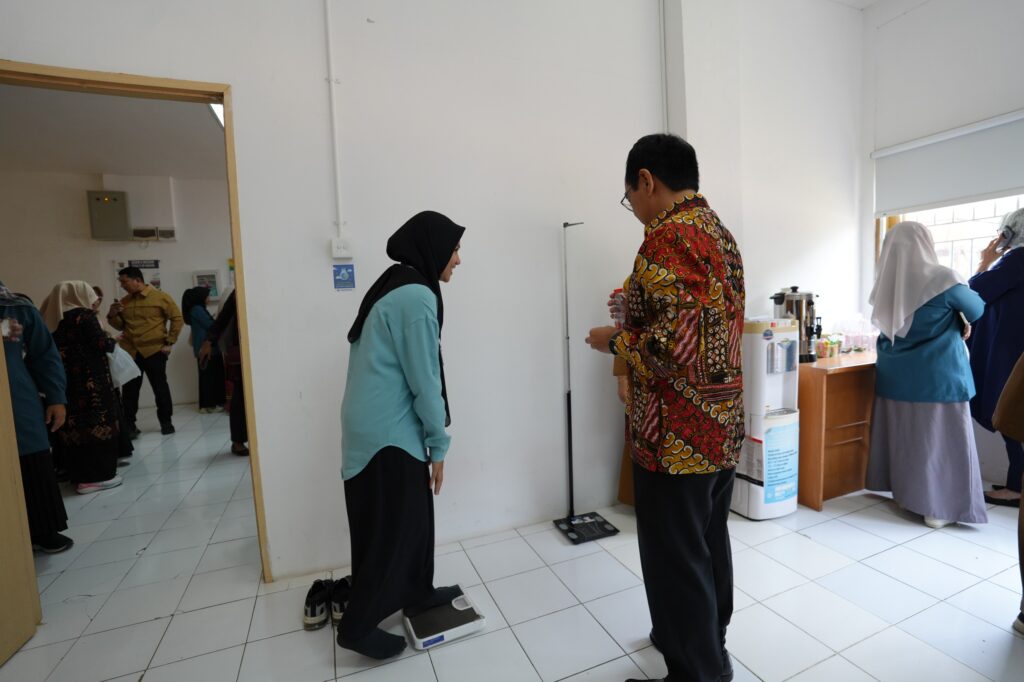
The program officially began on Tuesday (13 October) in the FKep Unhas Senate Room. Health examinations are held in the FKep Objective Structured Clinical Examination (OSCE) Building. The activity includes physical examinations and mental health screening, running for approximately three days.
Through this program, students have the chance to understand their health condition early. The examinations are expected to help identify potential health problems, as a basis for deciding on preventive measures or follow-up. This preventive step is an effort to protect health before complaints arise.
The Dean of FKep, Prof. Dr. Elly Lilianty Sjattar, S.Kp., M.Kes., explained that the program is an extension of cooperation with the Health Office through the Antara Community Health Center (Puskesmas). Previously, Unhas has carried out medical check-ups (MCU) for lecturers and education staff for approximately three years. In 2026, FKep is expanding the program to students for the first time, targeting around 300 students from the 2026 intake.
“We hope this program will not only raise awareness of physical and mental health, but also serve as a sustainable initiative that other faculties at Unhas can emulate,” explained Prof. Elly.
Besides physical examinations, mental health screening is an important part of recognizing the need for psychological support early. Students are expected to better understand their own condition and take the right steps to protect their well-being.
The Head of Antara Community Health Center, Herni Raru, S.Kep., Ners., in the remarks appreciated the collaboration between Unhas and the Antara Community Health Center through this program. This is in line with the government’s efforts, through the Ministry of Health, to promote early detection and screening of disease risk factors.
“I hope the collaboration between Unhas and the Antara Community Health Center can continue to be strengthened through sustained synergy, expanding education to raise students’ awareness of the importance of disease prevention and the practice of healthy living,” said Herni.
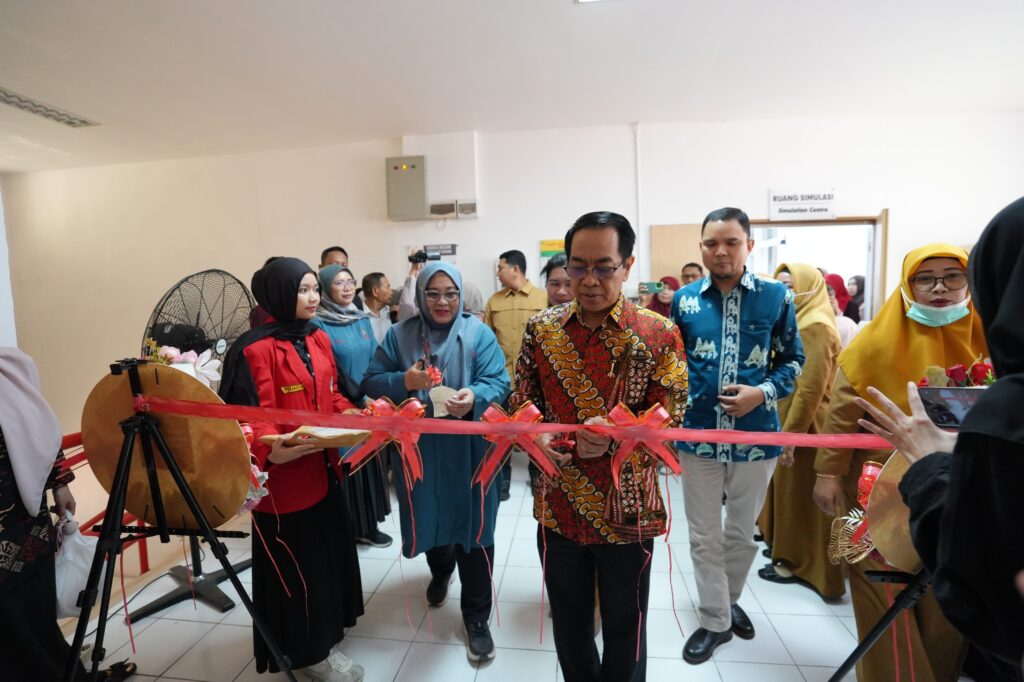
The program was officially launched by the Rector of Unhas, Prof. Dr. Ir. Jamaluddin Jompa, M.Sc. In the remarks, Prof. JJ said the program is in line with the institution’s commitment to strengthening the health of the academic community while supporting government programs. Physical and mental health need to be maintained in balance because both play an important role in supporting quality of life, productivity, and students’ success in their education.
“We want to build a campus environment that is not only academically outstanding, but also healthy physically and psychologically. Health must be a shared concern, because a healthy and fit academic community is one of the important prerequisites for the university’s progress,” explained Prof. JJ
The initiative also supports Unhas’s flagship program PRIME (Physical-Psychological Resilience, Intervention, and Medical Ecosystem). Evaluation is needed so that the program can be assessed on measurable outcomes and its benefits for the academic community. The health examination initiative is expected not to end as a one-off activity, but to develop as part of the institution’s sustained efforts.
“I hope the Faculty of Nursing’s initiative will be a first step that inspires other faculties to join in building a culture of healthy living at Unhas,” added Prof. JJ.
Through this program, Unhas hopes students’ awareness of physical and mental health will continue to grow. The FKep initiative is expected to become an example for other faculties while supporting the Sustainable Development Goals (SDGs), specifically SDG 3 on Good Health and Well-Being. (*/mir)
Editor : Ishaq Rahman
This article is an English translation of the original Indonesian report.