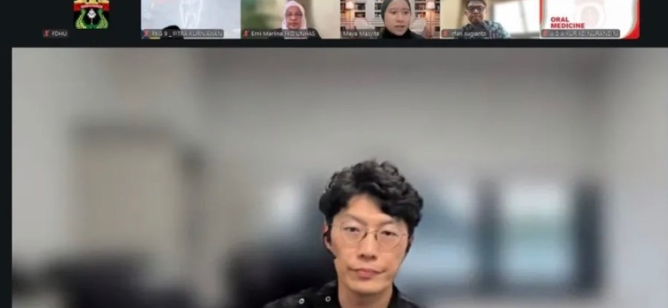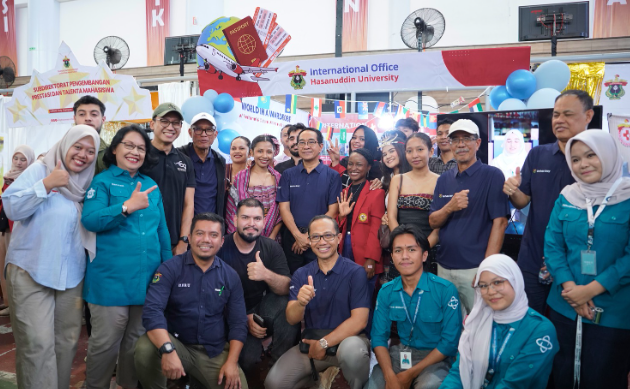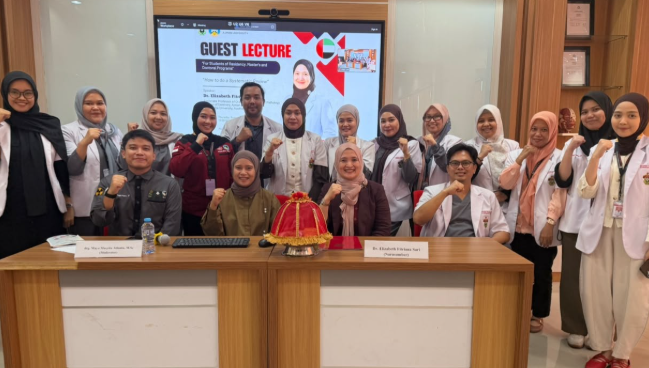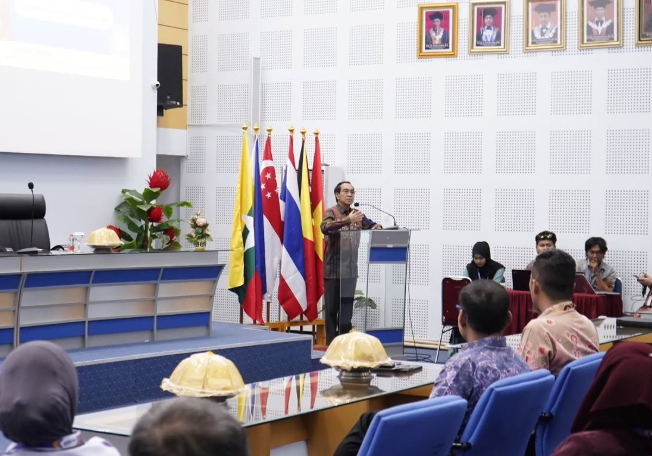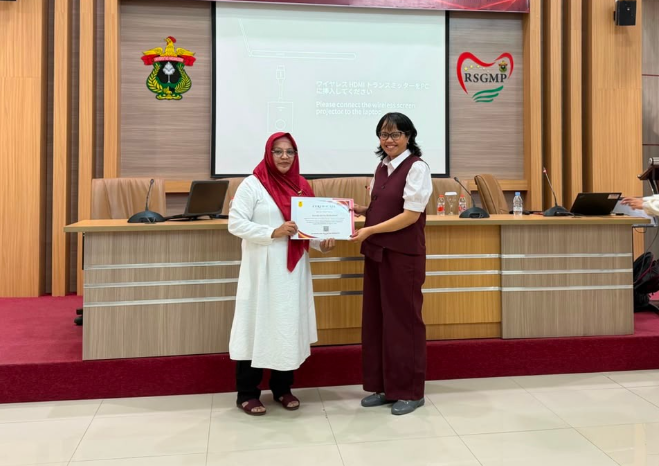
The Faculty of Dentistry (FKG) Hasanuddin University (UNHAS), successfully hosted the Virtual Symposium Series: “Periodontal Insight – From Fundamentals to Future Perspectives” on Friday, 12 June 2026. The symposium was conducted online and attracted participants from various academic and professional backgrounds.
The event was organized as part of FKG UNHAS commitment to providing opportunities for alumni, dental practitioners, and students to enhance their knowledge and stay updated with the latest developments in dentistry. In addition to supporting professional development, the symposium also aimed to strengthen academic networking and collaboration with international partner institutions.
The symposium featured an international speaker, Dr. Yasir Siddiqui from the Department of Preventive Dentistry, College of Dentistry, Jouf University, who delivered a lecture entitled “From Infection to Regeneration: A New Way to Think about Periapical Healing.”
In his presentation, Dr. Siddiqui explained that periapical healing, the process of tissue repair around the apex of a tooth root remains one of the primary goals of endodontic treatment. For many years, treatment success was mainly measured by the effective elimination of infection, which is the primary cause of inflammation in periapical tissues.
However, advances in modern dental science have demonstrated that successful healing depends on more than simply eradicating bacteria. Contemporary approaches emphasize the importance of creating a favorable biological environment that supports the body’s natural repair and regenerative processes.
The concept of “From Infection to Regeneration” encourages clinicians to view endodontic treatment from a broader perspective. Beyond controlling infection, treatment strategies should also focus on optimizing the body’s healing response through the application of advanced technologies, bioactive materials, and innovative regenerative approaches.
Recent studies have shown that the use of bioactive biomaterials and tissue engineering-based strategies holds significant potential for accelerating healing processes and improving the long-term success of root canal treatment. These emerging developments are expected to transform the future of endodontic therapy by shifting the focus from merely eliminating disease to actively promoting tissue regeneration and functional recovery.
Through this symposium, FKG UNHAS reaffirmed its commitment to fostering scientific exchange, promoting lifelong learning, and facilitating international collaboration in support of advancements in dental education, research, and clinical practice.