
Mastery of foreign languages and cultures plays an important role in science diplomacy at universities. This competence facilitates cross-border scientific communication, expands research networks, and builds trust among academic partners.
Language enables researchers to access global literature, publish their findings, and take part in international scientific forums. Meanwhile, cultural understanding helps academics read the norms, ethics of collaboration, and social sensitivities involved in research cooperation. Together, the two strengthen a university’s ability to build international collaboration, attract research funding, and promote national interests through the exchange of knowledge and scientific innovation.
Linguistic and cultural competence thus becomes a strategic asset for universities in fulfilling their role as actors in science diplomacy at the global level.
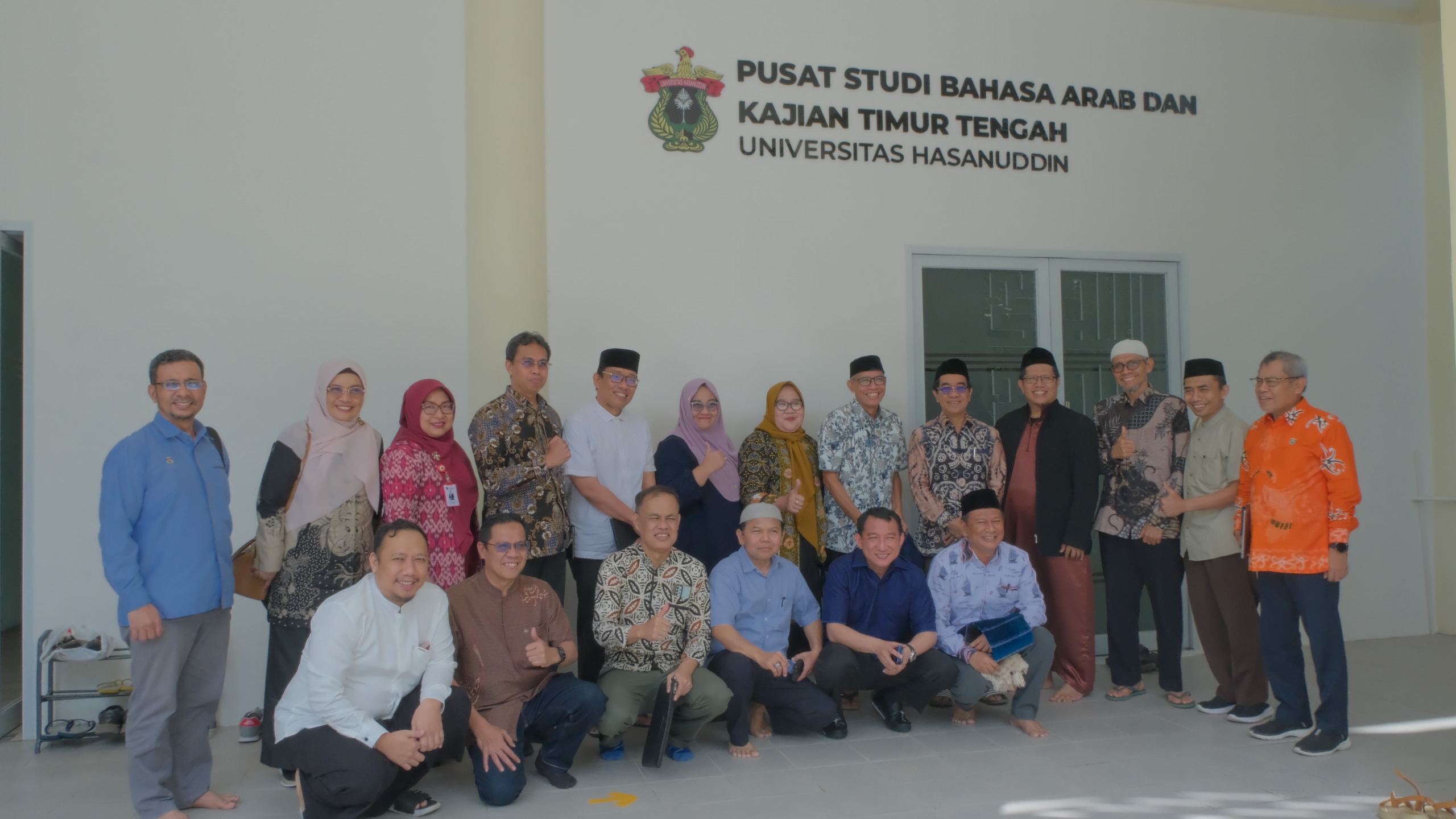
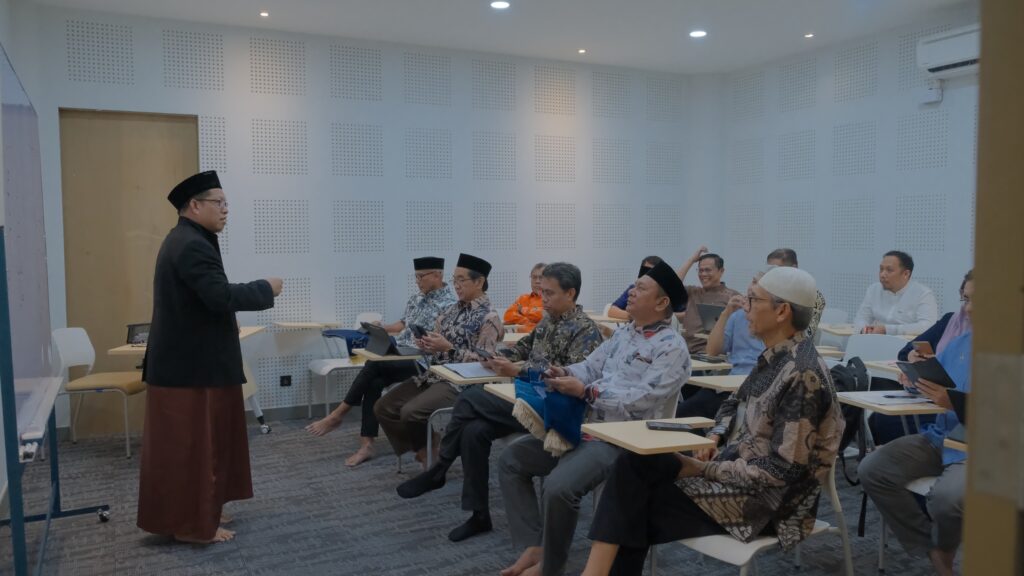
Hasanuddin University (Unhas) has reaffirmed its commitment to strengthening its position on the global stage by initiating a leadership capacity-building program based on international literacy. At the Tamalanrea Campus, Unhas held the first Arabic language class on Friday (13 March 2026).
The first class was attended by the university’s top leadership, from the Unhas Rector and the Chair of the Academic Senate to the Vice Rectors and the Deans. The presence of all these leaders reflects institutional cohesion in supporting a more substantive internationalization agenda.
The program is led by Prof. Dr. Yusring Sanusi Baso, M.App. Ling., an applied linguistics expert at Unhas. Prof. Yusring outlined the academic dimensions of the learning process. Rather than simply introducing conventional grammar, the class is designed to examine the connections between linguistic aspects and the sociocultural context and professional protocols in the Middle East.
“This approach aims to equip leaders with cultural capital that is crucial for navigating research and education collaboration at the transnational level,” said Prof. Yusrin.
On the same occasion, Unhas Rector Prof. Dr. Ir. Jamaluddin Jompa, M.Sc., stressed that this initiative goes beyond a ceremonial activity. The program is a strategic instrument for breaking down communication barriers in building global partnerships.
“This initiative is a form of intellectual refreshing and a strategic bridge for the leadership to build more inclusive partnerships in the Middle East. By mastering the language and comprehensively understanding cultural dynamics, we are laying the foundation for more equal and sustainable academic diplomacy in the future,” said Prof. JJ.
Prof. JJ further emphasized the importance of sustaining the program so that it becomes a regular institutional agenda. This transformative step positions Unhas as a global actor responsive to shifts in academic geopolitics. By narrowing the cross-cultural literacy gap, Unhas is increasingly optimistic about realizing its vision as a World Class University through stronger, more authentic partnership networks grounded in deep mutual understanding. (*/san)
Editor: Ishaq Rahman
This article is an English translation of the original Indonesian report.