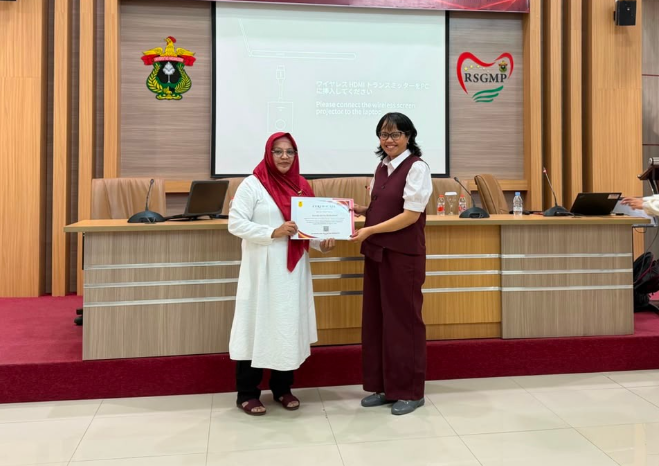
The consortium of the Enhancing Sustainable and Green Leather Technology in Indonesia (ELEGTEC) project, a collaborative initiative funded by the European Union under the Erasmus+ Capacity Building in Higher Education (CBHE) programme, aims to advance sustainable and green leather technology in Indonesia through human resource development, the enhancement of laboratory facilities, and stronger partnerships among academia, industry, and government. As part of its final year of implementation, the consortium gathered for a follow-up meeting and site visit at the Faculty of Animal Science (FAPET), Hasanuddin University (UNHAS), Makassar, from 24 to 26 June 2026. The meeting marked a significant milestone for all partners as they reviewed the project’s achievements during its third and final year of implementation.
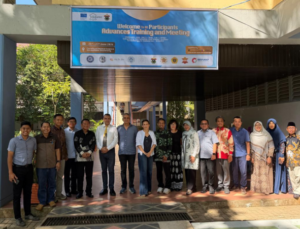
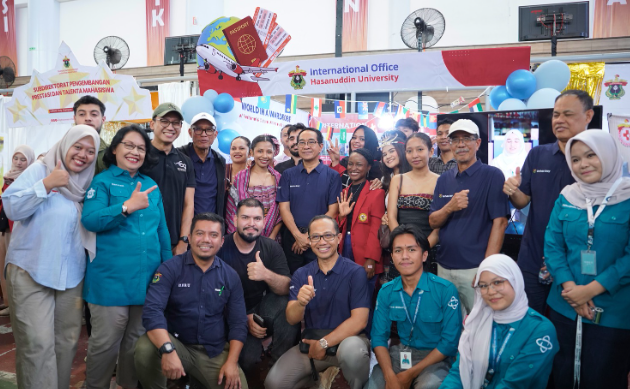
The event, hosted at the UNHAS Tamalanrea campus, brought together approximately 25 consortium members from 10 Indonesian and European partner institutions. The European delegation included Prof. Mete Mutlu and Prof. Hasan from EGE University (Türkiye), Prof. Maurizia from the University of Pisa (Italy), and Prof. Vera Lymperopoulou from the National Technical University of Athens (NTUA), Greece. They were welcomed by the UNHAS team, together with representatives from the national partner institutions: Universitas Gadjah Mada (UGM), Universitas Mataram (UNRAM), the Indonesian Leather Tanners Association (APKI), and the Center for Leather, Rubber, and Plastics under the Ministry of Industry.
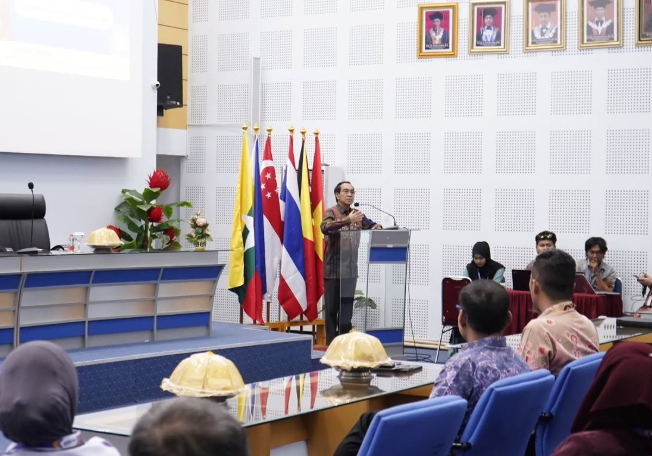
The meeting was officially opened by Prof. Adi Maulana, Vice Rector for Partnership Affairs at UNHAS. In his address, he expressed his appreciation for the commitment of all parties in working together to advance the national leather industry. “International collaboration such as this is vital to transform Indonesia’s leather sector into a more modern, environmentally friendly, and globally competitive industry,” said Prof. Adi.
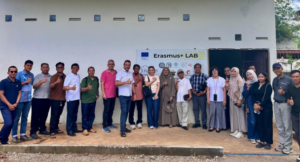
The primary objective of the series of meetings in Makassar was to review the project’s progress. The main agenda featured in-depth discussions on project management and financial aspects, led by representatives from EGE University, alongside evaluations of deliverables across each work package. The UNHAS team presented their readiness to conduct industry and student training programs, fulfilling their responsibilities under the designated work package.
A highlight of the second day’s activities was a visit to several laboratories at the UNHAS Faculty of Animal Science. The visit focused on the leather processing laboratory, which recently received new equipment through the ELEGTEC project. This served as tangible evidence that the project is not merely conceptual but is delivering direct impact by enhancing research and teaching facilities in Indonesia.