
The Faculty of Agriculture, Hasanuddin University (UNHAS), is strengthening its international research network through a joint research visit to Kochi University, Japan, from 14 to 28 October 2026. Led by Dr. Muhammad Fuad Anshori, S.P., M.Si., a plant breeder and lecturer at the UNHAS Faculty of Agriculture, the visit to the Faculty of Agriculture and Marine Science in Nankoku, Kochi Prefecture, focuses on the molecular analysis of functional ornamental bird’s-eye chili lines developed by the faculty.
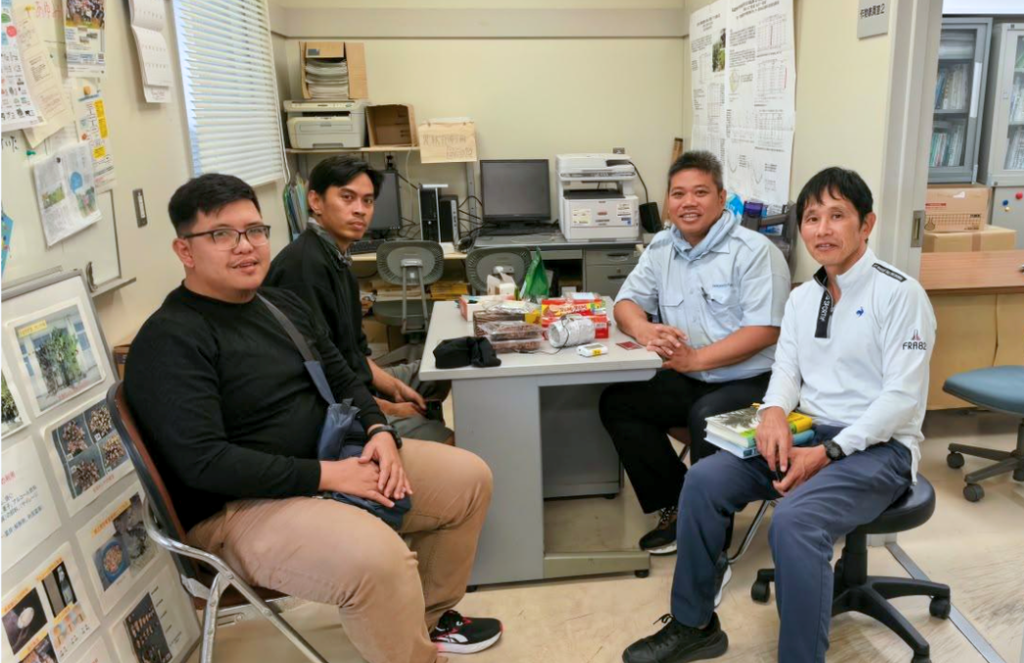
The visit is part of the 2026 International Research Collaboration Program (Riset Kemitraan Internasional/RKI), funded by the Directorate of Downstreaming and Partnership, Directorate General of Research and Development, Ministry of Higher Education, Science, and Technology of the Republic of Indonesia. Hosted by Assoc. Prof. Michiharu Nakano, Ph.D., the joint research is titled “Precision Evaluation in Developing Functional Ornamental Chili through Multi-OMICS Integration to Support Food Security and Family Economic Stability.”
Since 2021, the UNHAS Faculty of Agriculture has been developing functional ornamental bird’s-eye chili lines, a breeding program led by Dr. Fuad that has produced six publications in Scopus Q1–Q3 journals. During the visit, Dr. Fuad presented the faculty’s breeding program and the phenomic evaluation of 20 advanced lines (F6–F7) to researchers and faculty leaders at Kochi University.
The core of the visit is hands-on laboratory work with Dr. Nakano’s team, covering DNA extraction, PCR amplification, and molecular marker genotyping of the chili lines. The molecular data will be integrated with phenomic and agromorphological data to assess genetic diversity and build a selection index, with the aim of identifying five to ten superior lines ready for Distinctness, Uniformity and Stability (DUS) testing toward plant variety protection. The visit also allows UNHAS researchers to master advanced marker analysis protocols that can be applied in the faculty’s own laboratories.
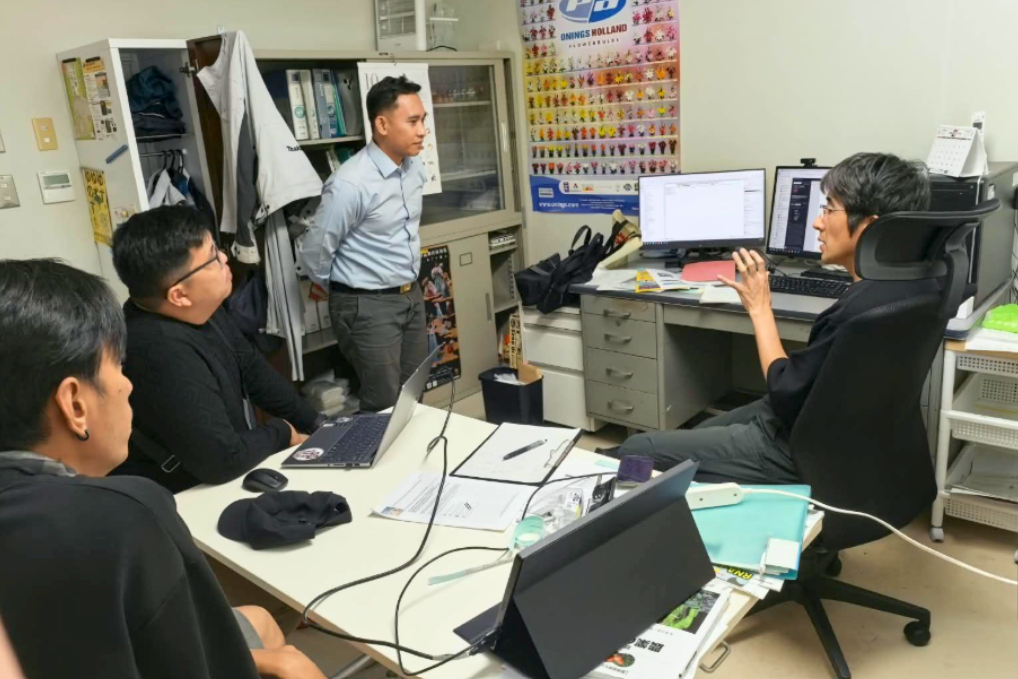
The visit also serves to strengthen institutional cooperation between UNHAS and Kochi University through guest lectures, joint research, and joint supervision. The partners are also preparing a co-authored article for a Scopus Q2 international journal, while a Memorandum of Understanding or Implementing Arrangement between UNHAS and Kochi University will be pursued through the UNHAS Directorate of Partnership.
The collaboration supports Indonesia’s food security research priorities and contributes to SDG 2 (Zero Hunger), SDG 3 (Good Health and Well-being), and SDG 13 (Climate Action). Through partnerships of this kind, the UNHAS Faculty of Agriculture continues to strengthen its capacity in plant molecular breeding and biotechnology, and the results of the visit will be shared with the faculty’s academic community through an internal seminar.