
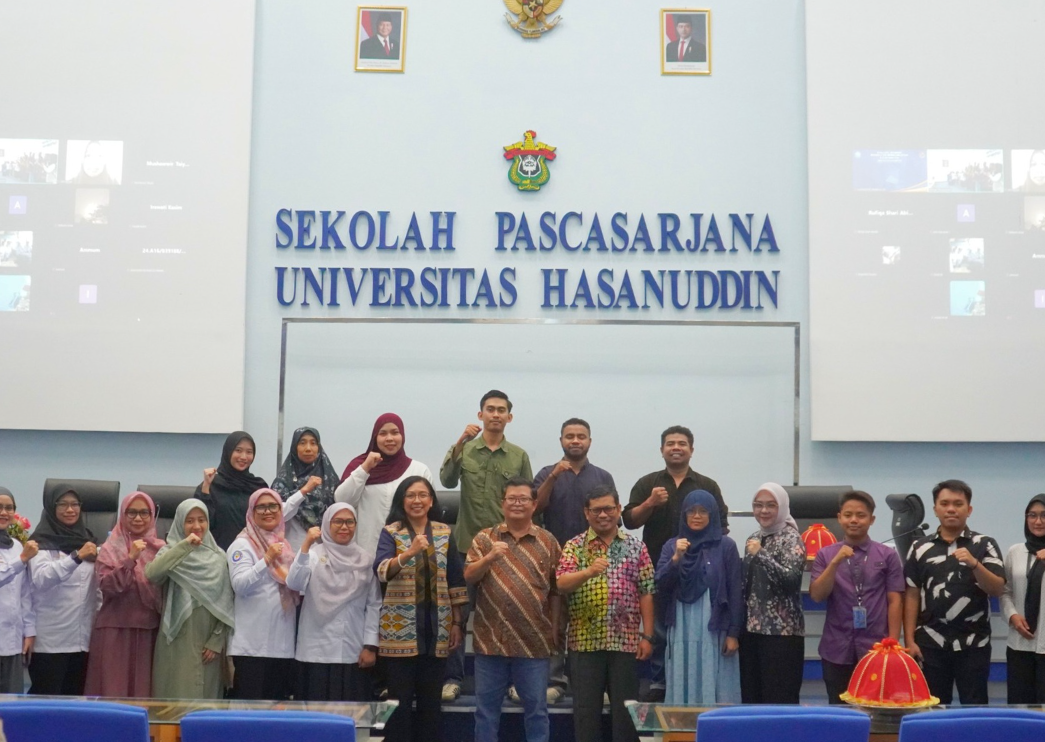
The Graduate School of Hasanuddin University (UNHAS) hosted an international guest lecture featuring Made Airanthi K. Widjaja Adhi from Case Western Reserve University, United States, on Wednesday, 14 October 2026. Organized as part of the Diaspora Berdampak 2026 program, the lecture explored opportunities for interdisciplinary research and innovation in food security and competitiveness.
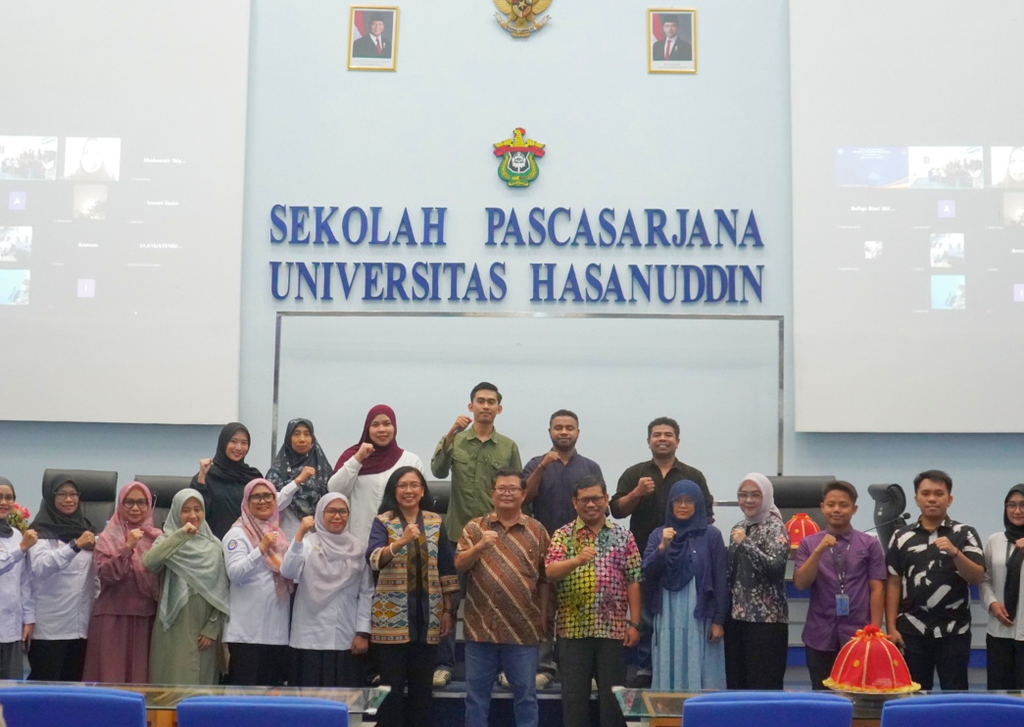
Titled “Pharmacological and Biofunctional Chemical Material Synergy for Retinoid-Carotenoid-Based Food Security and Competitiveness,” the event was conducted in a hybrid format at the Prof. Dr. Ir. Fachruddin Hall of the UNHAS Graduate School and online. Moderated by Dr. Nur Rahma, S.Si., the session brought together academics, researchers, and students to exchange knowledge on emerging developments in food science and biotechnology.
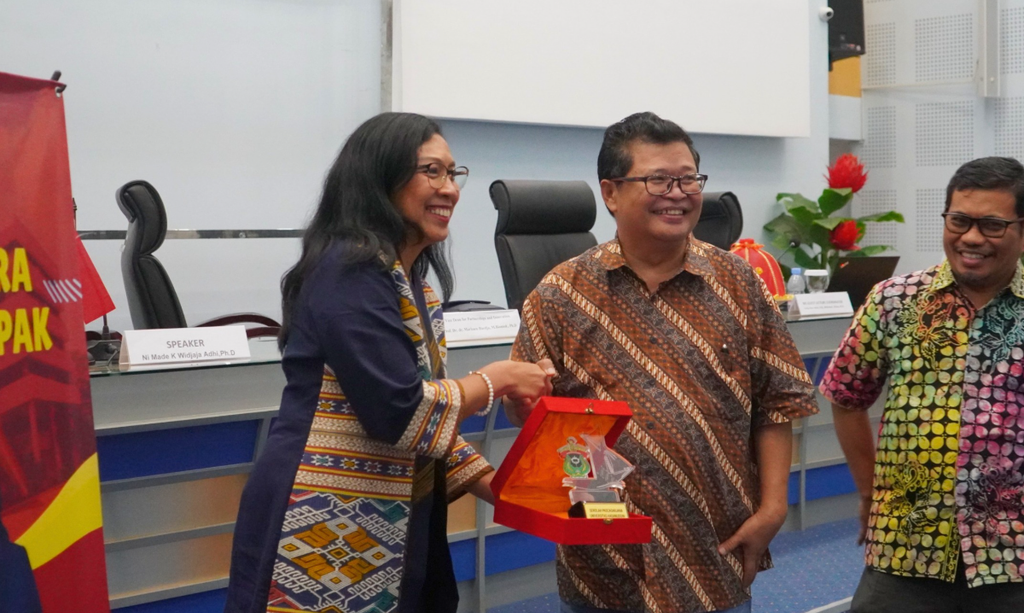
Representing Graduate School Dean Prof. Sukri Palutturi, Ph.D., Vice Dean for Partnerships, Research, Innovation, and Alumni Affairs Prof. Dr. dr. Marhaen Hardjo, M.Biomed., welcomed the speaker and emphasized the importance of international knowledge exchange. He expressed hope that the engagement would encourage future research partnerships between UNHAS and academic institutions in the United States, particularly in interdisciplinary scientific research.
During the lecture, Made Airanthi explored the connections between pharmacology, molecular biology, and bioactive compounds, focusing on the potential applications of retinoids and carotenoids in food innovation. Drawing on research experience in the United States, the speaker highlighted how interdisciplinary collaboration could help translate fundamental scientific discoveries into practical applications that address nutritional, health, and industrial needs.
The discussion also highlighted Indonesia’s rich biodiversity, particularly marine resources such as seaweed, as a promising foundation for developing innovative food products with added value. Made Airanthi emphasized the importance of understanding compound characteristics, material stability, processing techniques, and sustainable supply chains. The speaker also stressed that claims regarding the health benefits of bioactive products must be supported by appropriate scientific evidence and further research.
An interactive discussion followed, covering natural bioactive materials, antioxidant testing, and the development of spirulina-based products. The session reinforced the importance of collaboration among universities, industry, and other stakeholders in transforming Indonesia’s natural resources into competitive innovations. Through this initiative, the UNHAS Graduate School continues to strengthen its engagement with Indonesian diaspora scientists while exploring international research partnerships that contribute to food security, public health, and sustainable innovation.