
MAKASSAR – The increasingly open movement of agricultural, fisheries, and livestock commodities between regions and countries brings economic opportunities as well as risks to biological resources. Behind the distribution of these commodities lies the potential spread of pests, animal diseases, and plant pests that can threaten food production, the environment, and biodiversity.
These risks call for a prevention system able to identify and control threats from the outset. Understanding biosecurity is increasingly important, including for young people who face technological development, global trade, and environmental change.
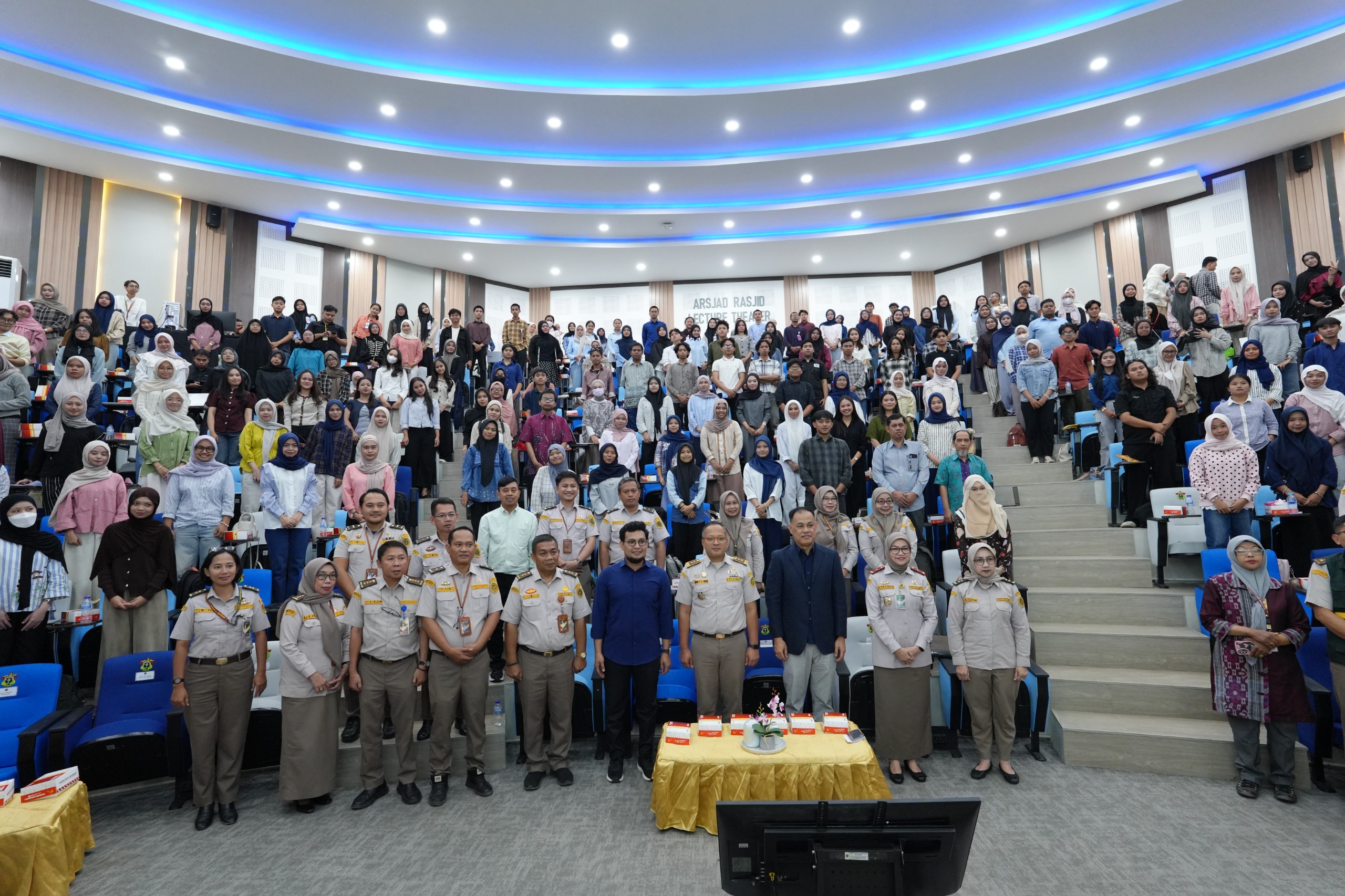
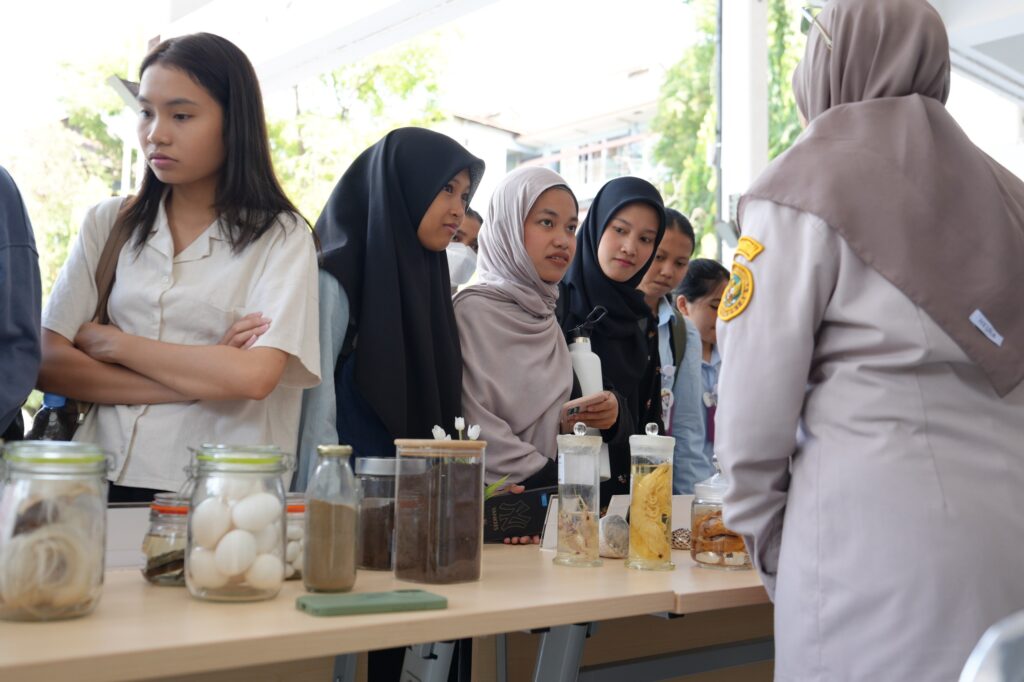
The issue was one of the concerns at Karantina Goes to Campus 2026 (Quarantine Goes to Campus), organized by the South Sulawesi Great Hall of Animal, Fish and Plant Quarantine. Under the theme “Think Global, Protect Local: The Role of Young People Toward Golden Indonesia,” the event invited students to understand the role of quarantine in safeguarding Indonesia’s biological resources.
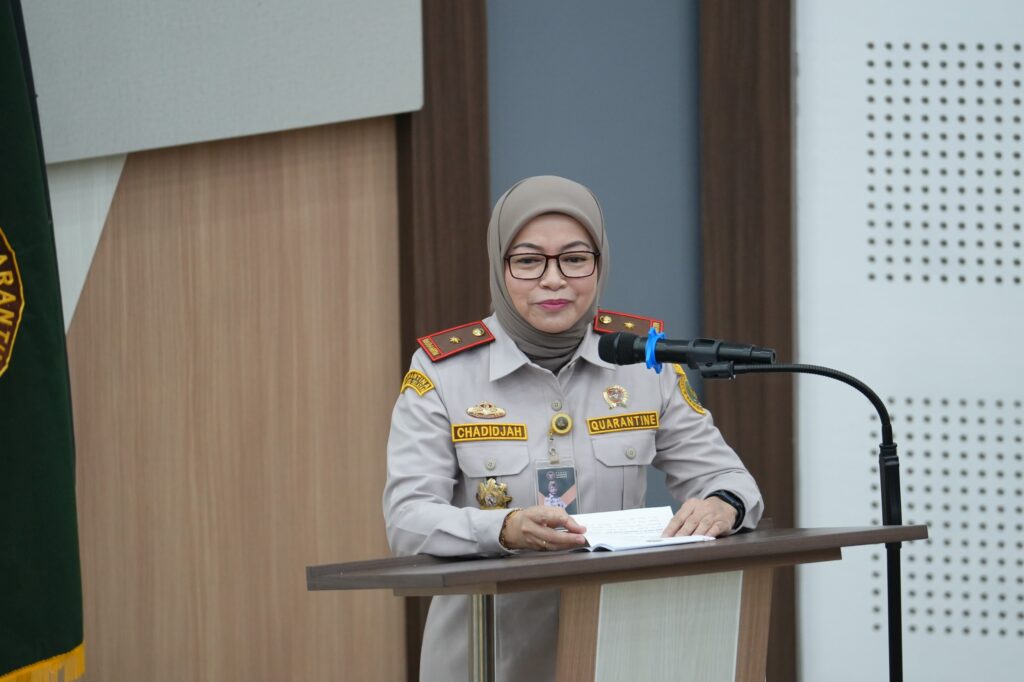
The Head of the South Sulawesi Great Hall of Animal, Fish and Plant Quarantine, Ir. Sitti Chadidjah, M.Si., explained that the presence of the Indonesian Quarantine Agency on campus is a space for dialogue with academia about the challenges of protecting biological resources amid growing movement of people and commodities.
“Agricultural, fisheries, and livestock commodities from South Sulawesi can move and reach many countries, which opens great economic opportunities. However, that mobility also carries the risk of spreading pests and diseases that can threaten our biological natural resources,” explained Sitti Chadidjah.
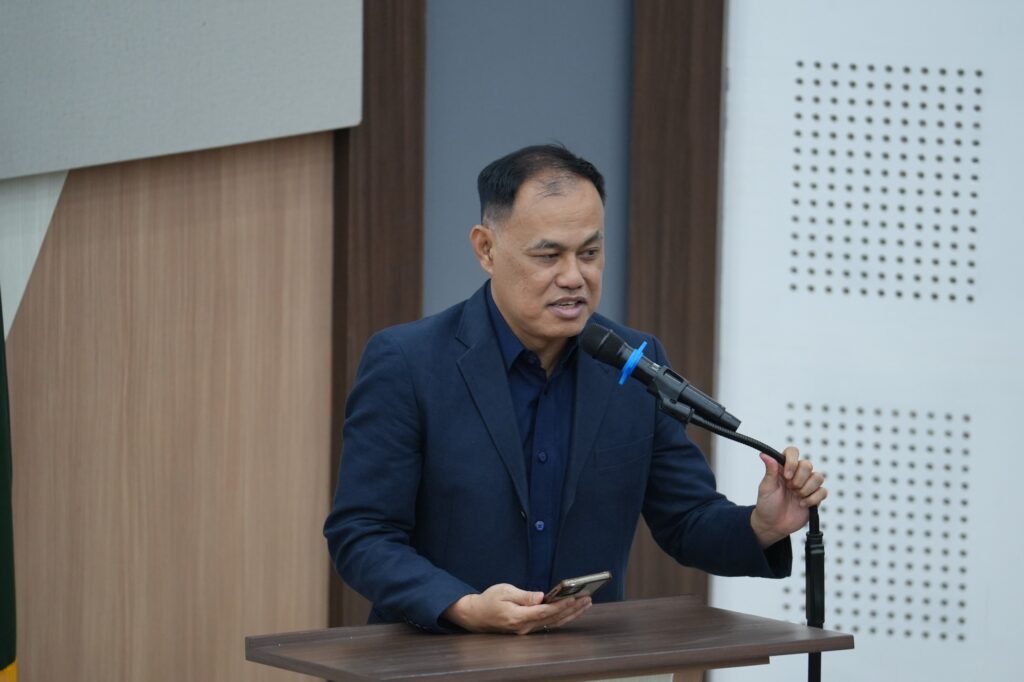
The event was officially opened by the Vice Rector for Partnerships, Internationalization, and Alumni Affairs, Prof. Ir. Suharman Hamzah, S.T., M.T., Ph.D., HSE. Prof. Suharman welcomed the presence of the Indonesian Quarantine Agency on campus.
“Campuses need the presence of practitioners. We greatly appreciate activities like this and hope the collaboration can continue to be developed, including through the establishment of a Quarantine Center Point at Unhas,” said Prof. Suharman.
In Prof. Suharman’s view, a Quarantine Center Point at Unhas is expected to strengthen the link between academia and quarantine practice. Young people need to see an increasingly open world by understanding technology, biosecurity, international trade, global standards, innovation, and environmental change.
“We must use that knowledge and progress to safeguard biological resources, biodiversity, food production, and the many strengths we have in our region,” Prof. Suharman concluded.
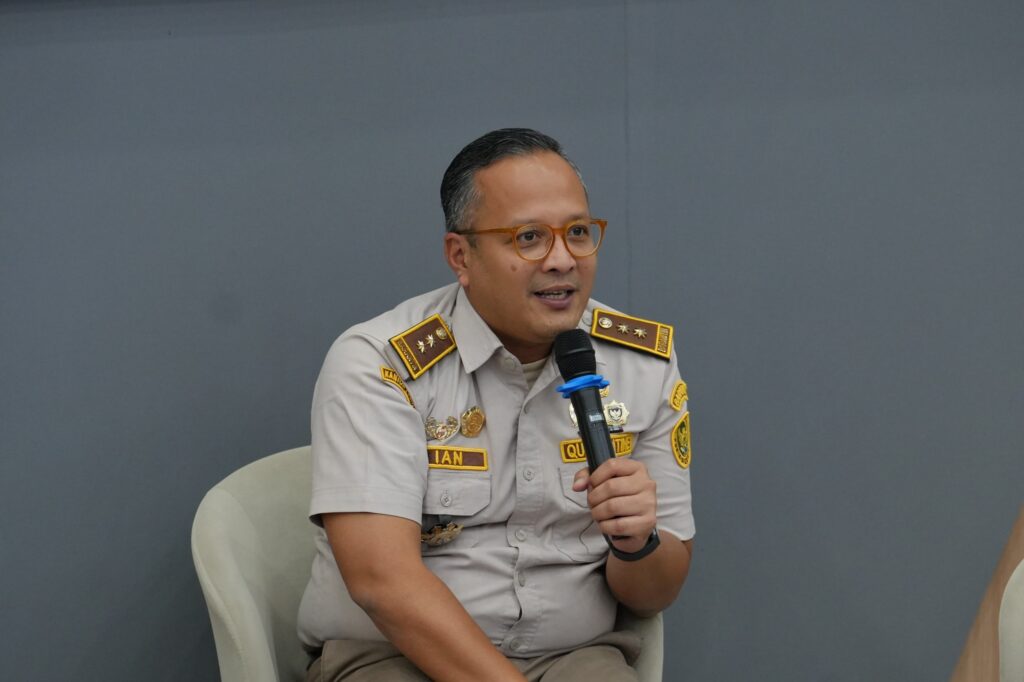
After the opening remarks, the event continued with presentations by the speakers. One presentation was delivered by the Head of the Legal and Public Relations Bureau of the Indonesian Quarantine Agency, Hudiansyah Is Nursal, S.H., M.I.L.I.R.
In the presentation, Hudiansyah described biosecurity as efforts to prevent the entry, exit, and spread of pests, diseases of animals and fish, and plant pests that can affect health, food safety, the environment, and the sustainability of natural resources.
In Hudiansyah’s view, biosecurity needs to be understood as a preventive approach, not merely action taken after a threat emerges. For this reason, its management must be supported by risk analysis, surveillance, diagnostics, monitoring, and the use of data and technology to detect potential threats as early as possible.
“In carrying out this function, the Indonesian Quarantine Agency applies a Multi Layered Defense System that covers pre-border, at-border, and post-border. This system places oversight at several stages: before commodities enter Indonesia, at the point of entry, and after the commodities are within Indonesian territory,” explained Hudiansyah.
At the pre-border stage, prevention is carried out through quarantine requirements and measures in the country of origin. Next, at-border covers document and physical inspections and quarantine measures for incoming commodities, while post-border ensures that oversight continues after commodities are in Indonesia.
This layered approach allows risks to be controlled at different points while supporting the effectiveness of logistics flows. For Indonesia, an archipelagic country with a vast territory and many entry points, this kind of oversight system is an important part of safeguarding biological resources.
Karantina Goes to Campus 2026 took place at the Arsjad Rasyid Hall, Unhas Tamalanrea Campus, Makassar, on Tuesday (6 October), as a meeting space between academia and the practice of protecting biological resources. (*/mir)
Editor : Ishaq Rahman
This article is an English translation of the original Indonesian report.