
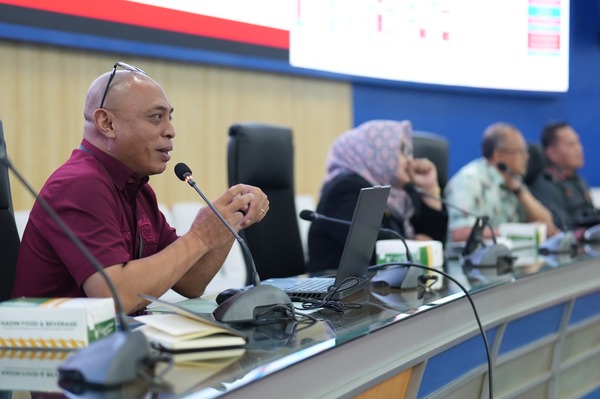
MAKASSAR – Building an Integrity Zone (ZI) in higher education institutions demands real change that goes beyond mere administrative completeness. More than that, the implementation of bureaucratic reform must be reflected in practice through better public service quality, cross-unit synergy, and a strong commitment to an anti-gratification culture.
This was the main focus of Hasanuddin University (Unhas) as it followed up on the evaluation results of the Internal Assessment Team (TPI) ahead of the stage of the National Assessment Team (TPN). Deputy Chair of the Unhas Bureaucratic Reform (RB) Team, Prof. Dr. Andi Kusumawati, highlighted the importance of collaboration among all elements at Unhas to achieve this vision.
According to Prof. Andi Kusumawati, building an Integrity Zone requires full synergy, from the front line of service to the entire academic community.
“From the front line, such as our colleagues in the security unit, we must work together. I hope all of us, from education staff and lecturers to, in particular, the ZI Team, will take part in building the Integrity Zone at Unhas. The emphasis is on service quality, anti-gratification, and supporting the performance achievements of the Rector,” explained Prof. Andi Kusumawati.
In line with this, the Coordinator of the Unhas State University Integrity Zone Assessment Team, Ishaq Rahman, stressed that building the ZI is a continuous process. Ishaq Rahman explained that the 2025 evaluation notes serve as a strategic foundation for making improvements in 2026. Going forward, service improvements will no longer be measured only by the completeness of supporting documents.
“We must start making real changes from today. The goal is that next year we no longer focus only on documents, but that the Integrity Zone in the field actually changes for the better,” Ishaq stressed.
Prof. Amiruddin also emphasized this improvement in governance. Based on the review and evaluation of work units, Prof. Amiruddin reminded every faculty to keep innovating and not to be quickly satisfied with meeting standard achievements.
“Never think of merely reaching the minimum score on each assessment. We must set our mindset on achieving the maximum score on every assessment point,” Prof. Amiruddin said.
Evidence of the commitment to improving the ZI at Unhas is beginning to show progressive results. Rahmatullah, S.I., S.IP., reported a significant improvement in the readiness of work units. In the previous period, only 12 of the 17 proposed work units met the requirements to be reviewed. This year, all 17 submitted work units met the administrative requirements, although only 16 faculties could be put forward.
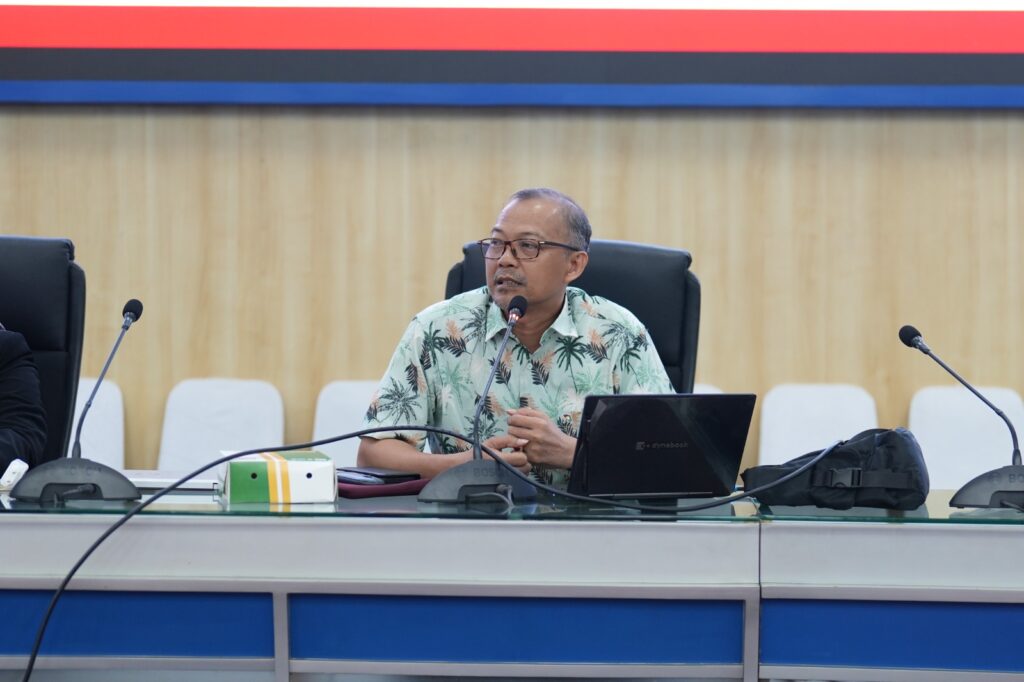
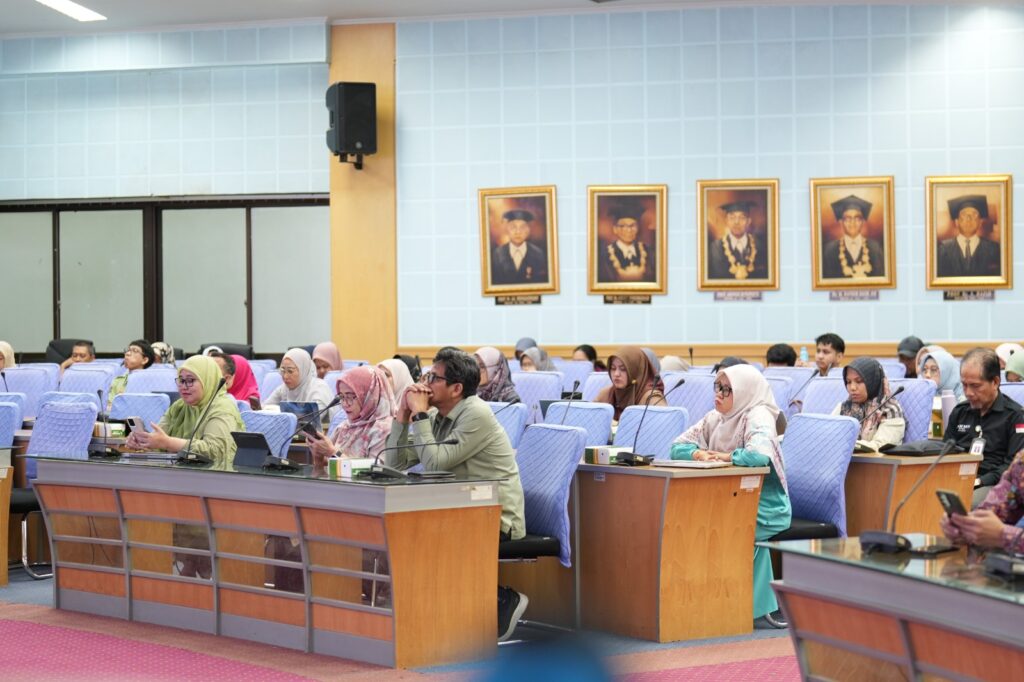
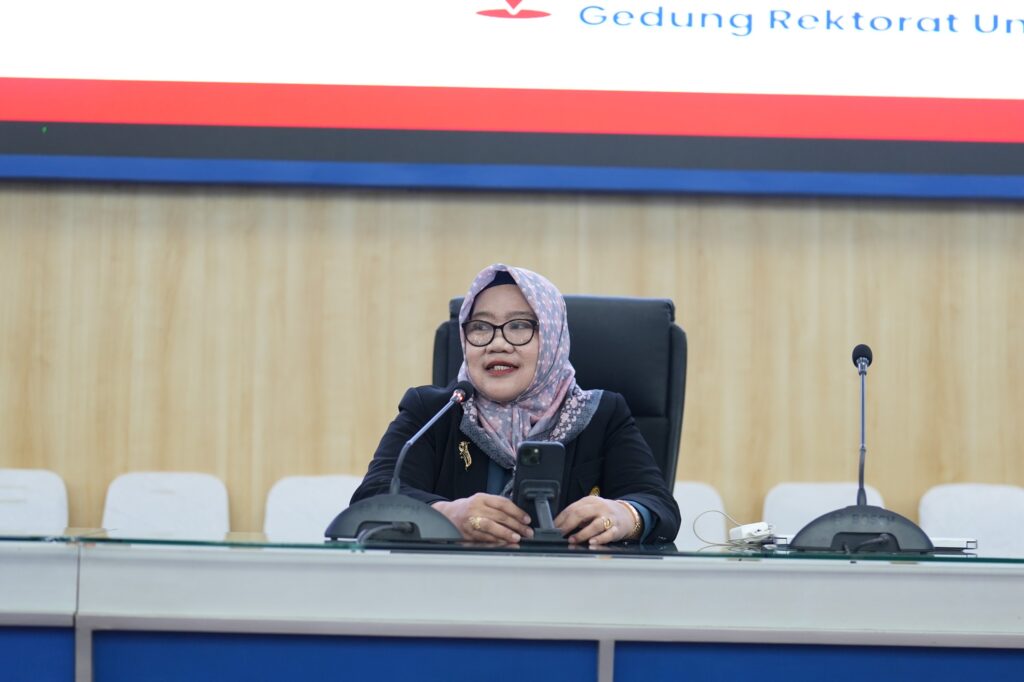
All of these strategic presentations were delivered at the Zone of Integrity Strengthening Workshop, attended in person by the ZI Team and the RB Team at both the university and work-unit levels. The event was held in the Senate Room, 2nd Floor of the Unhas Rectorate Building, on Tuesday (19 May)
Through this agenda of continuous strengthening and evaluation, Unhas reaffirmed its commitment to accelerating clean, accountable, and service-oriented university governance in order to earn the titles of Corruption-Free Area (WBK) and Clean and Serving Bureaucracy Area (WBBM). (*/san)
Editor: Ishaq Rahman
This article is an English translation of the original Indonesian report.