
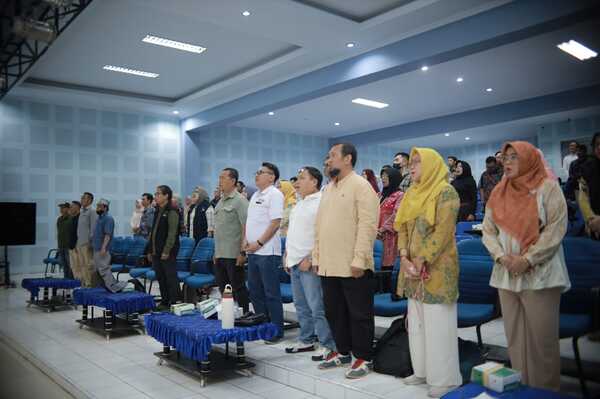
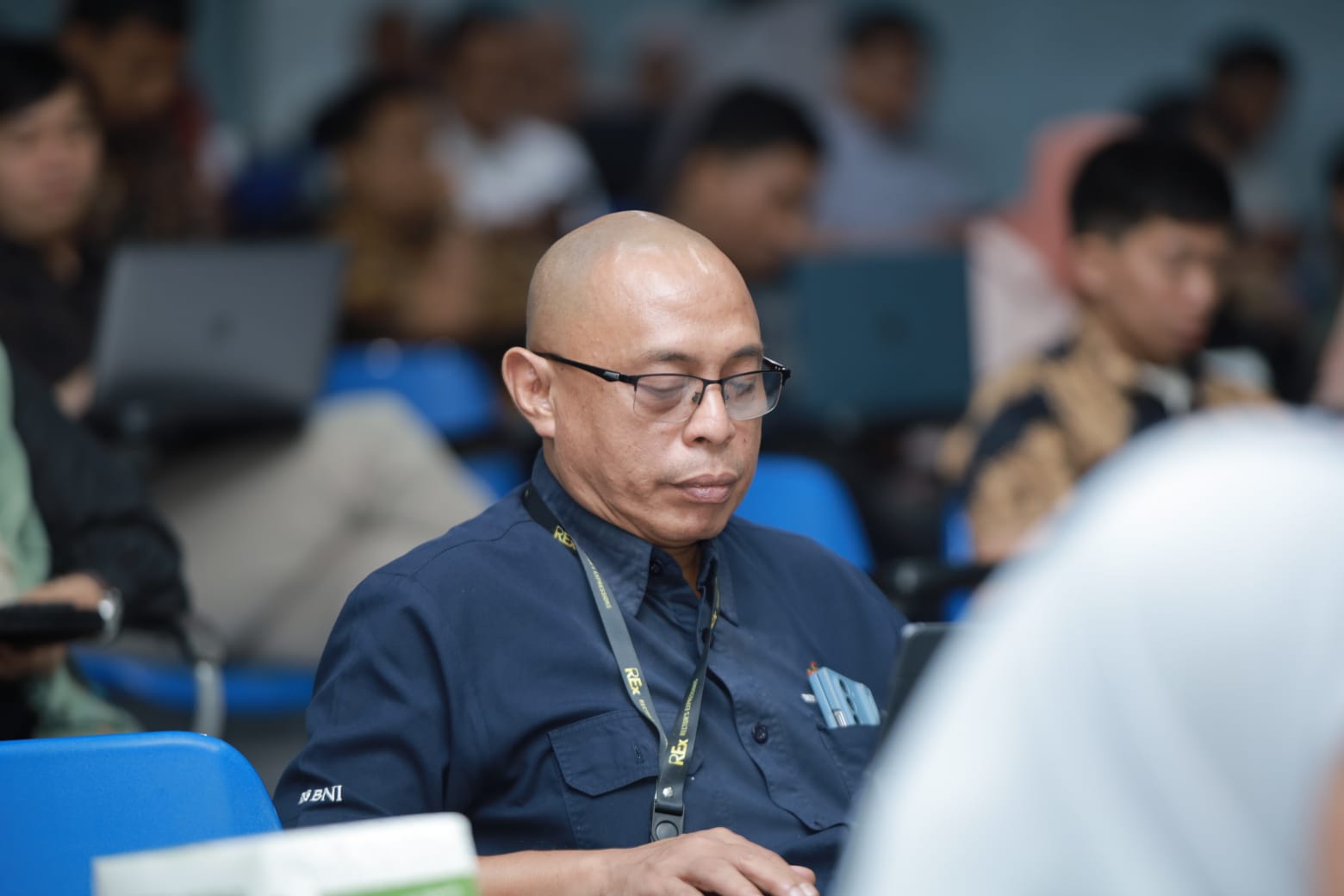
A total of 230 prospective Activity Supervising Lecturers (DPK) took part in the Training of Trainers (TOT) for the Hasanuddin University (Unhas) Community Service Program (KKN) 2026, organized by Hasanuddin University through the Directorate of Education Transformation and Learning Innovation (Transdiva), Subdirectorate of Community Service-Based Education, on Thursday (7 April 2026) at the Prof. Mattulada Hall, Faculty of Cultural Sciences, Unhas.
The event was an important step in preparing for the implementation of KKN Wave 116 in 2026, in which supervising lecturers will serve as the main guides for students in the field.
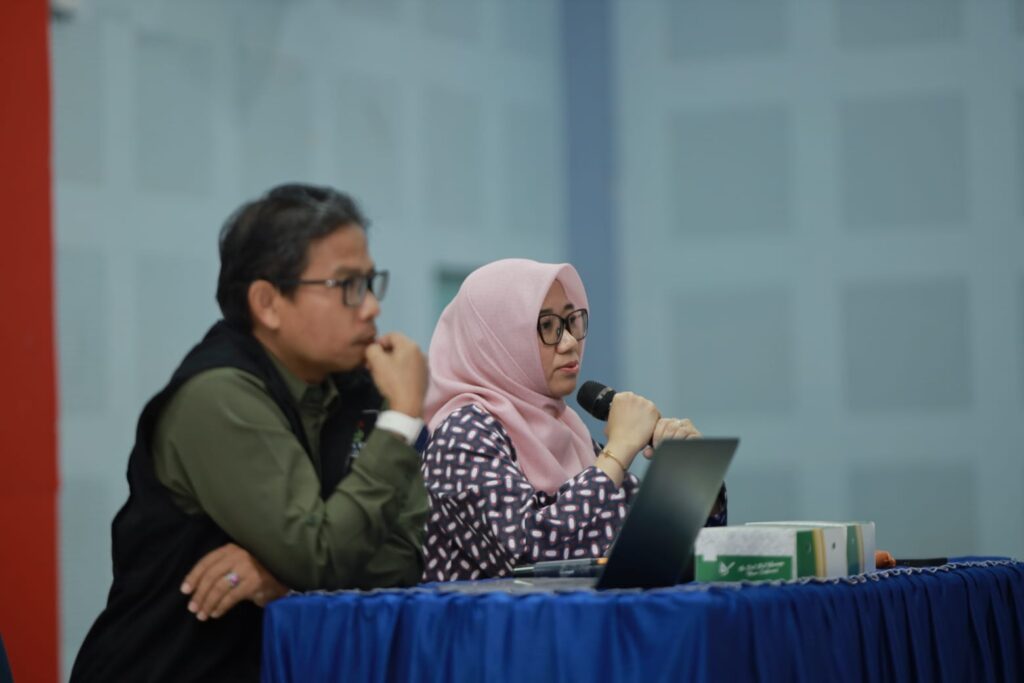
Director of Transdiva Unhas, Sahriyanti Saad, Ph.D, expressed appreciation in remarks for the high participation in this year’s TOT.
“This year, a great many people attended the TOT. Last year, far fewer attended because many asked for leave. This is encouraging and a sign of an increasingly strong commitment,” said Sahrianti.
Sahrianti explained that the TOT aims to align the perceptions of prospective DPK regarding the implementation of KKN, as well as to provide an understanding of the latest KKN policies at Unhas.
According to Sahrianti, a shared understanding is an important factor so that KKN can be carried out in a more focused way and have a real impact on communities.
Meanwhile, the Head of the Subdirectorate of Community Service-Based Education, Syarifuddin Mabe Parenreng, explained various strategic policies of KKN Unhas 2026.
Syarifuddin Mabe Parenreng stressed that KKN is a compulsory course that students must take, with a weight of 4 credits (SKS). However, Syarifuddin Mabe Parenreng said, there have been significant changes in how KKN is carried out compared with previous years.
“In the past, students were placed directly at KKN locations. Now students first choose a KKN theme, and are then placed in areas that need that theme. So, KKN Unhas is based on the needs of communities or the needs of partners,” Syarifuddin Mabe Parenreng explained.
This approach is considered to make the KKN program more relevant, measurable, and directly impactful on the problems faced by communities.
In 2026, Unhas set eight main themes for thematic KKN, namely Tourism Villages, Public Information Disclosure, Zero Waste, Circular Economy, Village Digitalization, Health, Law, Appropriate Technology, and Waste Management. These themes are designed to address community development challenges while supporting an agenda of social transformation based on science and community service.
The prospective DPK for KKN Wave 116 in 2026 will play an important part in ensuring the smooth, effective, and successful implementation of KKN Unhas in various regions.(*/ir)
Editor: Ishaq Rahman

This article is an English translation of the original Indonesian report.