
MAKASSAR – Hasanuddin University (Unhas) has once again broadened its approach to selecting prospective new students by making leadership, achievements, and personal potential an important part of the admissions process.
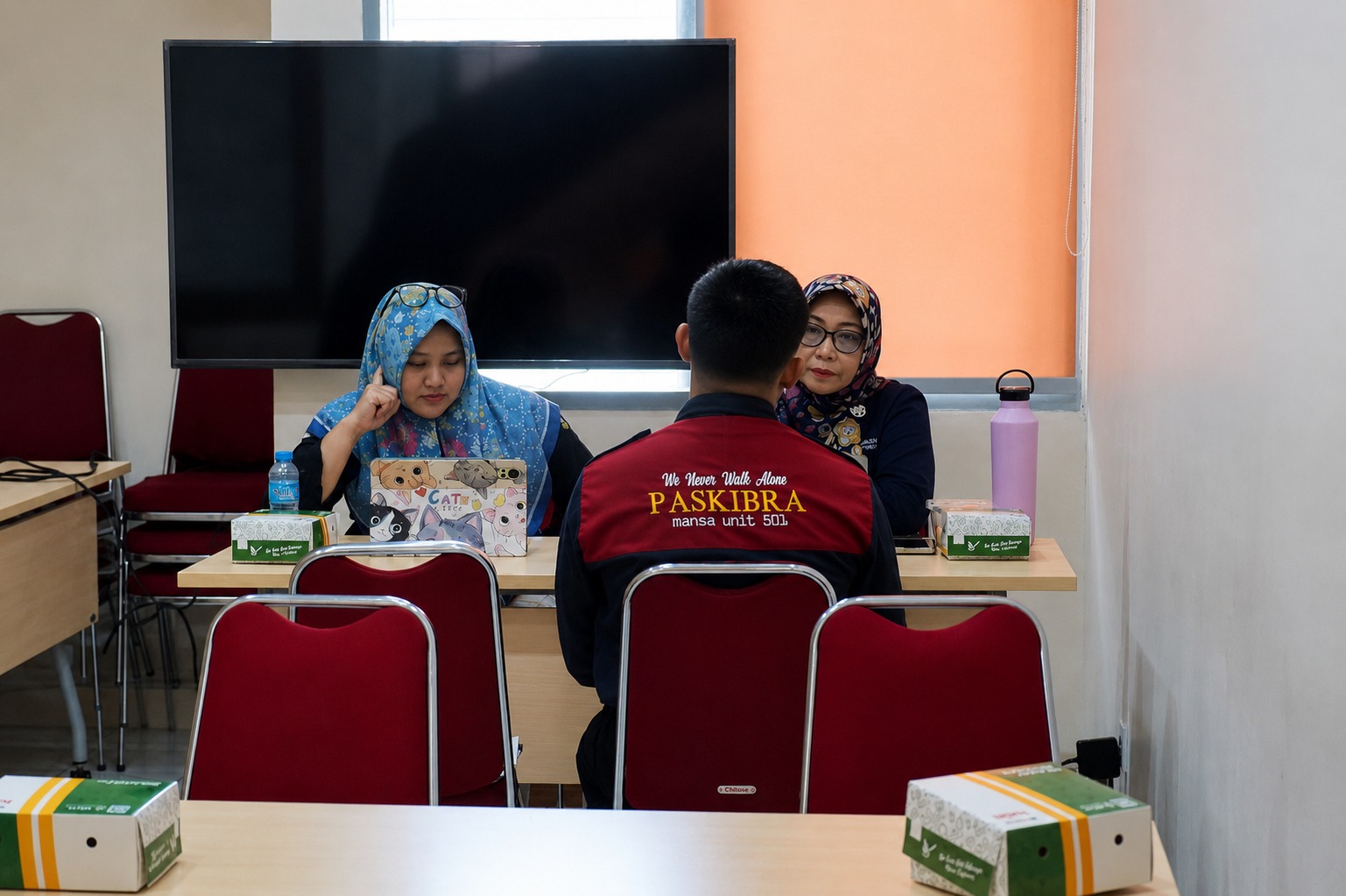
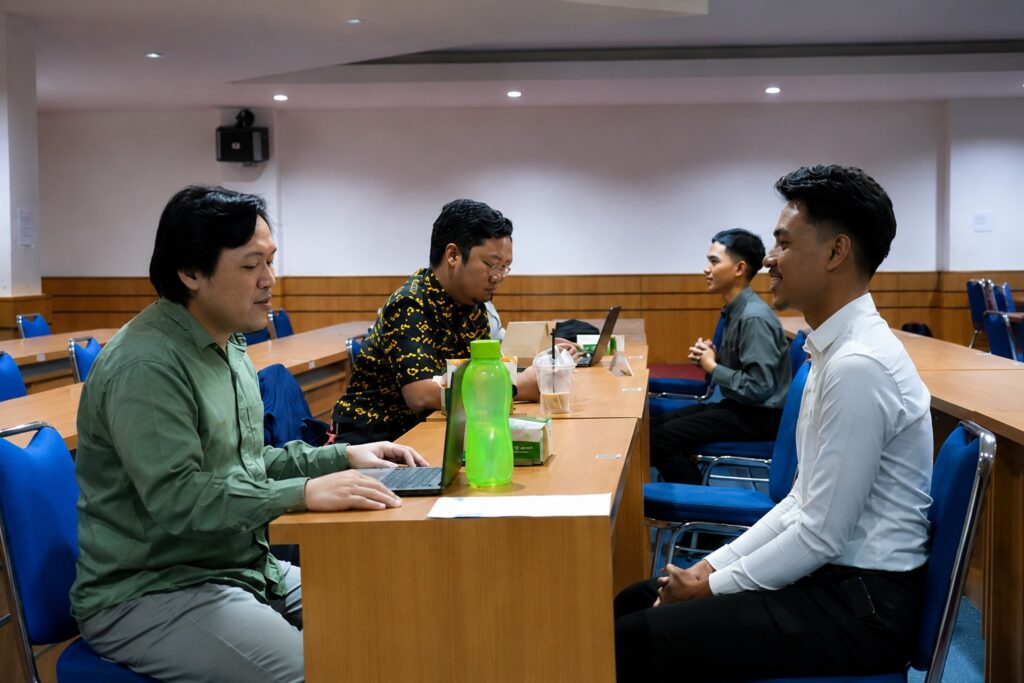
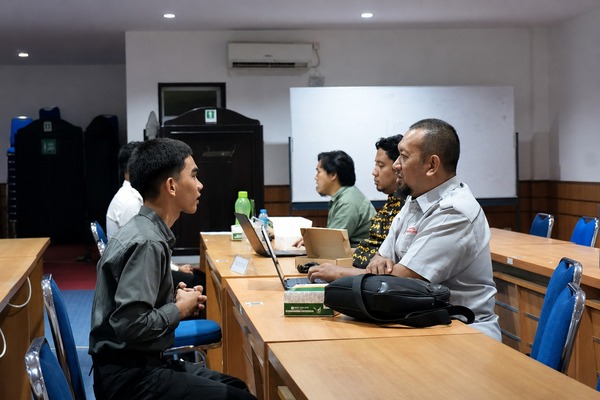
This commitment was put into practice through interviews for the Independent Admission (Mandiri) Leadership Talent Development Program for Student Council (OSIS) Chairs and the Sports, Arts, and Science Achievement (POSK) Track, held on Wednesday (11 June).
Head of the Unhas New Student Admissions (PMB) Subdirectorate, Nurul Ichsani, explained that the interview stage is a space for reading dimensions that are not always reflected in academic grades.
“We held and completed this in one day, at the same time but in different locations. Through the interviews, we want to look more closely at the participants’ capacity and track record in line with the character of each selection track,” Nurul explained.
The interview stage was attended by 194 participants and 81 interviewing lecturers, consisting of:
Student Council Chair Track:
- Interview location: LPMPP Hall, Unhas Campus
- Undergraduate (S1) Program participants: 60,
- Applied Bachelor’s (D4) Program participants: 2.
- Interviewing lecturers: 27
POSK Track
- Interview location: Dental Center, Unhas Hospital.
- Undergraduate (S1) Program participants: 129,
- Applied Bachelor’s (D4) Program participants: 3.
- Interviewing lecturers: 54.
The Student Council Chair Track is intended for graduates of senior high school/vocational high school/Islamic senior high school or equivalent who have an NISN and NPSN, come from schools with an A accreditation, and meet the special requirement of having served as Student Council Chair for one term. Participants must also have a record of academic or non-academic achievements, evidenced by certificates or awards.
Meanwhile, the POSK Track gives prospective students with a record of achievement in sports, arts, science, or tahfidz (Qur’an memorization) the opportunity to gain access to higher education through a talent-based selection mechanism.
In the tahfidz category alone, which had 57 participants, Unhas applies a multi-layered selection mechanism to ensure that participants’ competence matches the achievements they reported. The first stage is a test of Qur’an memorization by examining ustaz (Islamic teachers), followed by an interview by a faculty team to assess academic readiness, motivation to learn, and potential for self-development.
This selection process is part of an effort to provide an admissions system that accommodates participants’ diverse potential and achievements. The assessment considers not only academic results but also the experience, achievements, and personal capacity built during their time in school.
Through the interview stage, participants have the opportunity to showcase their track record, motivation, and the potential they will develop while studying at Hasanuddin University. (*/dhs)
Editor : Ishaq Rahman
This article is an English translation of the original Indonesian report.