
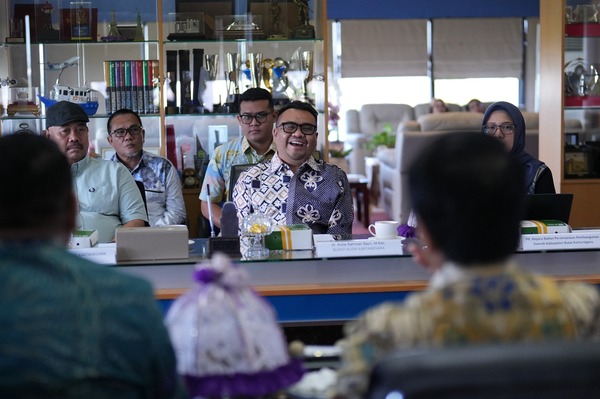
Strengthening cooperation between universities and regional governments is a strategic step in accelerating sustainable development. This collaboration is oriented not only toward program development, but also toward producing concrete solutions that answer real needs in various priority sectors.
Within this framework, Hasanuddin University (Unhas) stresses the importance of drawing up a structured and implementable framework, which is expected to become a jointly agreed guide.
In this way, every program can be carried out systematically and in stages according to the set targets, and can be translated into real action with direct impact.
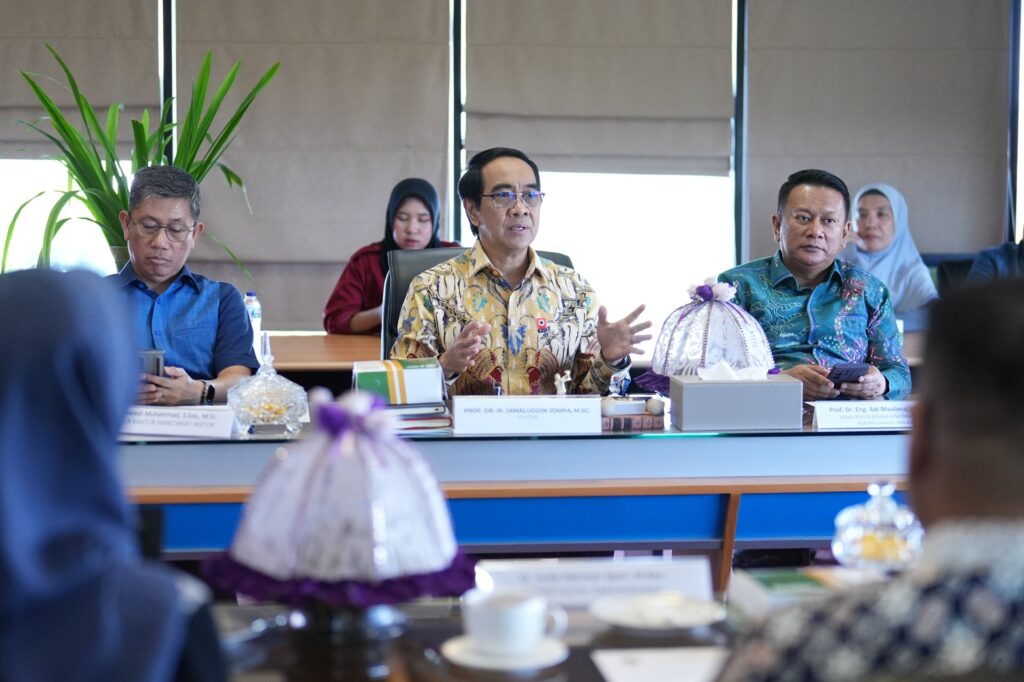
Rector Prof. Dr. Ir. Jamaluddin Jompa, M.Sc., said that the commitment of the regional government is important capital for accelerating the realization of the various work plans carried out with the university. This synergy is expected not to stop at the conceptual level, but to continue into consistent and sustainable implementation.
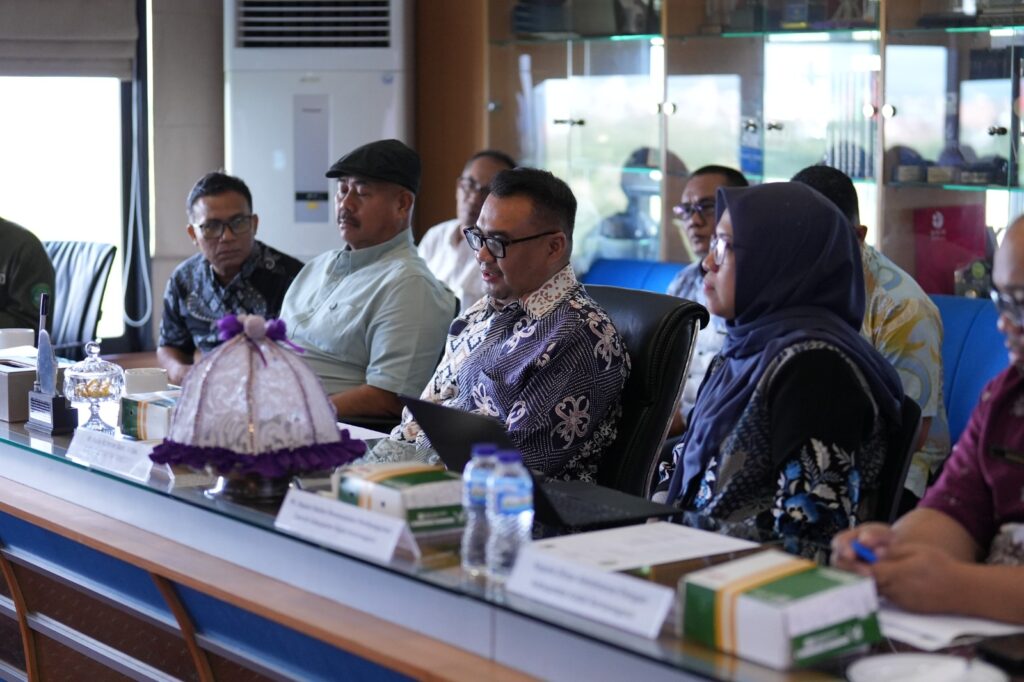
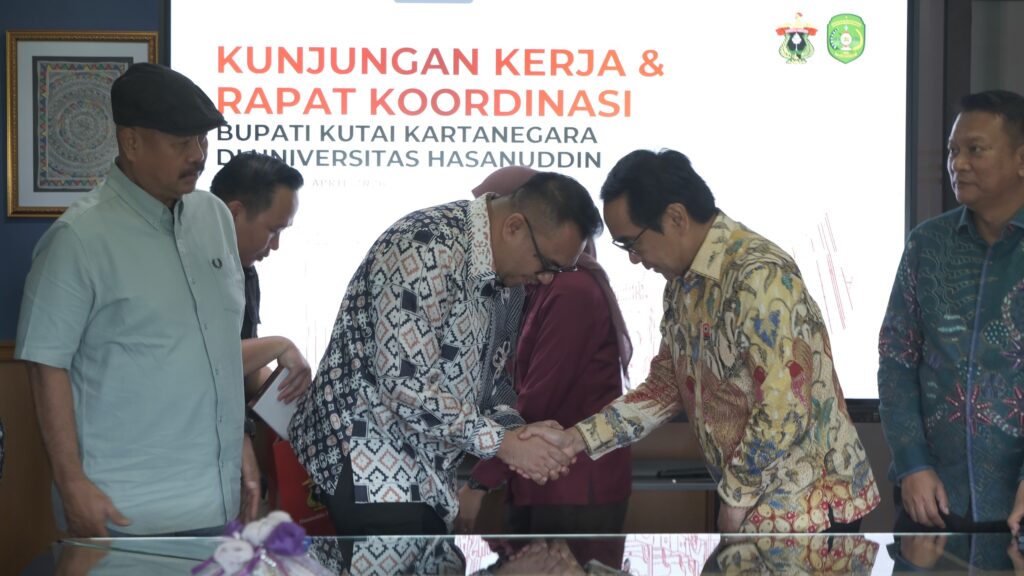
Prof. JJ stressed this when receiving a visit from dr. Aulia Rahman Basri, M.Kes., Regent of Kutai Kartanegara, and delegation on Tuesday (14 April). The meeting is part of the real-world implementation of a previously signed memorandum of understanding, followed up through technical discussions on developing priority sectors with an integrated approach based on regional needs.
According to Prof. JJ, a collaborative approach is key to supporting the implementation of the planned work programs. Prof. JJ stressed that none of the work plans will run in a piecemeal way; instead, they will involve various industry partners as part of a collaborative ecosystem.
“For example, in developing the fisheries sector, the use of aquaculture ponds is directed not only at increasing production, but also as a space for human resource development and relevant technological innovation. There are still many sectors in which we can collaborate, and we hope they can be realized soon,” explained Prof. JJ.
On the regional government’s side, Aulia Rahman explained the direction of development policy in the region under the “Kukar Idaman Terbaik” program. The program focuses on economic transformation toward more sustainable renewable sectors. Aulia Rahman hopes that Unhas can take a role in supporting this work program.
Aulia Rahman also stressed the importance of preparing human resources as the main driver of development. Through the roadmap that has been drawn up, various strategic sectors are expected to develop continuously with the support of collaboration with Unhas.
“In implementation, we will maintain intensive communication with the faculties to discuss together what can be done. The regional government is fully committed to safeguarding the synergy with Unhas consistently,” explained Aulia Rahman.
From this visit, both sides focused their discussion on several work programs that will soon be implemented jointly. The implementation of these programs is designed to be targeted and based on regional needs, and is expected to deliver real and lasting impact for the wider community. (*/mir)
Editor: Ishaq Rahman
This article is an English translation of the original Indonesian report.