
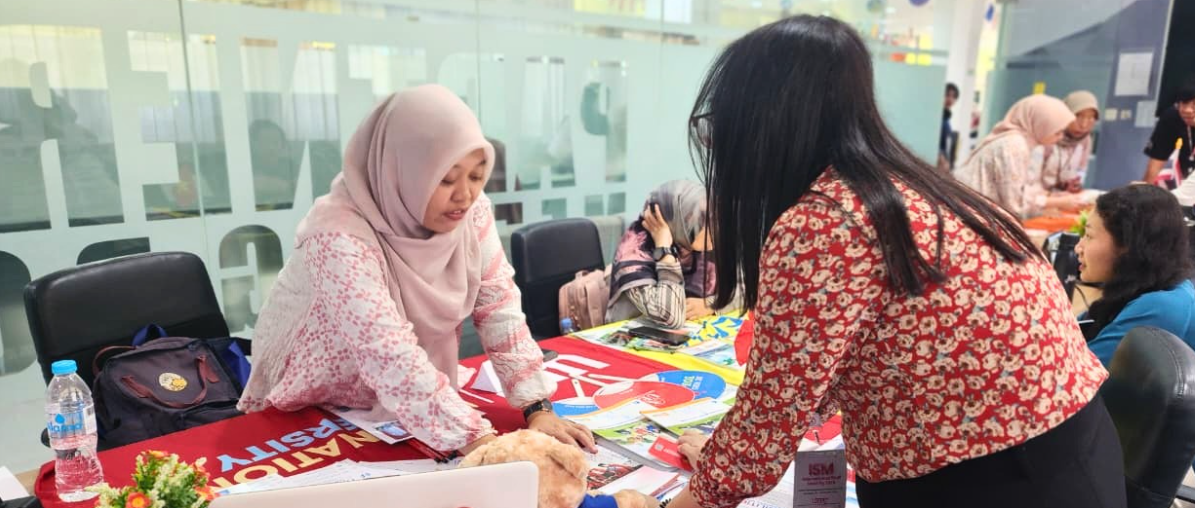
Hasanuddin University (UNHAS) participated in the Institutional Internationalization Training (Pelatihan Internasionalisasi Institusi/PII) 2026, organized by Institut Teknologi Sepuluh Nopember (ITS) from 7 to 9 October 2026 at the ITS Sukolilo Campus in Surabaya.
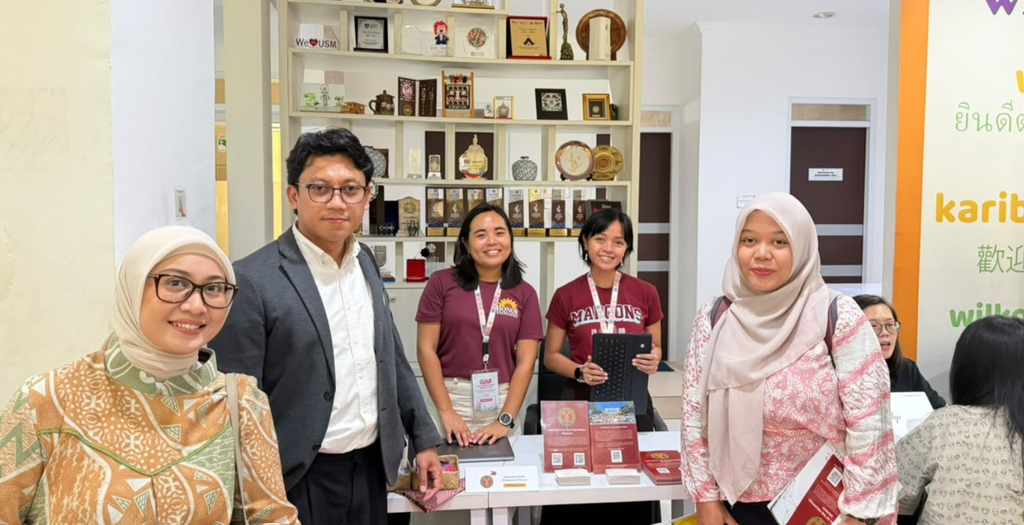
Beyond strengthening institutional capacity in internationalization management, UNHAS placed particular emphasis on the International Partnership Session, which brought together representatives from 14 international higher education institutions across Asia and Europe. The session provided a valuable platform for exploring potential academic collaborations, particularly inbound and outbound student mobility, short-term academic programs, and other opportunities for international engagement.
The participating institutions included the Asian Institute of Technology (AIT), Suranaree University of Technology (SUT), and King Mongkut’s University of Technology Thonburi (KMUTT) from Thailand; Higher School of Economics (HSE) in Saint Petersburg, Russia; Dong Nai Technology University (DNTU), Ho Chi Minh City University of Technology (HUTECH), and University of Economics and Finance (UEF) from Vietnam; Universiti Malaya from Malaysia; and Singapore Institute of Technology (SIT) from Singapore. Other participating institutions included Agusan del Sur State University (ADSSU), Urdaneta City University, De La Salle University (DLSU), and University of the Philippines Diliman from the Philippines, as well as J. F. Oberlin University from Japan.
The UNHAS delegation comprised Dr. Jamaluddin Fitrah Alam, Naila Syahirah Irwansyah, M.Sc., and Febriana Intan Permata Sari, M.Sc., representing the Directorate of Internationalization. The Directorate of Strategic Partnership was represented by Muhammad Junaid, S.P., M.P., Ph.D., and Arafah, S.IP.
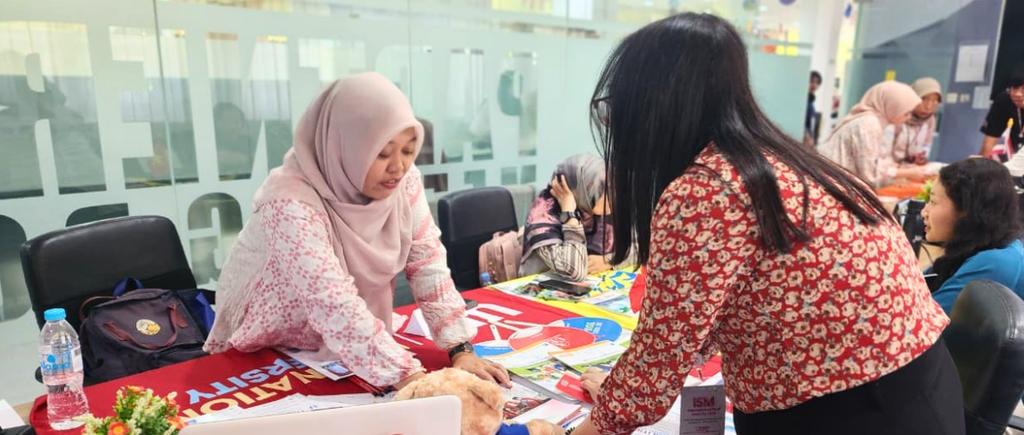
Through the partnership session, the UNHAS delegation sought to identify prospective institutional partners and explore opportunities to expand international academic experiences for students from both UNHAS and partner universities. The participation of both directorates also reflected a coordinated approach to aligning international partnership development with academic mobility initiatives.
Particular attention was given to developing reciprocal mobility opportunities, including inbound programs that welcome international students to UNHAS and outbound programs that enable UNHAS students to gain academic and intercultural experiences abroad. Potential areas of collaboration included student exchanges, international summer courses, short-term academic visits, and joint educational activities.
In addition to the partnership session, PII 2026 provided insights into institutional internationalization strategies, international partnership management, mobility program development, and administrative practices adopted by ITS. These experiences offered valuable references for strengthening UNHAS’s internationalization programs and institutional support systems.
Participation in PII 2026 reflects UNHAS’s commitment to translating international networking into meaningful academic collaboration. Moving forward, the Directorate of Internationalization and Directorate of Strategic Partnership aim to follow up on prospective collaborations, particularly those that can expand accessible, sustainable, and mutually beneficial inbound and outbound mobility opportunities for the UNHAS academic community.
Through these efforts, UNHAS continues to strengthen its global engagement while broadening opportunities for students and academic staff to participate in international learning, cultural exchange, and collaborative academic activities.