

MAKASSAR – A court ruling may arrive on sheets of paper, but its impact reaches the lives of people seeking justice. For that reason, judicial independence alone is not enough. Integrity and ethical accountability must also be upheld so that the public trusts the judicial process.
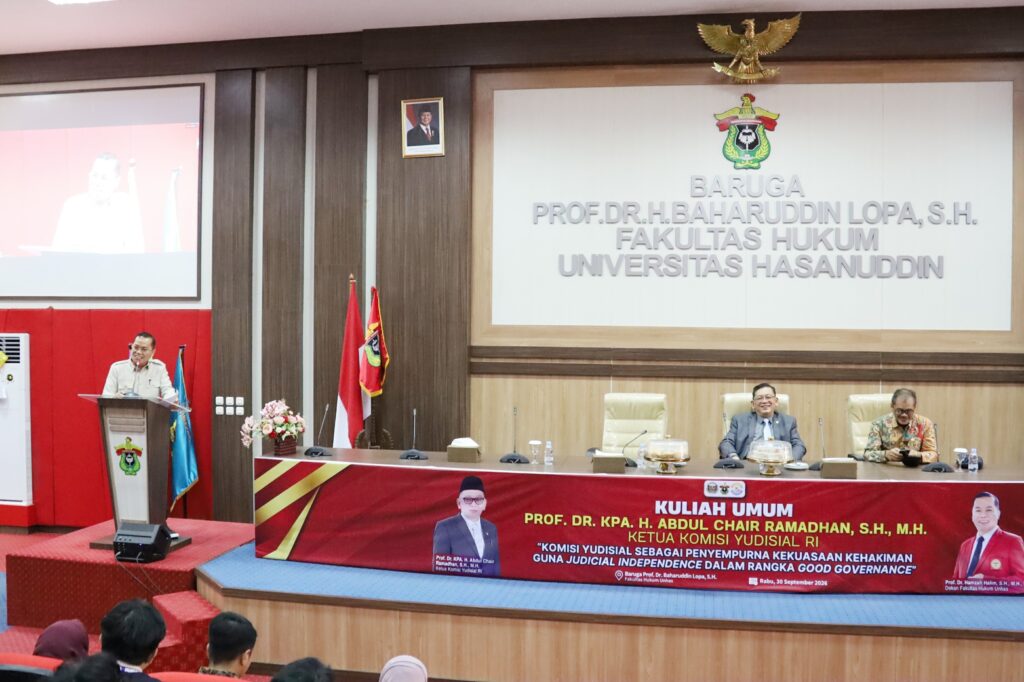
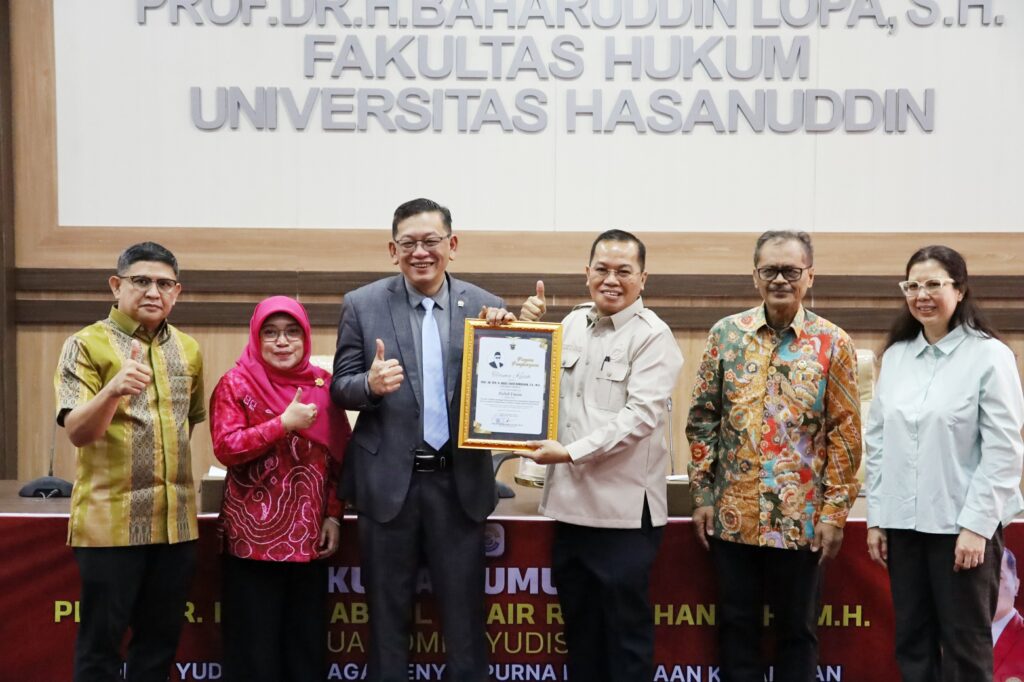
This thinking emerged at a Public Lecture by the Faculty of Law, Hasanuddin University (FH Unhas), delivered by the Chair of the Judicial Commission (KY) of the Republic of Indonesia Prof. Dr. KPA. H. Abdul Chair Ramadhan, S.H., M.H., at Baruga Prof. Dr. Baharuddin Lopa on Wednesday (30 September). The public lecture carried the theme “The Judicial Commission as the Perfecter of Judicial Power for Judicial Independence in the Context of Good Governance.”
The KY is an important part of the constitutional mechanism for safeguarding and perfecting judicial power. The institution should not be seen as standing opposed to the judiciary. Instead, its role helps ensure that judges exercise their authority responsibly, without removing their room to decide cases based on the law and their conscience.
In the lecture, Prof. Abdul Chair Ramadhan underlined an important boundary: KY oversight is directed at judges’ conduct, not at intervening in rulings. Oversight is needed so that independence remains within the corridors of ethics and law, while also protecting the honor and dignity of judges.
Prof. Abdul Chair also highlighted the need to clarify the relationship between the authority of the KY and the Supreme Court, particularly in overseeing judges. To make the oversight function more effective, Prof. Abdul Chair urged a revision of the Judicial Commission Law. Stronger trial monitoring and mechanisms that can reconcile judicial independence with judicial accountability are also needed.
The Dean of FH Unhas, Prof. Dr. Hamzah Halim, S.H., M.H., M.A.P., explained in the opening remarks that the independence of judicial power is the basis of a state governed by law. However, Prof. Hamzah said, that independence does not mean unlimited freedom.
“Independence needs to go hand in hand with integrity, transparency, accountability, and the honor of the judicial profession,” said Prof. Hamzah.
The principles of judicial independence and judicial accountability should not be set against each other. Independence protects judges from intervention, while accountability protects the public from abuse of power. When the two go together, they help build a judiciary that is clean, authoritative, and trusted.
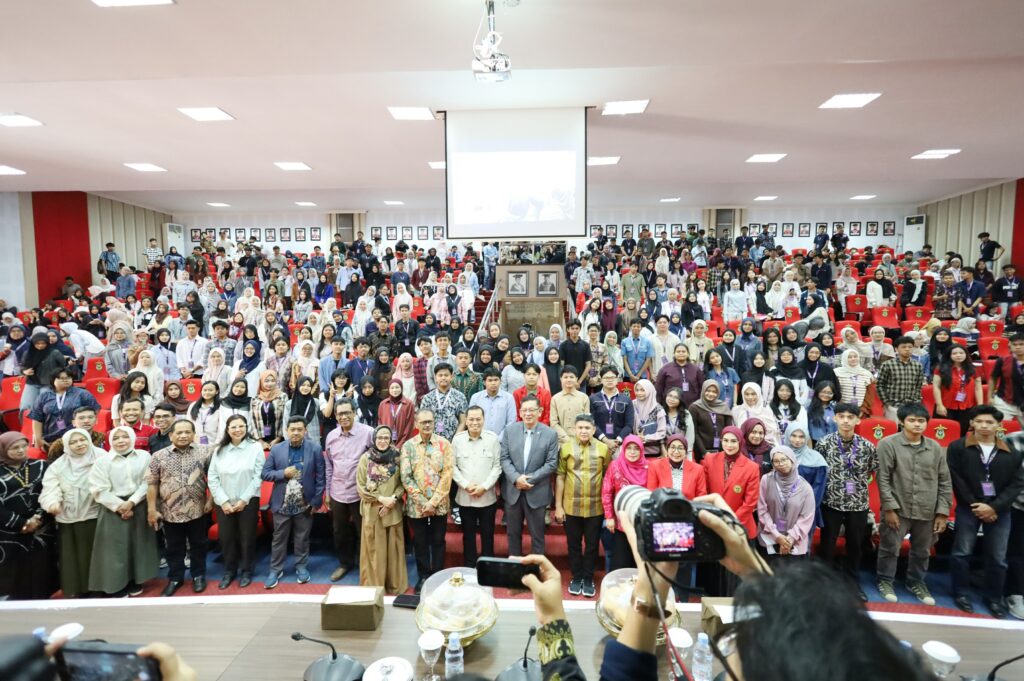
Addressing the students, Prof. Hamzah Halim reminded them that legal education does not stop at the ability to read regulations or construct arguments. The faculty, Prof. Hamzah said, is also tasked with shaping legal professionals who have moral steadfastness and sensitivity to justice.
The public lecture is expected to become a space for dialogue, where students test ideas and understand that public trust is also upheld by the integrity of those who administer the law.(*/fh)
Editor : Ishaq Rahman
This article is an English translation of the original Indonesian report.