
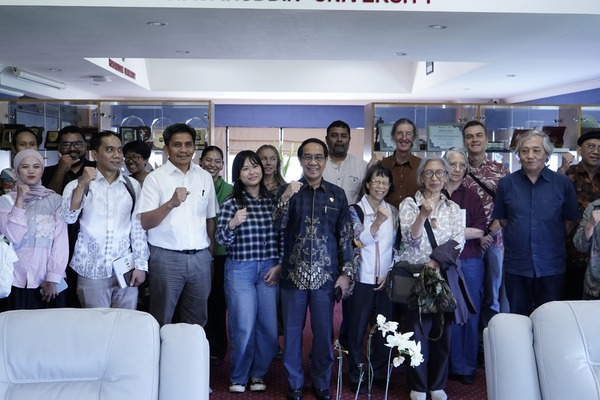
Prof. JJ: “Universities have an important role in providing knowledge that can bridge the needs of environmental conservation and community welfare,”
MAKASSAR- As pressure on forests, coastal areas, and natural resources grows, the big question facing many countries becomes ever more relevant: how can shared resources be kept sustainable while still supporting people’s livelihoods?
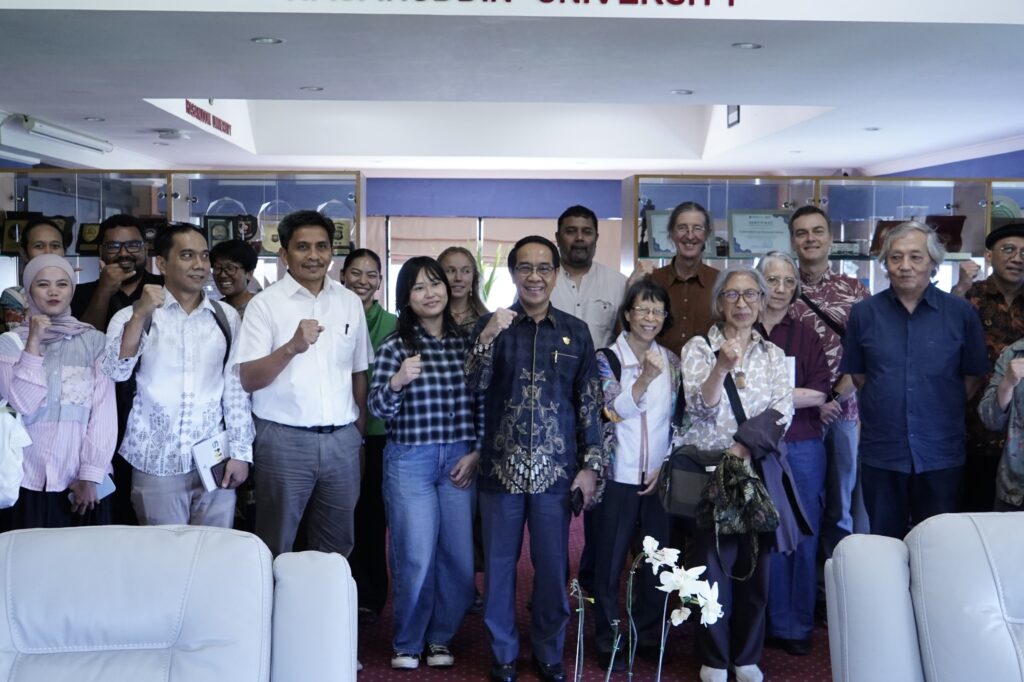
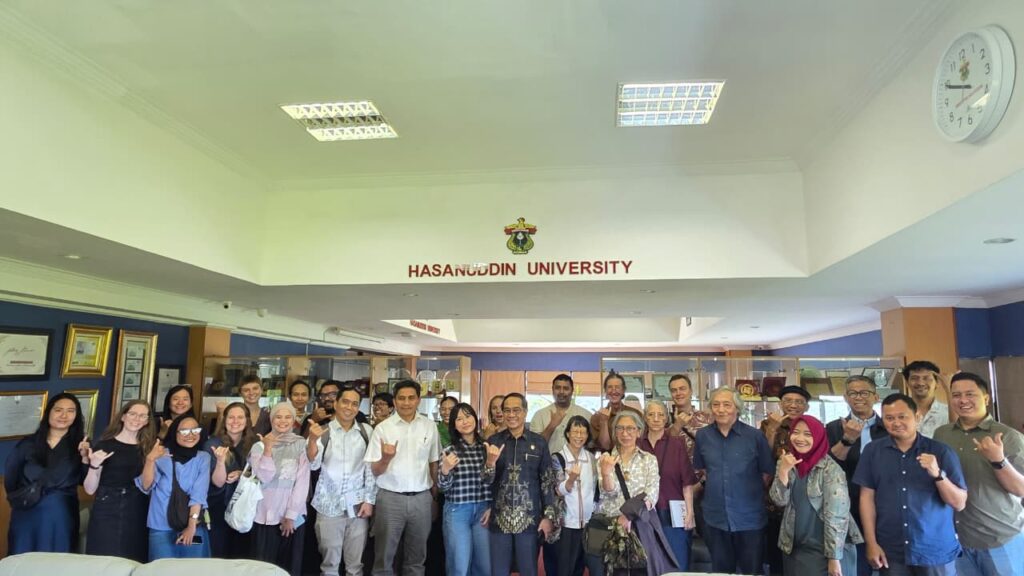
That question was the common thread of a meeting between academics, researchers, and students from various countries, including Australia, the United States, and the Netherlands, and the Rector of Hasanuddin University in the Rector’s Meeting Room on the 8th floor of the Unhas Rectorate Building on Monday (8 June).
The audience was part of a series of activities leading up to the 2027 International Association for the Study of the Commons (IASC) Pre-Conference and the University of Hawai‘i Joint Field School, which will bring together scientists from various disciplines to examine issues in the management of shared resources (the commons).
The delegation came from various institutions, including Hasanuddin University, IPB University, Universitas Gadjah Mada, Universitas Mataram, the University of Hawai‘i, and a number of other partner institutions and organizations. At the meeting, the delegates reported on progress in preparing for the 21st IASC Biennial Conference, planned to take place in South Sulawesi on 21–25 June 2027.
A lecturer at the Unhas Faculty of Forestry, Prof. Dr. Forest. Muhammad Alif K. Sahide, S.Hut., M.Si., who accompanied the delegation, explained that the study of the commons is not only about forests. The concept covers various resources that are used and managed collectively by communities, from mangrove areas and coastal waters to community health and social life.
“That is why this conference does not focus on any single field of science. We bring together different perspectives to understand the relationship between people, the environment, and the resources they manage together,” Prof. Sahide said.
According to Prof. Alif, South Sulawesi is regarded as a strategic location because it holds a diversity of ecosystems as well as community-based resource management practices that have drawn the attention of the international academic community. Besides the scientific conference, participants will also join field activities to observe these practices firsthand.
The Rector of Unhas, Prof. Dr. Ir. Jamaluddin Jompa, M.Sc., welcomed the plan to hold the conference. Prof. Jompa considers the issue of shared resource management increasingly important amid the challenges of climate change, environmental degradation, and the need for sustainable development.
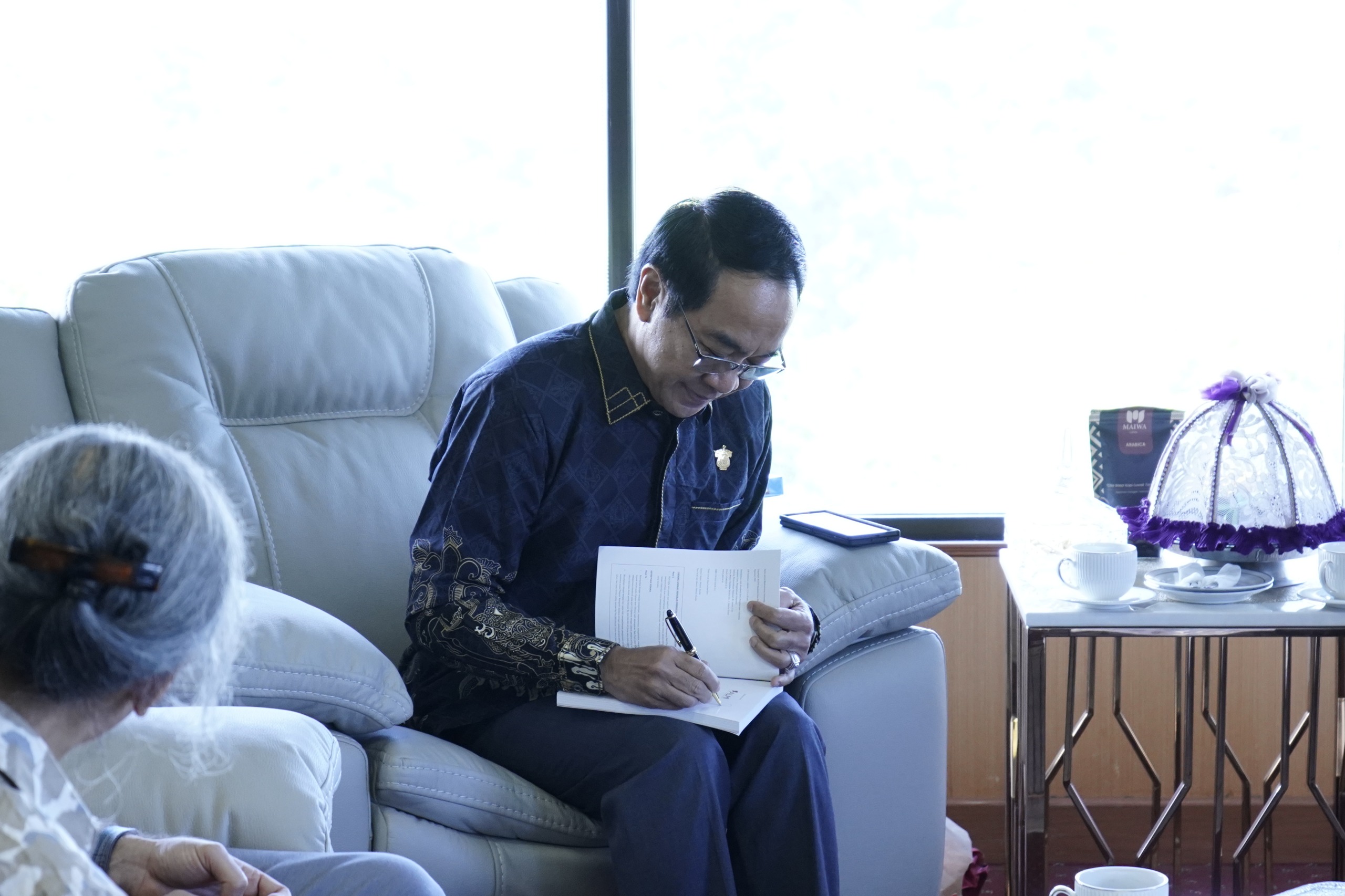
“This theme is very relevant to the many problems communities face today. Universities have an important role in providing knowledge that can bridge the needs of environmental conservation and community welfare,” said Prof. JJ.
Prof. JJ further affirmed Unhas’s commitment to supporting the holding of the conference and to encouraging lecturers and researchers to take part in the various collaboration agendas that will be developed.
For Unhas, IASC 2027 is not only an international academic forum but also an opportunity to introduce South Sulawesi as a global learning laboratory for the management of shared resources. Amid various environmental challenges, collaboration across countries and disciplines is key to delivering sustainable solutions for people and nature.
The IASC Biennial Conference is a conference held every two years by the International Association for the Study of the Commons (IASC), an international association that focuses on the study of governance and management of shared resources (the commons). More information about IASC 2027 is available at https://2027.iasc-commons.org (*/mita-fhut/dhs)
Editor : Ishaq Rahman
This article is an English translation of the original Indonesian report.