
Technical Guidance for Supervising Lecturers of Unhas KKN Wave 116 to strengthen social, economic, and environmental impact and support the achievement of the Sustainable Development Goals (SDGs)
MAKASSAR – Hasanuddin University continues to strengthen the transformation of its Community Service Program (KKN) by reinforcing the role of KKN supervising lecturers (DPK) as the drivers of community service programs that are more innovative, adaptive, and impactful for society. Through KKN Wave 116, Unhas is introducing a range of thematic schemes designed to meet regional needs, foster village innovation, and expand national and international collaboration networks.
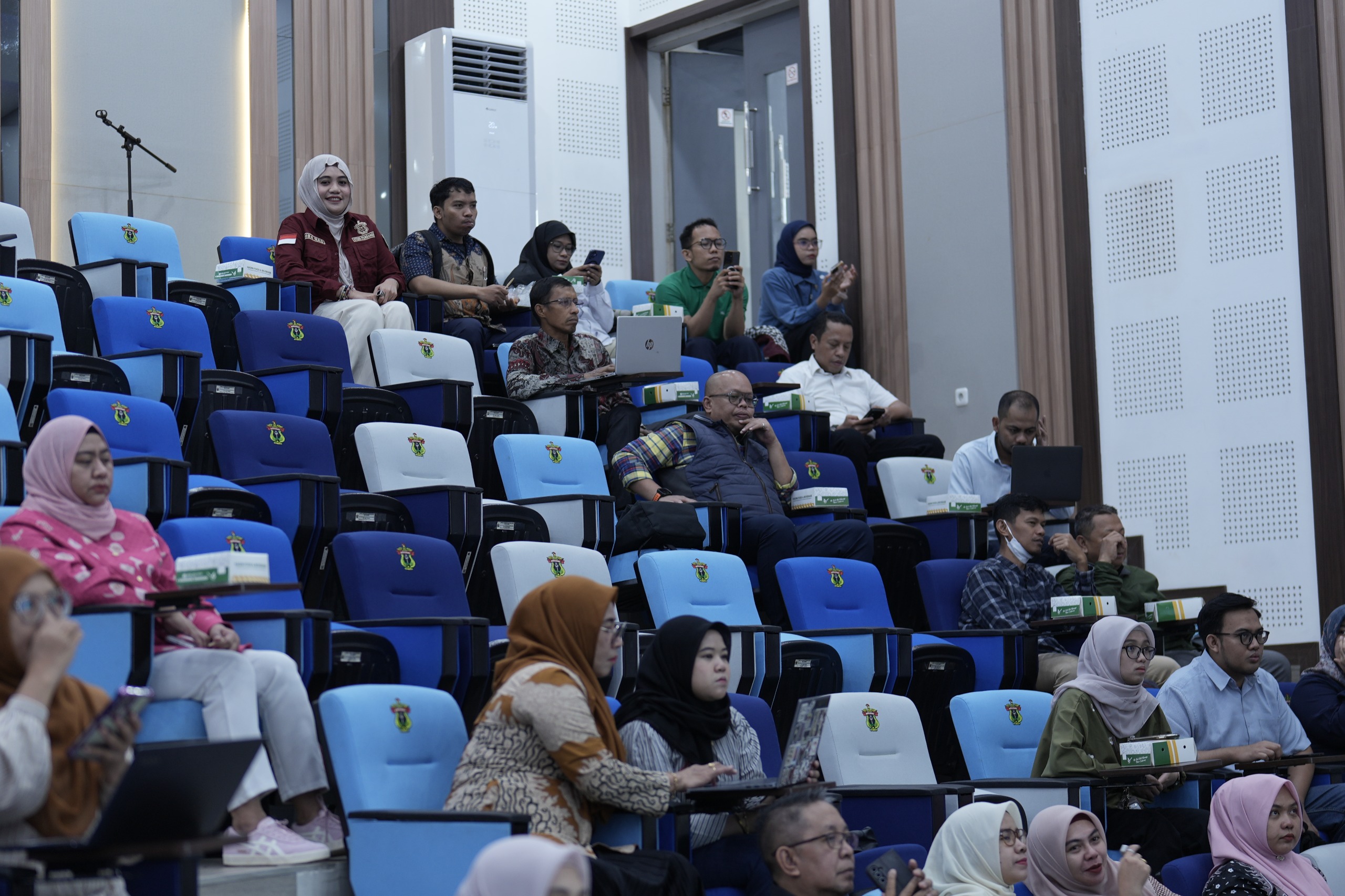
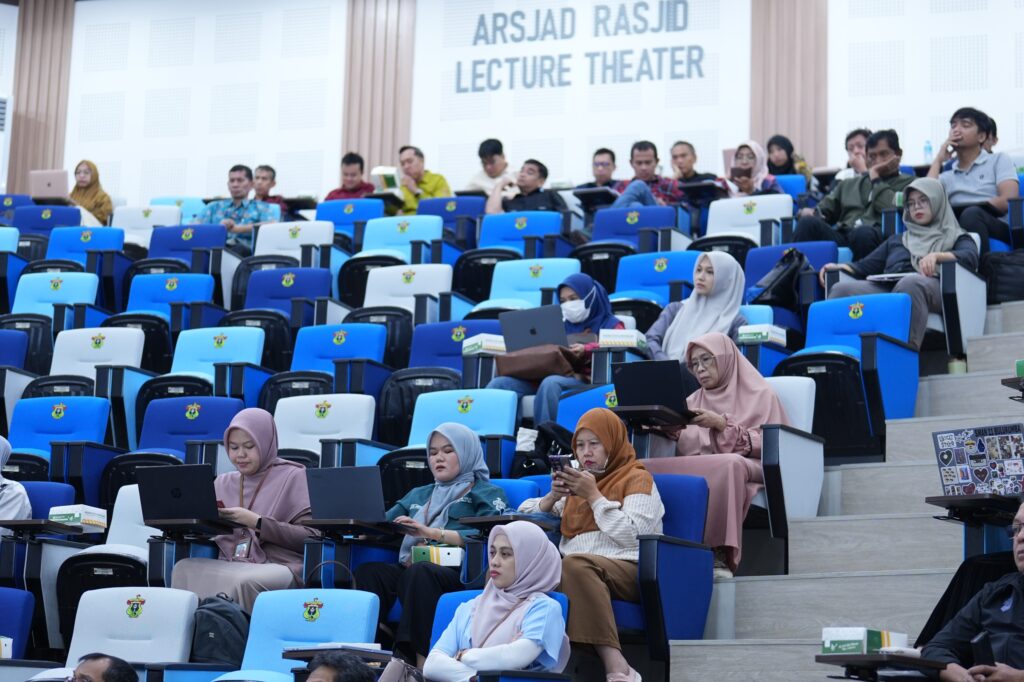
The commitment emerged at the Technical Guidance for KKN Wave 116 Supervising Lecturers, held in the Arsyad Rasjid Room on Thursday (21 May). The event is an important part of preparing supervising lecturers to oversee KKN that is more measurable, collaborative, and relevant to today’s community development challenges.
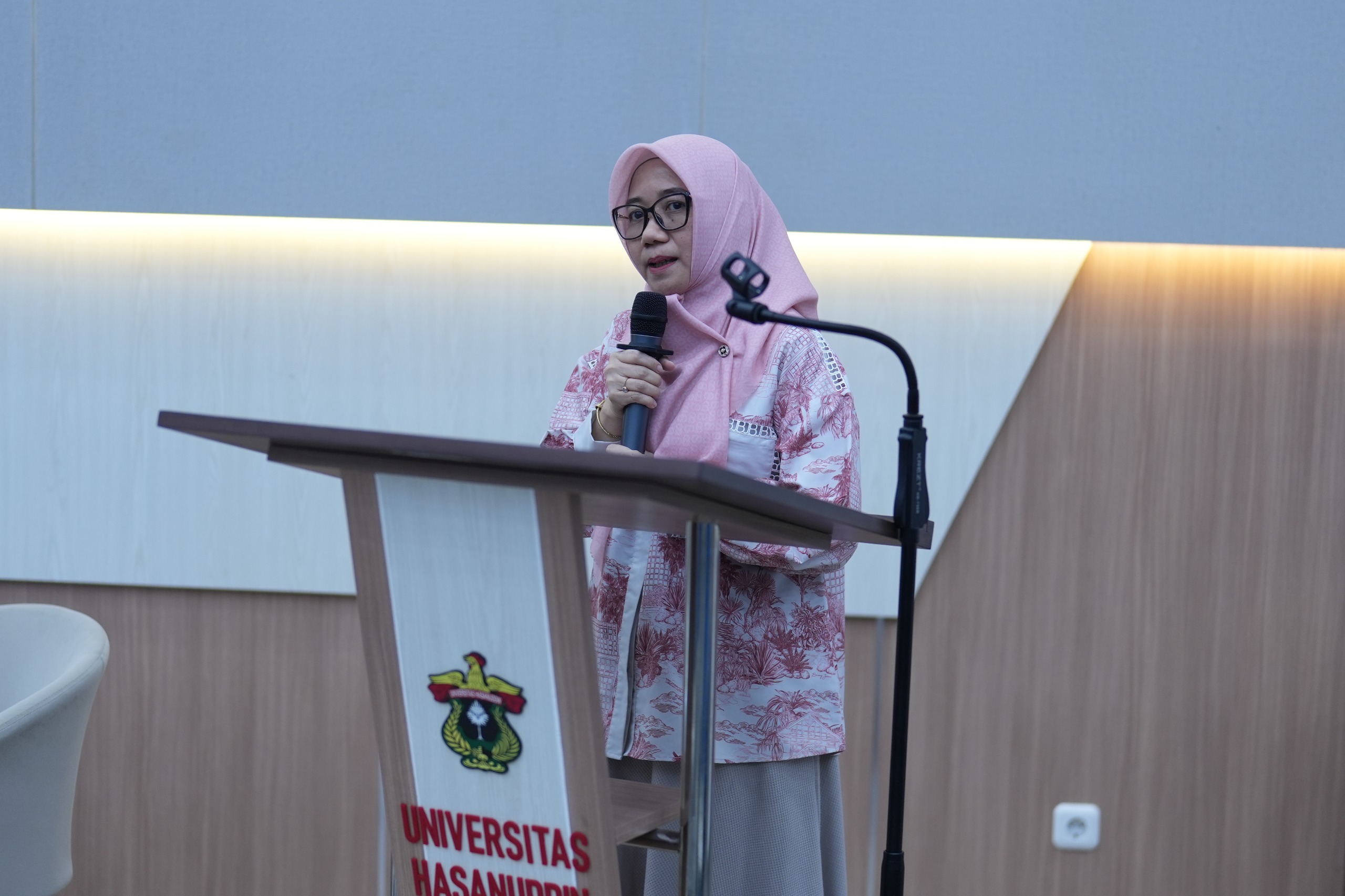
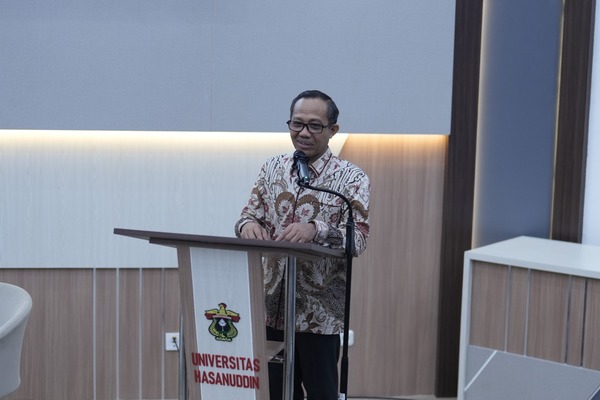
Vice Rector for Academic and Student Affairs, Prof. Dr. drg. Muhammad Ruslin, stressed in the remarks that Unhas KKN continues to transform, no longer merely a routine student service program but evolving into a space that integrates academic learning, research, innovation, and community empowerment.
The KKN transformation is a renewal step away from the conventional pattern toward an approach that is more adaptive, participatory, innovative, and sustainable. KKN is no longer determined entirely from campus but is organized in an agile way based on the real needs of communities and partners in the regions.
Under the new scheme, supervising lecturers and students are encouraged to be both drivers and ambassadors of innovation who can deliver creative solutions to community problems. For this reason, the DPK’s role is seen as increasingly strategic in ensuring KKN programs run in a more focused, relevant way and deliver real impact in the field.
“Unhas KKN already has many themes and approaches that have developed according to community needs. However, we keep making improvements and reinforcements so that KKN becomes more adaptive, innovative, and delivers real impact, for both students and the community,” explained Prof. Ruslin.
Active participation by all stakeholders is also a main foundation of the transformation. Students are given room to choose themes that match their interests and competencies so that the programs they carry out are more relevant, collaborative, and able to meet regional needs directly.
For KKN Wave 116, Unhas is involving 5,330 students, comprising 1,751 men and 3,579 women. They will be accompanied by more than 200 KKN supervising lecturers from various faculties and disciplines at Unhas.
The large number of participants shows Unhas’s commitment to expanding the contribution of the Tri Dharma of higher education through community-based service. The presence of students from across disciplines is expected to deliver more comprehensive solutions to a range of social, economic, health, and environmental problems, as well as the development of village potential.
KKN Wave 116 itself consists of four main schemes: village innovation, institutional collaboration, international networks, and special schemes. The four schemes are designed to strengthen the flexibility of program implementation while opening broader space for collaboration among universities, government, communities, and international partners.
This year, KKN sites are spread across 22 regencies/cities, covering 22 districts and 597 villages/urban wards. Beyond technical briefing, the technical guidance sessions also offered several strategic topics, ranging from KKN transformation and strengthening DPK academic careers to an introduction to the information system and assessment rubrics, and the drafting of work programs and the downstreaming of community service activities.
Through this approach, the placement process and selection of KKN sites become more focused and aligned with the potential and challenges of the target regions. In a spirit of sustainability, Unhas hopes KKN can build long-term collaboration with governments and partner institutions to create service programs that do not merely appear temporarily but leave a real and lasting impact on society. (*/mir)
Editor: Ishaq Rahman
This article is an English translation of the original Indonesian report.