
The partnership between Hasanuddin University and Stanford University has lasted more than ten years. Its high point was the inauguration of the Stanford–Unhas Alliance for Planetary Health Research in Asia Pacific in Makassar on 11 November 2025, at the Unhas Campus in Tamalanrea.
This partnership carries important significance for strengthening public health services through technology transfer, joint research, and the development of health human resources. The collaboration can accelerate telemedicine innovation, strengthen services in Eastern Indonesia, and increase capacity to face global health threats.
Unhas brings local understanding and community access, while Stanford provides research strength and medical technology. The cooperation also strengthens Indonesia’s health diplomacy and encourages inclusive, community-based, and sustainable health solutions for society.
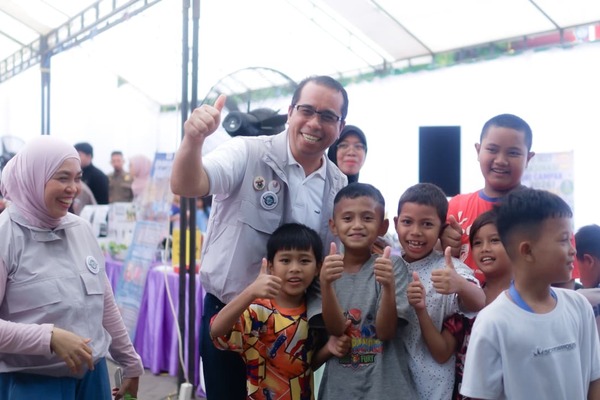
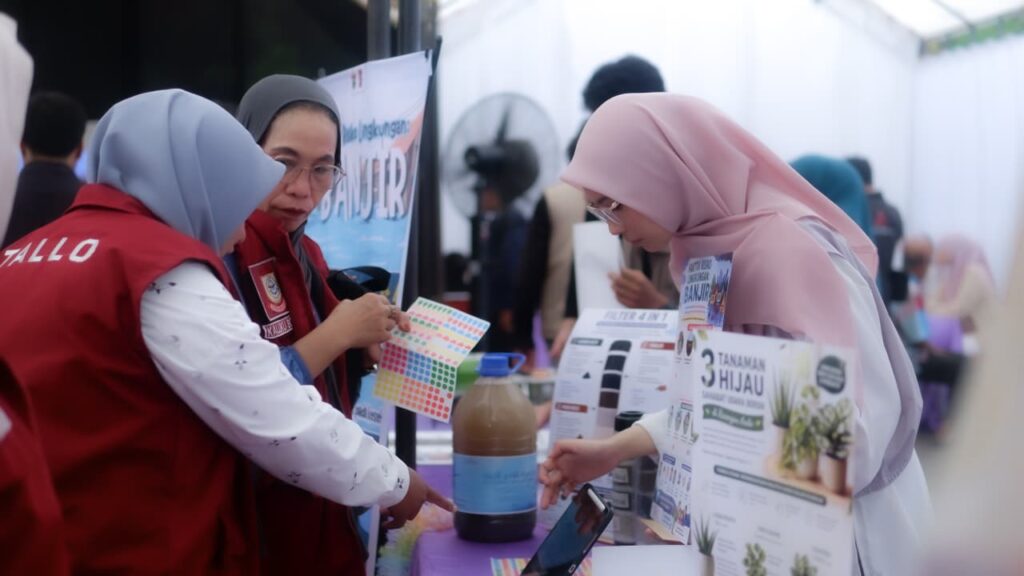
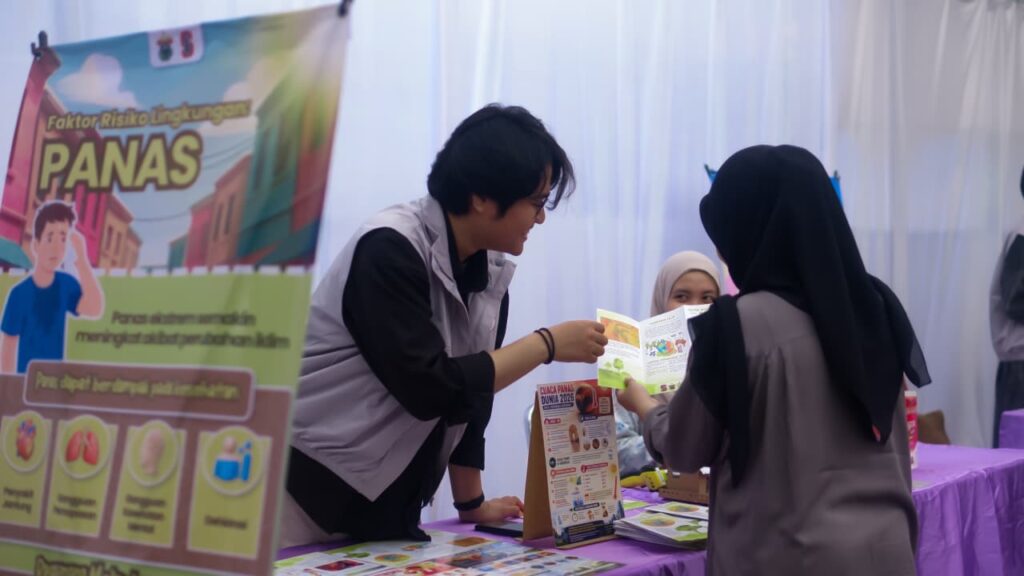
As one implementation of the partnership, the Stanford Unhas Alliance held an Environmental Health Exhibition together with free health checkups at the SD Inpres Galangan Kapal I, II, III, and IV school building in Tallo District, on Saturday, 10 May 2026.
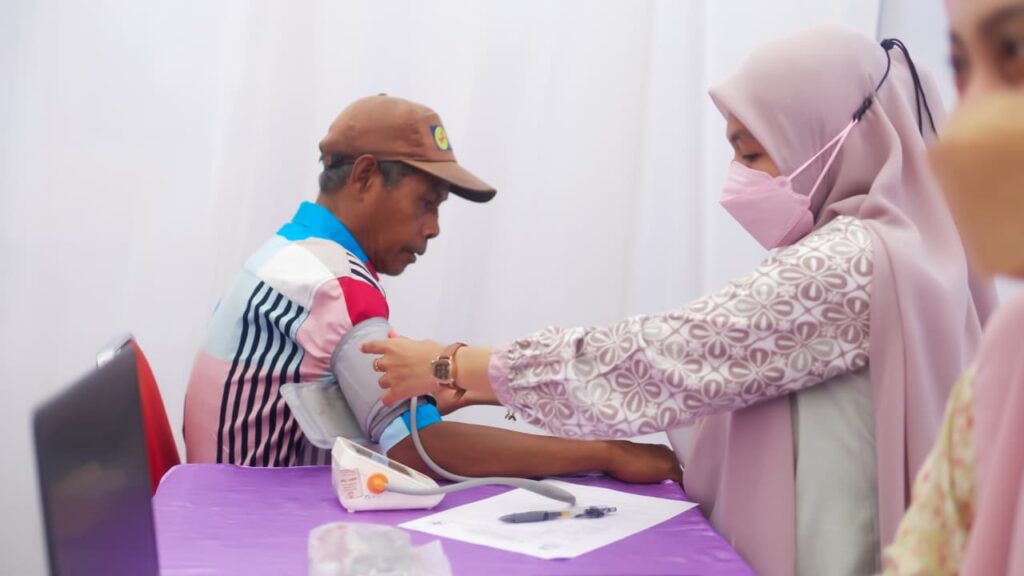
The event offered a range of health services such as blood pressure, cholesterol, and diabetes checks, as well as free X-ray examinations for residents. The organizers also provided a children’s play area and environmental health education booths.
A lecturer at the Faculty of Public Health at Hasanuddin University and Unhas Director of Partnerships, Ansariadi, said Tallo District was chosen as the venue because it serves as a field laboratory for Unhas public health research with Stanford University.
The area has a high population density and various environmental health problems such as anemia, infectious diseases, and stunting.
“Over the past nearly two years, Unhas and Stanford University have conducted various studies in the area. The studies cover waste management, the impact of hot weather on health, child disease monitoring, and monitoring of child growth and development in the community,” Ansariadi said.
Morgan, a researcher from Stanford University, presented research findings on environmental health and the health conditions of the community in the area. Morgan said that several health problems still occur frequently, such as anemia, infectious diseases, and stunting, in the densely populated area.
“Through this event, we want people to better understand the importance of maintaining environmental health and family health, said Ms. Morgan.
The event aims to show research results to the community while also providing education on environmental health and disease prevention. To encourage resident participation, Unhas worked with the district government, the Family Welfare Empowerment (PKK) group, health cadres, neighborhood heads (RT/RW), and the local community health center (puskesmas).(*/ams)
Editor: Ishaq Rahman
This article is an English translation of the original Indonesian report.