
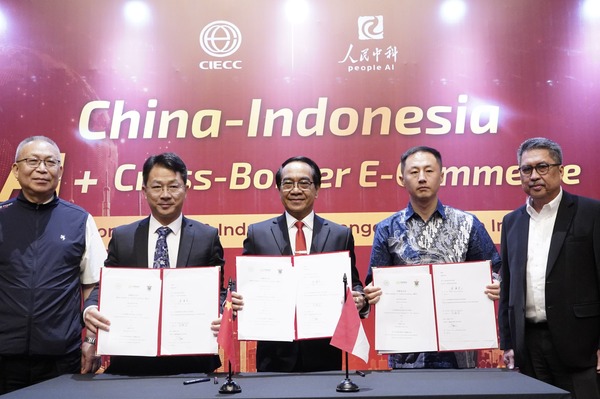
Unhas Rector, Prof. JJ: “Technology is no longer an optional addition in education, but has become a primary necessity.”
JAKARTA – The rapid transformation of artificial intelligence across industrial sectors is prompting education to make strategic adjustments, particularly in vocational education. Responding to this challenge, Hasanuddin University (Unhas), through its Faculty of Vocational Studies, is strengthening international collaboration with Chinese educational institutions and industry through the signing of a three-party Memorandum of Understanding (MoU).
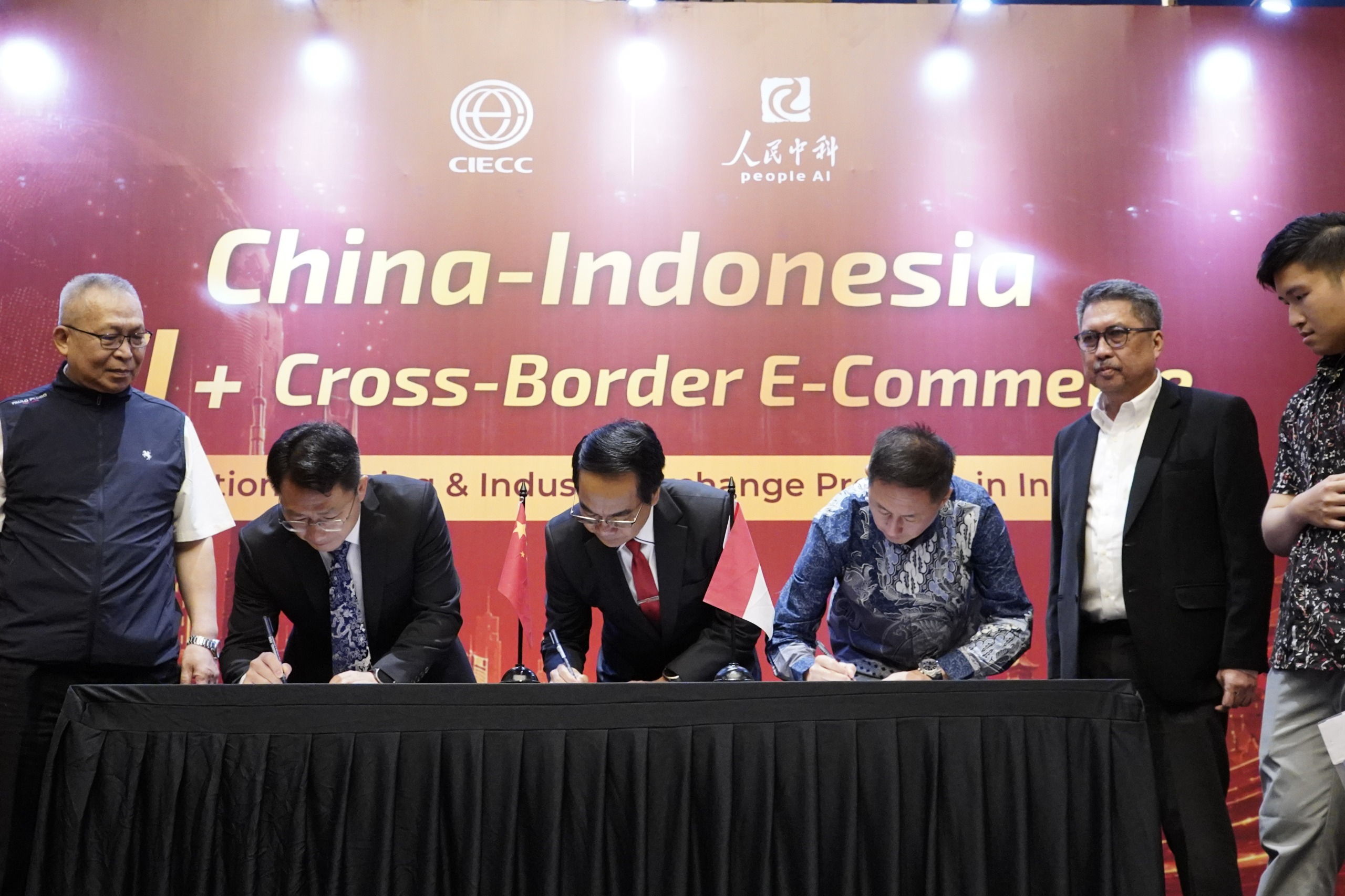
The agreement was signed by Foshan Polytechnic, Guandong Bangpu Recycling Technology Co., Ltd Indonesia Buri Base, and the Faculty of Vocational Studies of Hasanuddin University as part of the implementation of the international “1 + 10 + 100 + 1,000 + 10,000 Project” program.
The program focuses on developing vocational education, strengthening industry talent, transferring knowledge, and developing technology based on global industry needs.
The MoU was signed directly by the Unhas Rector, Prof. Dr. Ir. Jamaluddin Jompa, M.Sc., accompanied by the Dean of the Unhas Faculty of Vocational Studies, Prof. Dr. Ir. Muh. Restu, MP.
Beyond strengthening ties between institutions, the cooperation is also expected to open space for applied research collaboration, industry curriculum development, and improved graduate competencies that are relevant to the needs of the international job market.
The Secretary of the Directorate General of Vocational Education, Special Education, and Special Services Education at the Ministry of Higher Education, Science, and Technology (Kemdiktisaintek), Suparto, S.Ag., M.Ed., Ph.D., affirmed that the AI transformation has become a new reality that is changing the direction of global industrial development. Vocational education must serve as a driving force in preparing human resources capable of meeting the technological challenges of the future.
“Vocational education has an important role in supporting this strategic change. We want to produce future talent who not only understand technology but are able to carry out that transformation themselves,” Suparto explained.
Indonesia and China currently share a common vision of building a young generation ready to adapt to the development of AI and the digitalization of industry. According to Suparto, cross-country collaboration is an important step in accelerating knowledge transfer, strengthening competencies, and improving global workforce readiness.
Unhas Rector Prof. JJ explained that strengthening vocational education is one of the university’s strategic focuses in meeting the needs of future industry. Unhas has continued to expand its network of cooperation as part of strengthening the applied education ecosystem.
Technology is no longer an optional addition in education, but has become a primary necessity. For this reason, international cooperation such as that built with Chinese partners is considered important for accelerating the strengthening of student competencies, developing adaptive curricula, and increasing the relevance of graduates to global industry needs.
“Vocational education is one of the key factors in preparing outstanding human resources in the era of digital transformation. Collaboration among universities, industry, and government must continue to be strengthened so that innovation and technology development can keep pace with the needs of the job market,” Prof. JJ explained.
Meanwhile, the Dean of the Unhas Faculty of Vocational Studies, Prof. Muh. Restu, expressed appreciation for the university leadership’s support in promoting the internationalization of vocational education. The various partnerships open up great opportunities for students and the academic community to enhance their international capacity while broadening their experience of cooperation with multinational industry.
“We want Unhas vocational graduates to be ready to work in global-scale industries. The university’s support for the development of vocational education is a great source of energy for us to keep growing,” Prof. Restu explained.
Prof. Restu added that strengthening global networks is an important step in improving the quality of vocational education so that it becomes more competitive and adaptive to developments in world industry. Cross-country collaboration is also believed to accelerate the transfer of technology and knowledge to vocational students.
Through the implementation of the program, Indonesia and China also plan to develop AI-based and cross-border e-commerce training centers in various regions of Indonesia. The program is also supported by an investment in learning equipment in the form of computers and digital screens to support industry-based e-commerce training rooms.
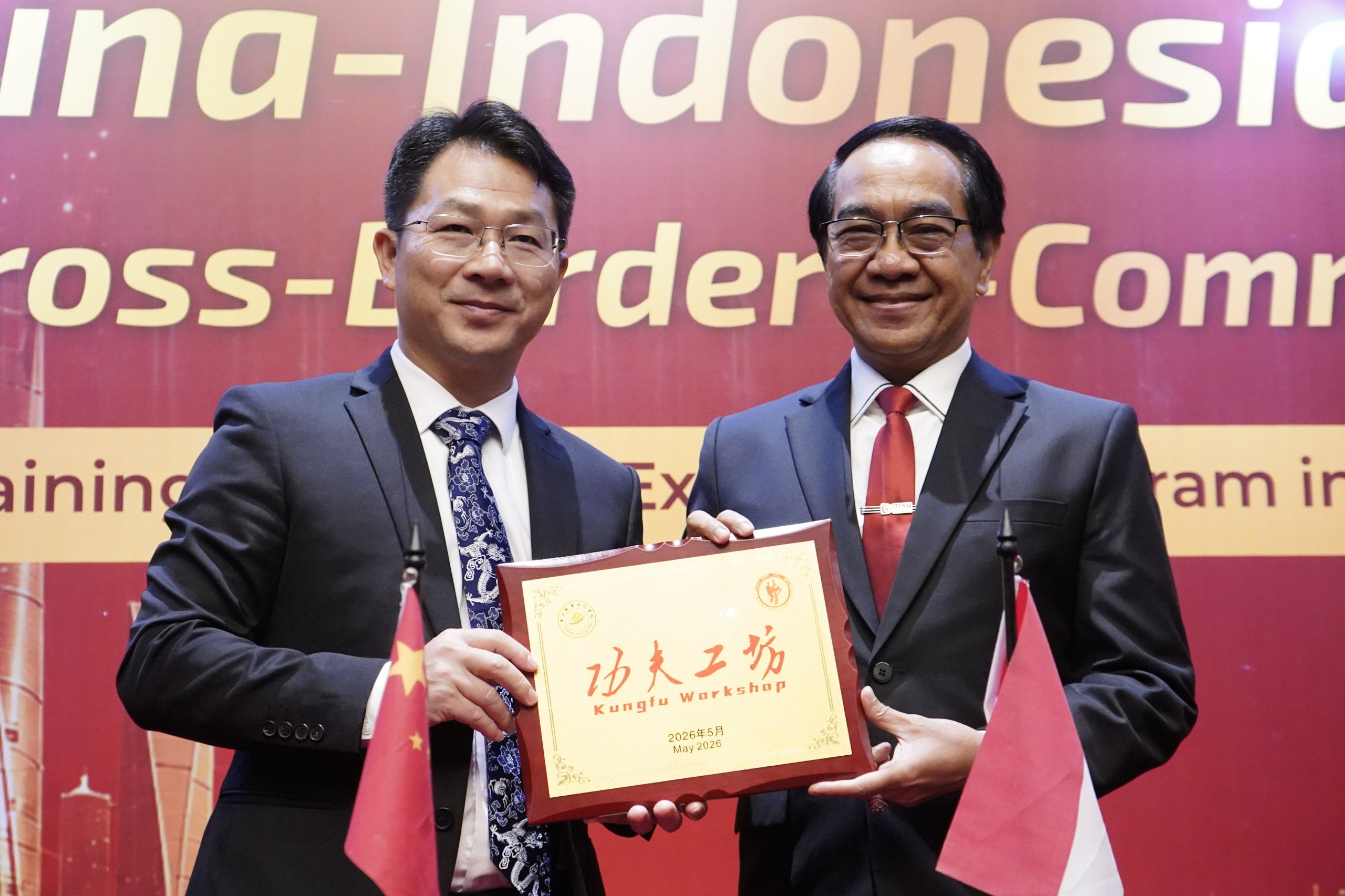
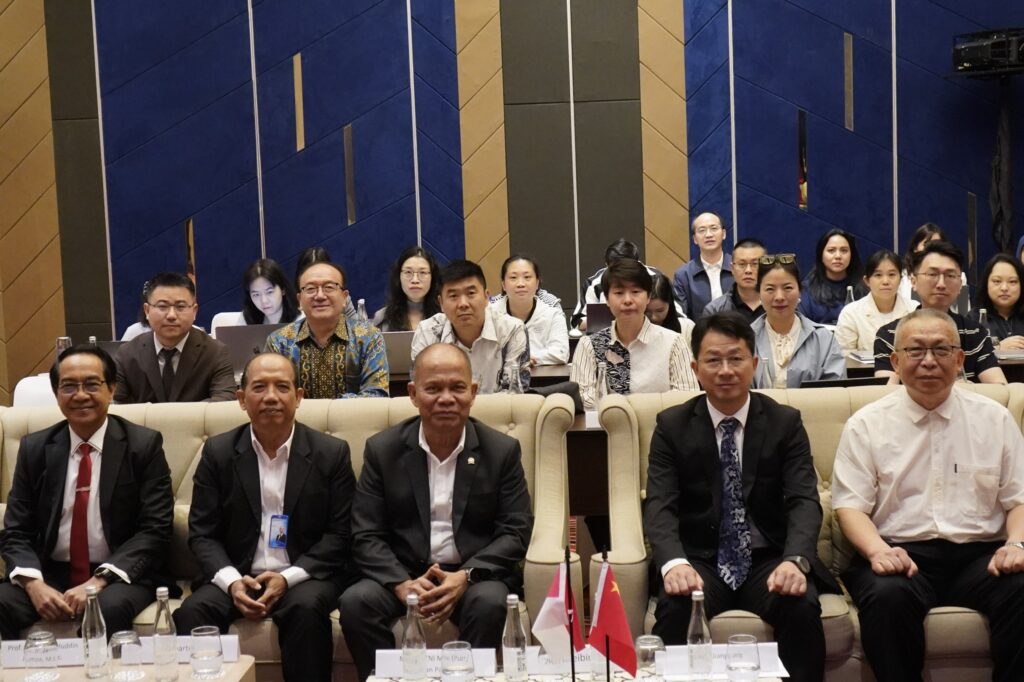
The implementation of the “1 + 10 + 100 + 1,000 + 10,000 Project” took place at the Novotel Jakarta Pulo Mas on Tuesday (19 May), and was held together with the “China–Indonesia AI + Cross-Border E-Commerce Localization Training and Industry Exchange Program in Indonesia.”
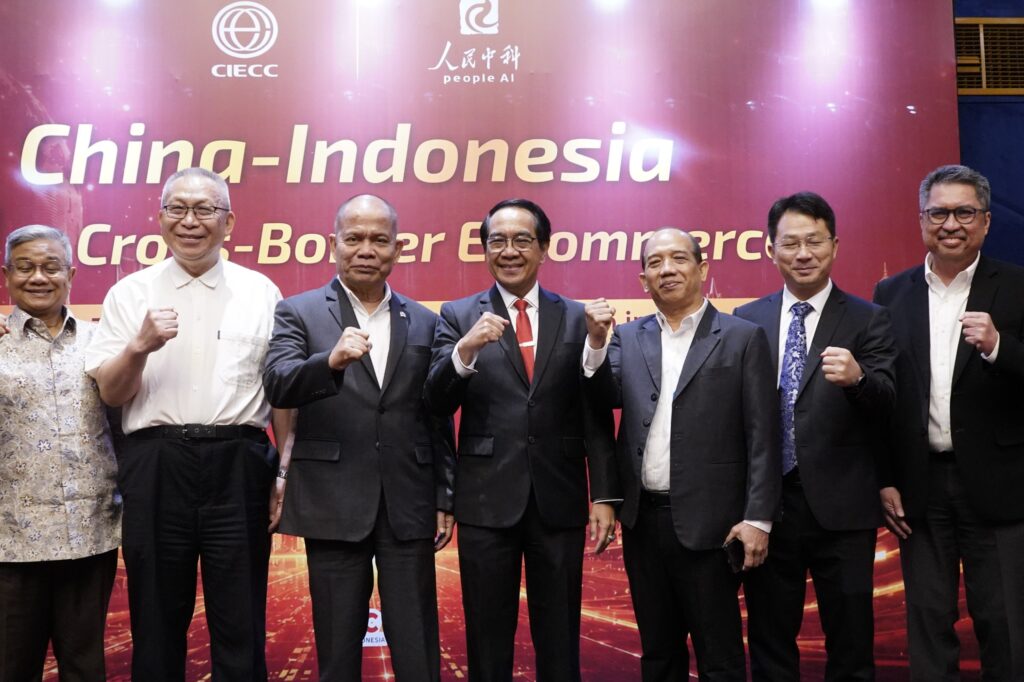
The forum was attended by delegations from universities, government, and industry from both Indonesia and China as part of strengthening vocational education collaboration and developing future industry talent. (*/mir)
Editor: Ishaq Rahman
This article is an English translation of the original Indonesian report.