
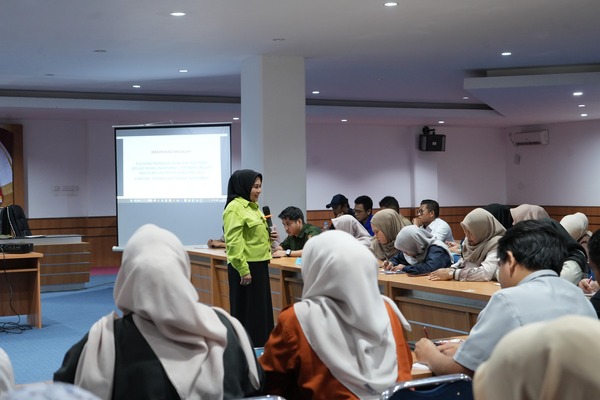
MAKASSAR – The success of a university’s transformation is determined not only by technological progress, but also by the readiness of its people to deliver quality services.
As part of that commitment, Hasanuddin University, through the Directorate of Human Resources (SDM), continues to develop the competencies of its personnel through a variety of ongoing capacity-building programs.
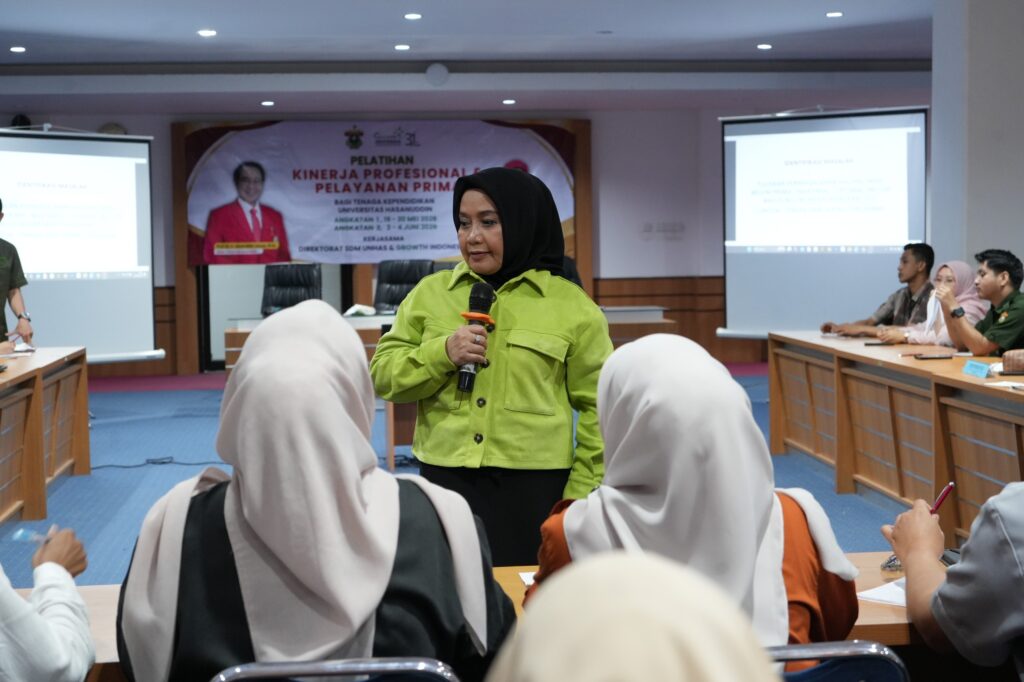
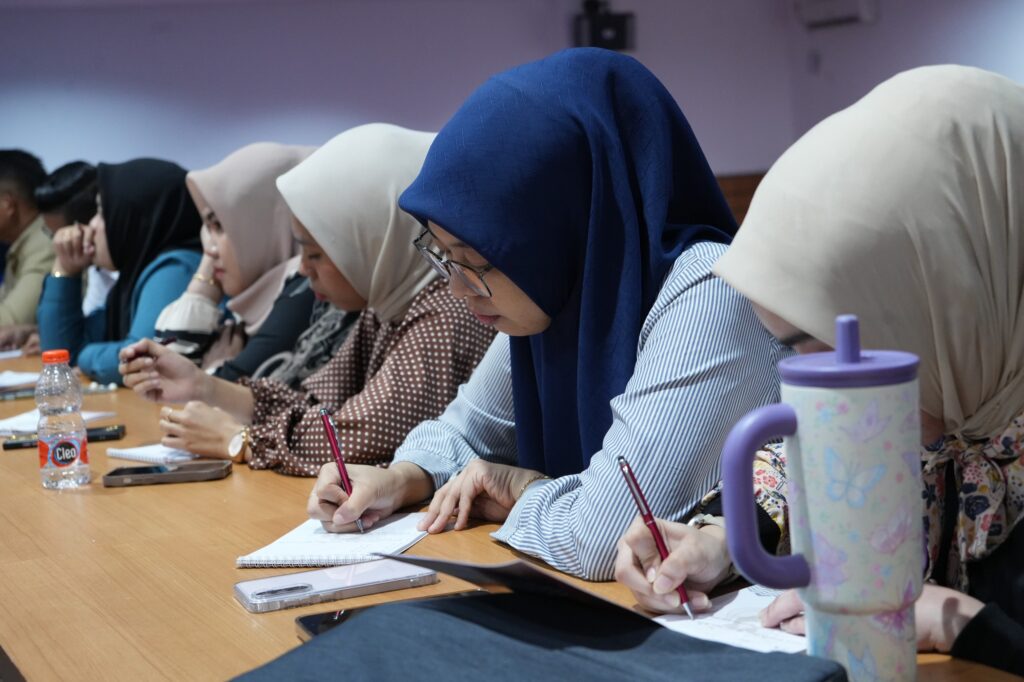
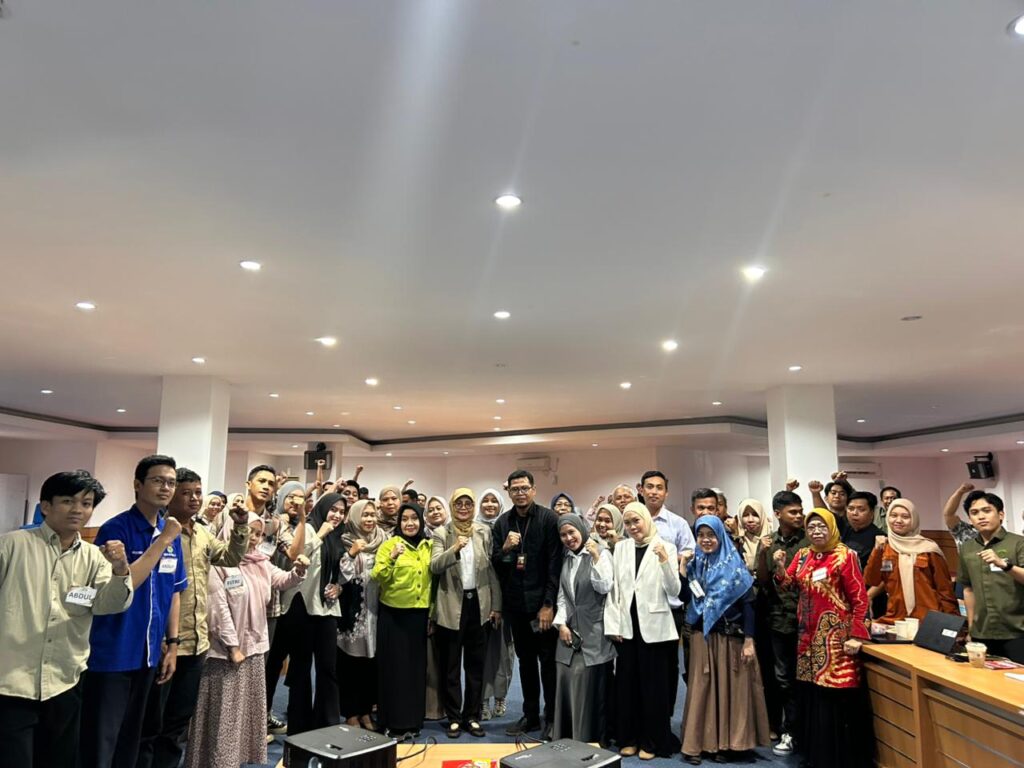
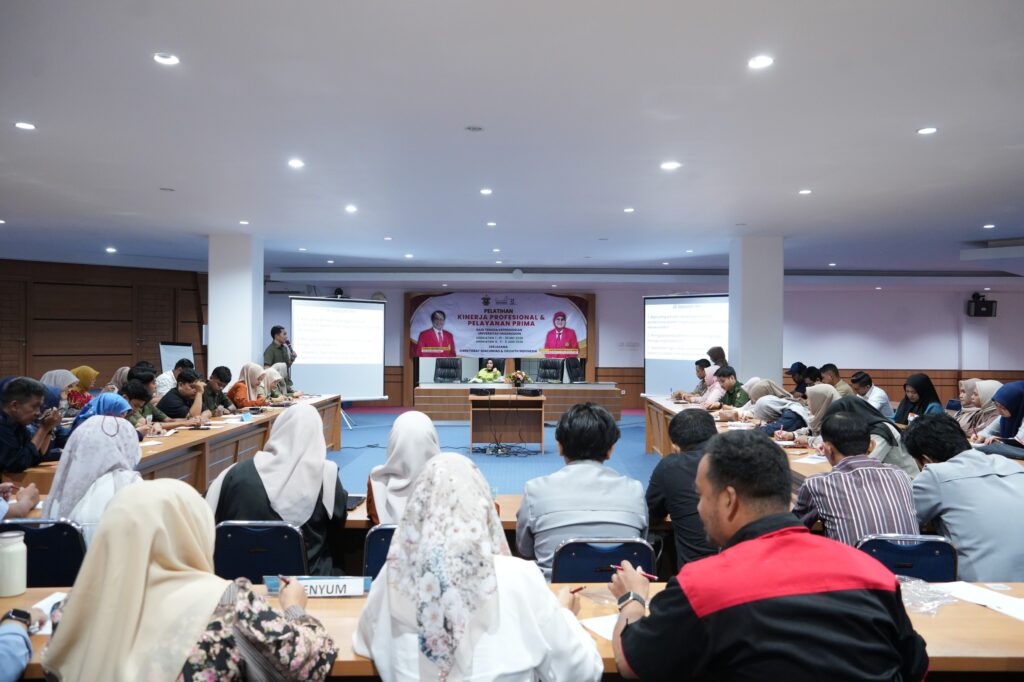
One such effort was the Professional Performance and Excellent Service Training for Hasanuddin University Administrative Staff (Tendik), Batch II, attended by 60 participants from various work units. The event is part of the campus’s commitment to building a work culture that is adaptive, collaborative, and focused on improving service quality.
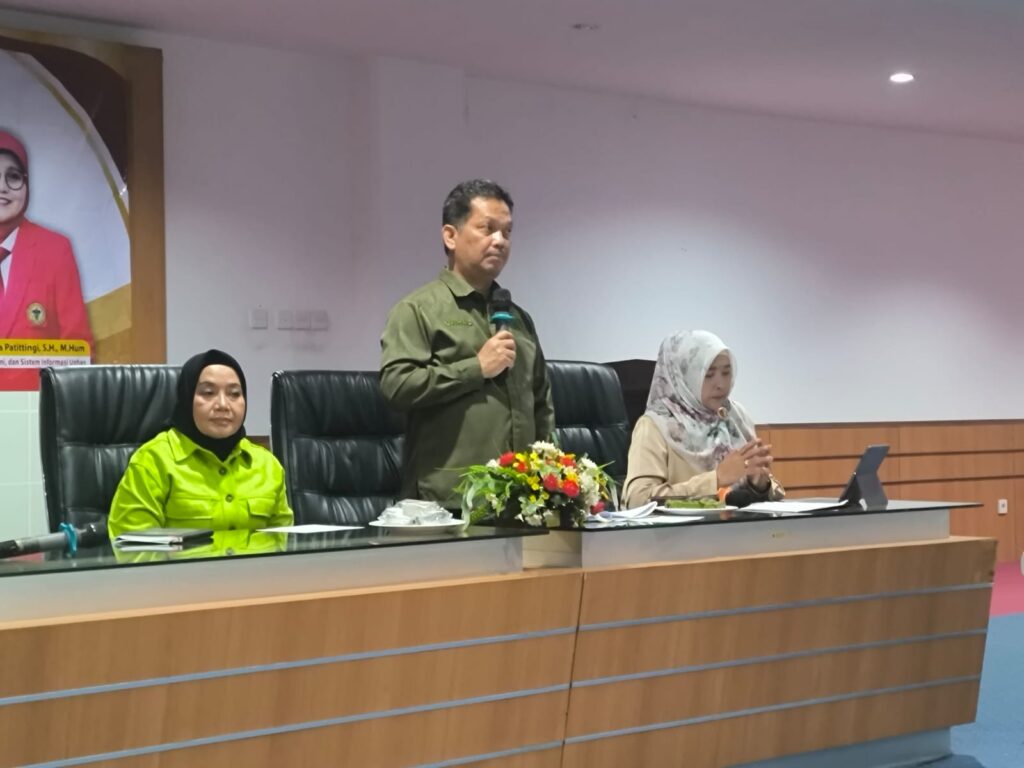
The Director of Human Resources, Prof. dr. Idar Mappangara, Sp.PD., Sp.JP., stressed that administrative staff hold a strategic position as the campus’s face in serving students, lecturers, partners, and the public. Improving service competence needs to be a shared concern amid ever faster change.
According to Prof. Idar, excellent service is not only about completing administrative tasks on time, but also about building effective communication, demonstrating integrity, and delivering a positive service experience for all stakeholders.
“The quality of an institution is reflected in the quality of service that users experience. That is why administrative staff need to keep developing their competencies, strengthening their professionalism, and building a work culture oriented toward the best service,” said Prof. Idar.
The Vice Rector for Human Resources, Alumni, and Information Systems, Prof. Dr. Farida Patittingi, S.H., M.Hum., said in the remarks that one factor in a campus’s success is the readiness of its people to meet increasingly complex and dynamic service demands.
Administrative staff are an important element who interact directly with various stakeholders. Therefore, strengthening service capacity must be part of an ongoing human resource development process so that it can support the achievement of targets optimally.
“A university’s transformation is determined not only by advances in systems and technology, but by the readiness of its people. Service that is fast, accurate, and empathetic is an important part of building trust in the campus and its reputation,” said Prof. Farida.
The training is designed to strengthen a range of competencies needed to support modern services, from reinforcing work ethics and professionalism and effective communication skills to the use of artificial intelligence (AI)-based technology in supporting service processes.
The training began on Wednesday (3 June) at the LPMPP Hall at Unhas. Participants come from work units in Academic and Student Affairs, Planning and Resources, and Partnerships, Research, Innovation, and Alumni. The training is scheduled to run through Thursday (4 June).
The event is part of the phased development of administrative staff competencies. Batch I was previously held on 19–20 May 2026 and was attended by 45 participants from various work units across Unhas.
Through this training, Unhas continues to strengthen the foundation of a professional work culture and excellent service as an important pillar in supporting the transformation of an excellent, adaptive, and globally competitive university. (*/mir)
Editor : Ishaq Rahman
This article is an English translation of the original Indonesian report.