
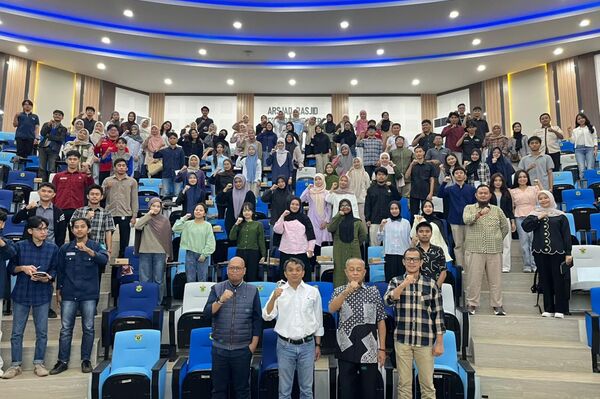
Hasanuddin University (Unhas), through the Career Center of the Directorate of Student Affairs, once again held a student capacity-building activity: a Career Class titled “Writing a Policy Brief: Promoting Evidence-Based Policy,” held on Wednesday (6 May) at the Arsjad Rasjid Lecture Theatre at Unhas.
The activity specifically targeted officers of student organizations (Ormawa), ranging from the Student Executive Board (BEM), student associations, and Student Activity Units (UKM) to various other organizations on the Unhas campus. Participants were encouraged to strengthen their intellectual and advocacy capacity, particularly in turning ideas and study findings into policy recommendations that have an impact.
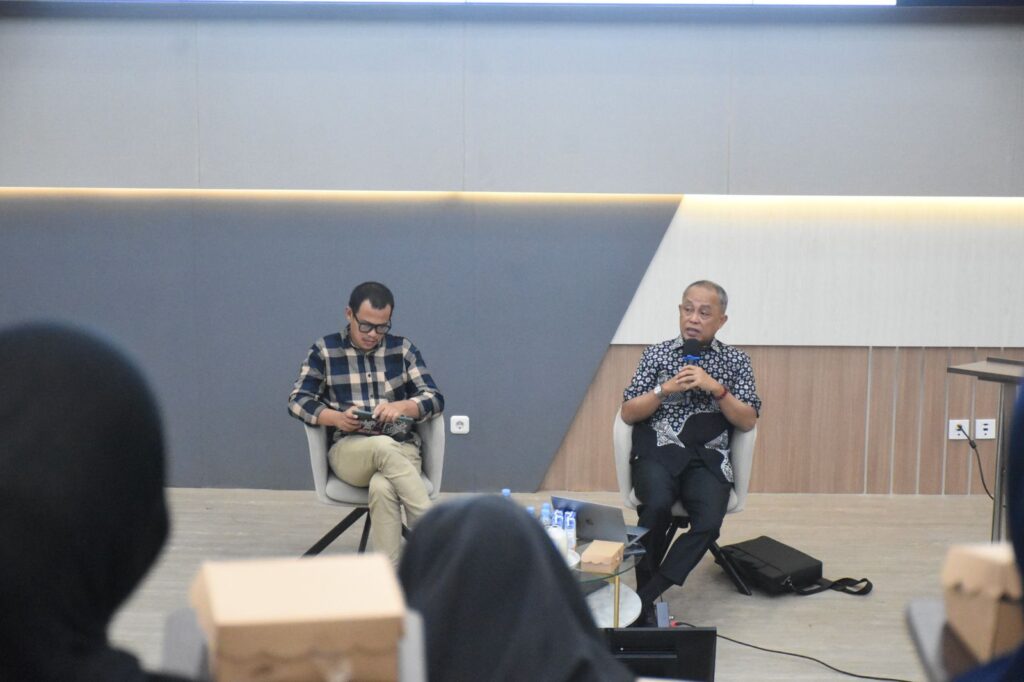
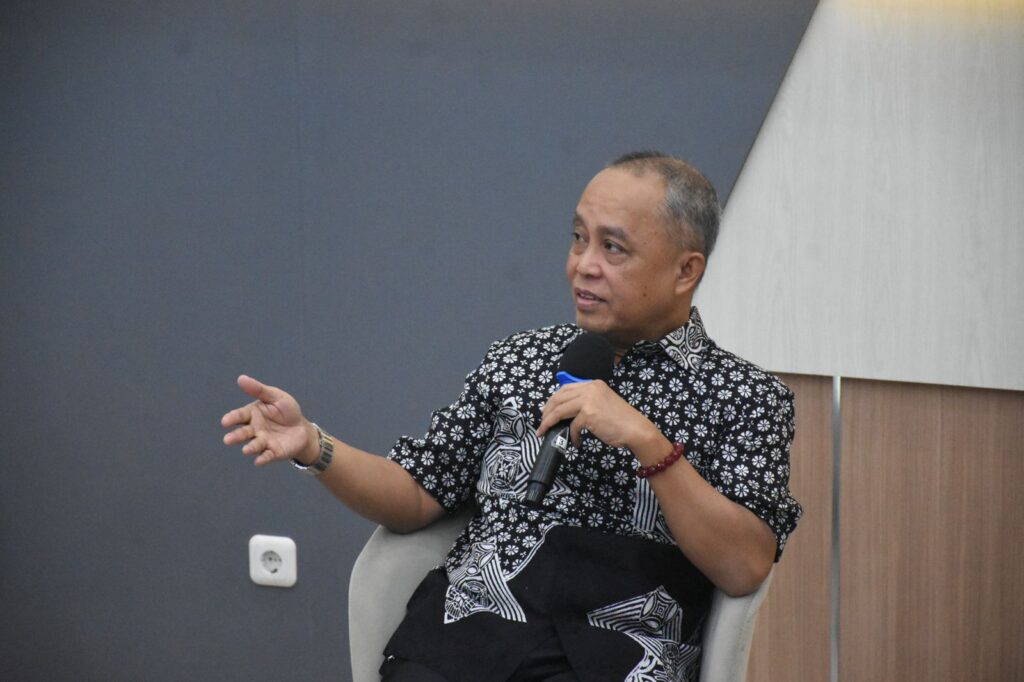
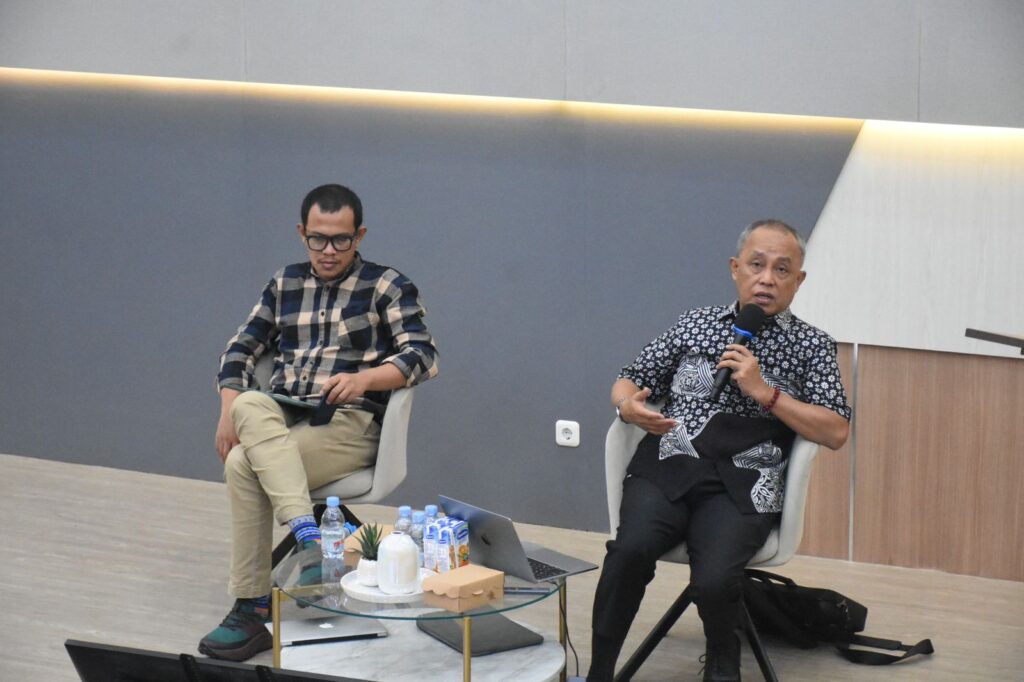
The career class featured Prof. Dr. Agussalim, SE., M.Si., a lecturer at the Faculty of Economics and Business at Unhas, as the resource person, with Adnan Kasogi, S.Si., M.Si. as moderator.
In remarks at the event, Unhas Director of Student Affairs Abdullah Sanusi, Ph.D., explained that the class was designed not only as academic reinforcement but also as career preparation for students active in organizations.
“We deliberately invited organization officers and packaged this as a career class because there are careers that require this skill. We hope this class can give a clear picture, especially since our speaker has extensive experience in policymaking,” said Abdullah.
Abdullah also highlighted the great potential of Unhas students’ scientific work, which has not yet been fully used as a basis for policy.
“Every year at Unhas there are around 10,000 scientific works. Out of that number, is there really none that can be pushed to become an impactful policy?” Abdullah said.
In the presentation, Prof. Agussalim emphasized that the policy brief is part of an academic tradition with a major impact, even though it is currently still less popular than scientific journal publications.
Prof. Agussalim explained that the policy brief plays a strategic role because it directly targets policymakers, and can therefore encourage policies based on data and facts.
“Good research that is not communicated well is no different from research that was never done,” Prof. Agussalim stressed.
Prof. Agussalim went on to describe common characteristics of policymakers, among them a tendency to dislike writing that is too scholarly and long, and a preference for writing that is concise, fact-based, and offers recommendations that are practical and easy to implement.
Through this activity, Ormawa officers at Unhas are expected to improve their capacity to turn study findings and aspirations into effective policy briefs, so that they are not only active in organizational activities but also make a real contribution to promoting policies that benefit society.(*/kmhs/fjr)
Editor: Ishaq Rahman
This article is an English translation of the original Indonesian report.