
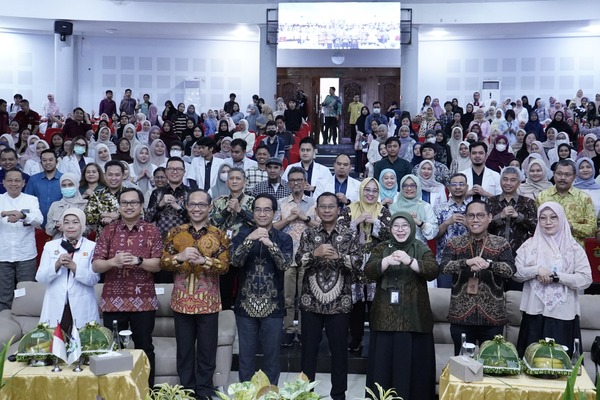
MAKASSAR – Transforming the national health system depends not only on medical services and financing but also on the strength of research and science. In that context, universities are seen as playing a strategic role as the link between scientific findings and public health policy.
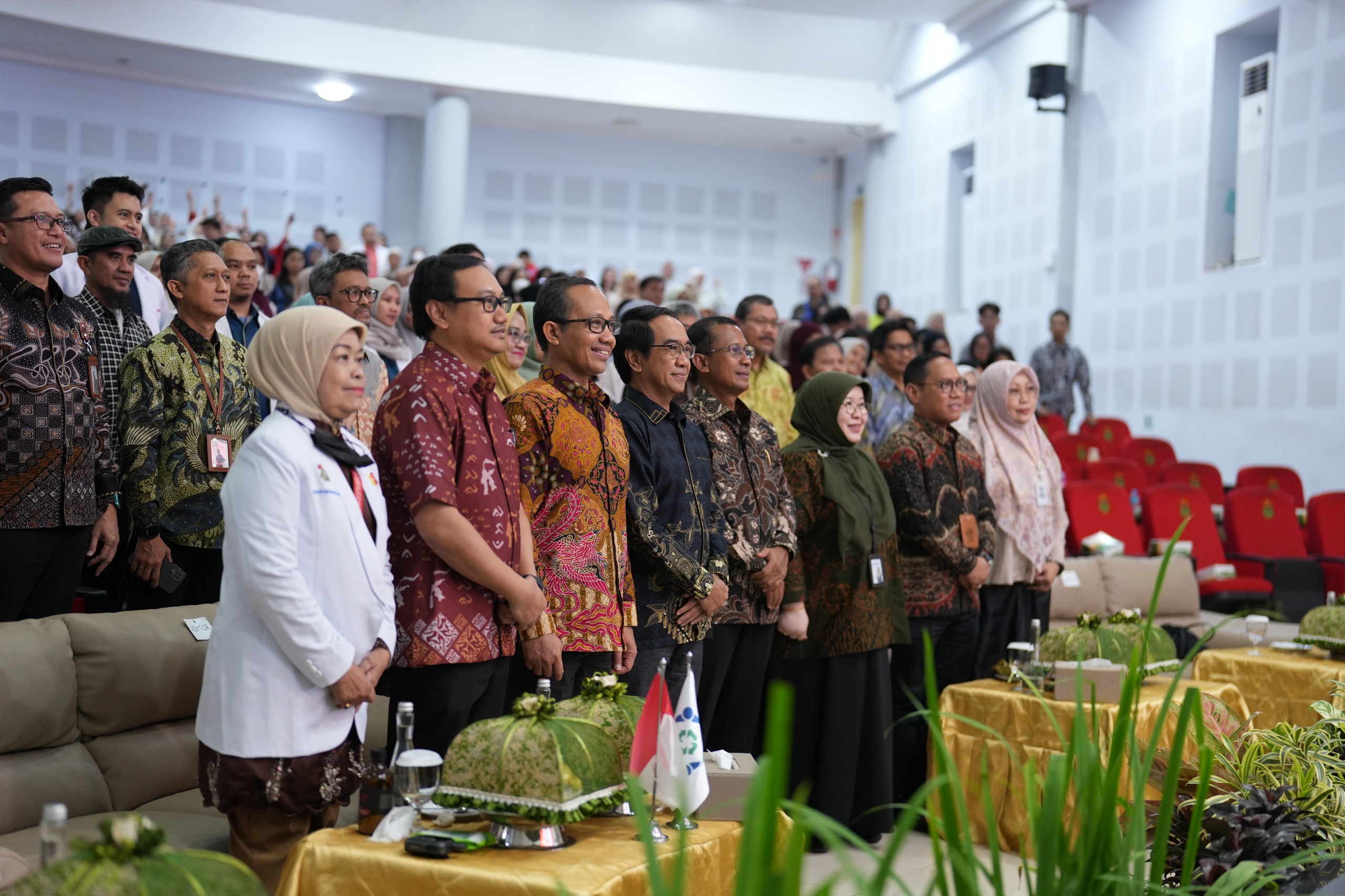
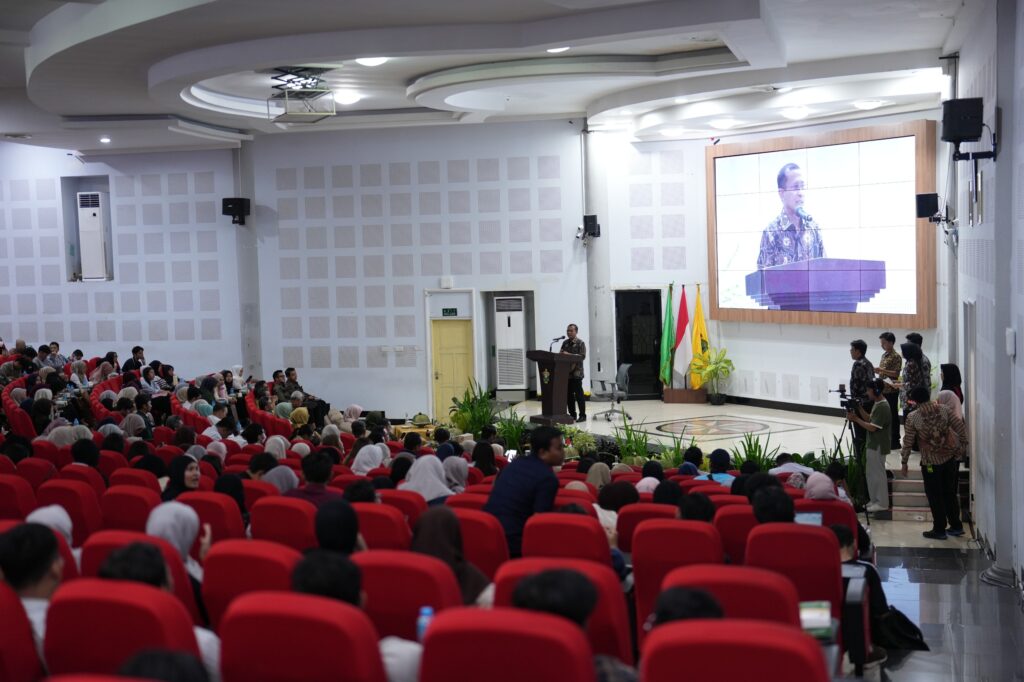
That was the main point of a public lecture themed “Synergy Between BPJS Kesehatan and Universities in Building an Equitable Health Ecosystem in Eastern Indonesia,” held by Hasanuddin University on Friday (22 May) at the Prof. A. Amiruddin Auditorium, Faculty of Medicine, Unhas.
The event featured the President Director of BPJS Kesehatan (the national health insurance agency), Maj. Gen. (Ret.) Dr. dr. Prihati Pujowaskito, Sp.JP(K), FIHA, M.M.R.S., who outlined the importance of involving academics in strengthening the National Health Insurance (JKN) Program.
In the presentation, Prihati explained that successful social health insurance systems in many countries always rest on the support of higher education institutions. In Prihati’s view, campuses are not only centers for developing health human resources but also places where evidence-based policy innovation is born.
“Academics play a vital role in value-based healthcare to support quality and cost control. Universities are the bridge between clinical research and strategic policy in optimizing the JKN Program,” said Prihati.
Prihati explained that the synergy between BPJS Kesehatan and universities covers many aspects, from strengthening studies and research on the effectiveness of JKN services and developing Health Technology Assessment (HTA) to drafting policy recommendations on quality control and cost control in healthcare services.
Under this scheme, academics are positioned as strategic partners able to provide scientific analysis to address healthcare challenges, particularly in Eastern Indonesia, whose geography and access to services differ from other regions.
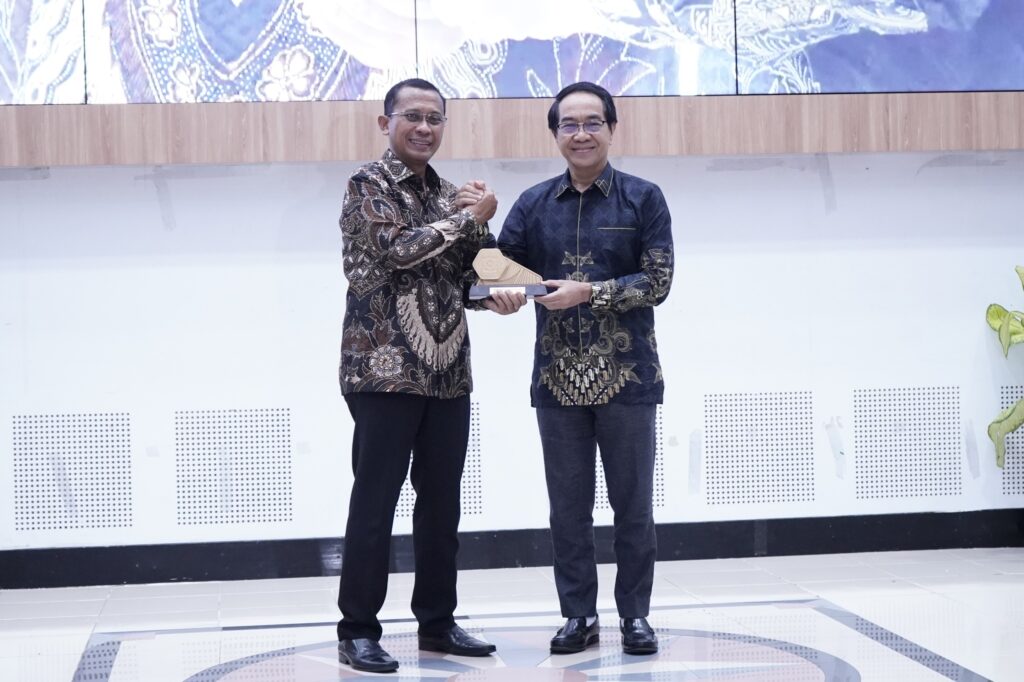
Prihati also said BPJS Kesehatan is ready to expand collaboration with Hasanuddin University, including in developing research based on health data and discussing strategic issues related to the national health insurance system.
Meanwhile, Unhas Rector Prof. Dr. Ir. Jamaluddin Jompa, M.Sc., stressed that universities have a moral and academic responsibility to strengthen public policy through a more measurable scientific approach.
In the Rector’s view, health research development on campus should be directed not only at clinical aspects but also at analyzing behavior and quality of life in the campus community.
“We need to build more scientific health analysis, including looking at the health of students and the campus environment as a whole. The role of academics and health workers is very important in setting an example of healthy living in society,” the Rector explained.
Prof. JJ added that the Healthy Unhas (Unhas Sehat) concept now under development is part of the university’s commitment to building a preventive and collaborative health culture together with BPJS Kesehatan.
The public lecture underscored the importance of collaboration between universities and BPJS Kesehatan in building health services that are more inclusive, research-based, and equitable for society. (*/dhs).
Editor: Ishaq Rahman
This article is an English translation of the original Indonesian report.