
MAKASSAR – As trade, technology, energy, migration, and security become ever more interconnected, international relations can no longer be built solely through traditional diplomacy conducted by governments. Amid increasingly complex global dynamics, parliamentary diplomacy has emerged as an important instrument for strengthening trust, democratic legitimacy, and the continuity of cooperation between nations.
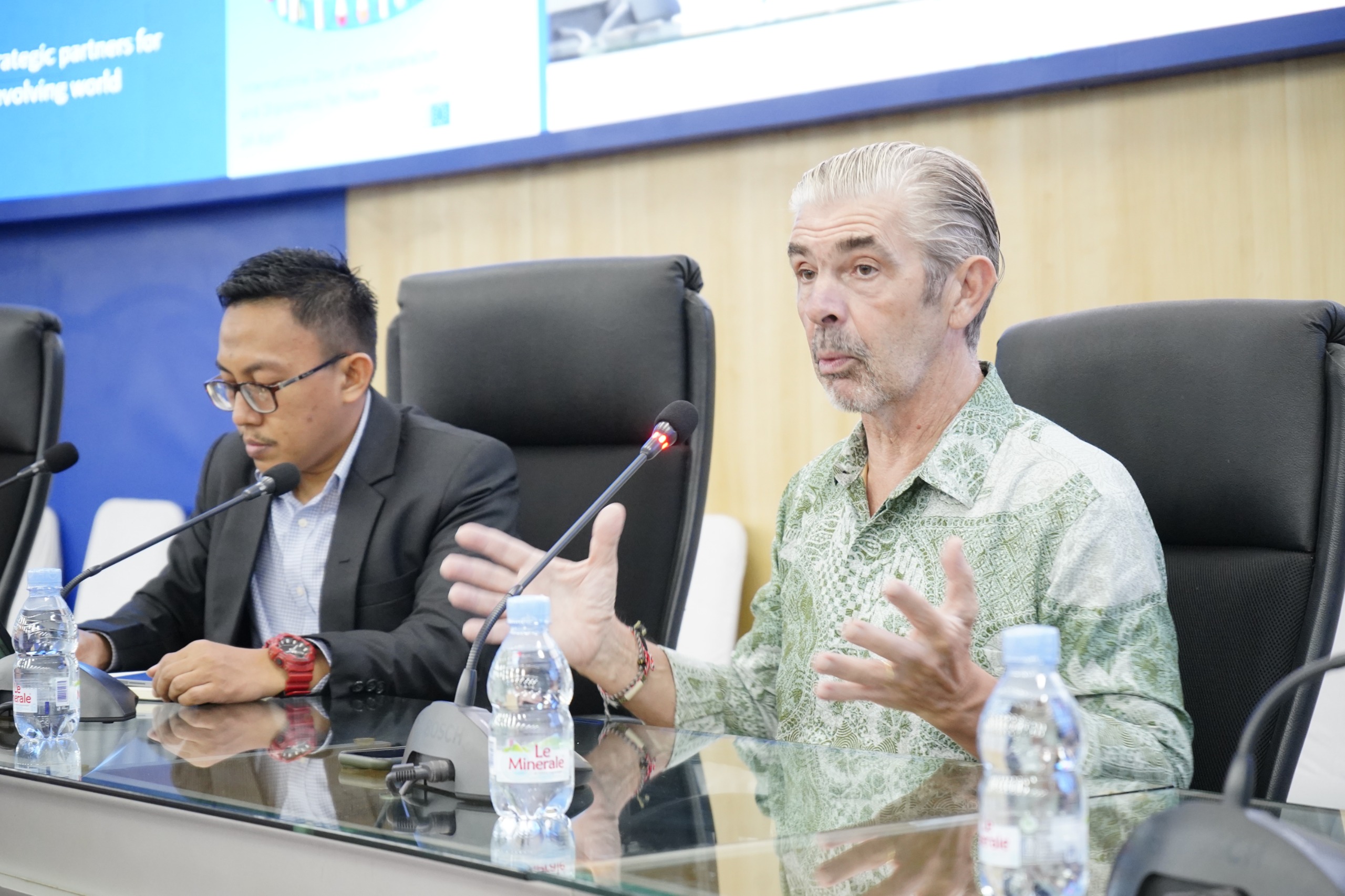
This view was expressed by the Minister Counsellor for Parliamentary Affairs of the European Union Delegation to ASEAN, Antoine Ripoll, as Ripoll discussed the parliamentary diplomacy practiced by the European Parliament and its implementation in the European Union’s relations with Indonesia and the Southeast Asian region. In Ripoll’s view, current global conditions demand an approach that can sustain dialogue and cooperation across countries, even amid ever-evolving geopolitical challenges.
Ripoll explained that the European Parliament is one of the main institutions of the European Union, elected directly by citizens of the member states in elections held every five years. As a representative body of the people, it plays a strategic role in legislation, oversight, and budget management, making it an important pillar of democratic governance in the European Union.
Various current EU policy priorities, such as strengthening industrial competitiveness, security, migration management, the green energy transition, and digital regulation, show that parliament has a central role in addressing future challenges. These policies are built on the values of democracy, the rule of law, human rights, inclusivity, and sustainable development.
According to Ripoll, parliamentary diplomacy has an advantage because it can build relationships grounded in democratic legitimacy and long-term trust. Through the involvement of elected representatives, diplomacy is no longer solely a matter for governments.
“In an increasingly complex world, parliamentary diplomacy has an advantage because it can bridge communication among elected representatives, academics, civil society, and various other stakeholders. This approach is often more flexible than formal government diplomacy, so it is effective in building long-term relationships and strengthening mutual trust between countries,” said Ripoll.
In the context of international relations, the European Parliament also acts as a diplomatic actor. Through its consent to international agreements, inter-parliamentary dialogue, election observation, and various cooperation forums, parliament helps build constructive, values-based foreign relations.
The relationship between the European Union and ASEAN, Ripoll said, is a clear example of parliamentary diplomacy in practice that continues to evolve. Through the ASEAN Antenna in Jakarta and various cooperation programs in trade, security, digital transformation, and sustainable development, the two regions are seeking to strengthen a mutually beneficial strategic partnership.
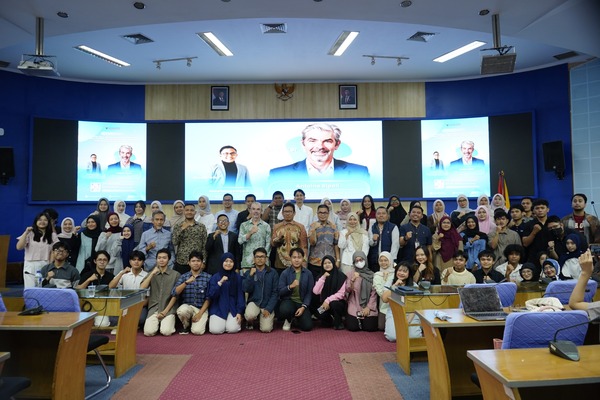
The discussion of parliamentary diplomacy came up in a public lecture organized by the International Affairs Office of Hasanuddin University, held in the Senate Room on the 2nd floor of the Rectorate Building, Unhas Tamalanrea Campus, on Wednesday (10 June).
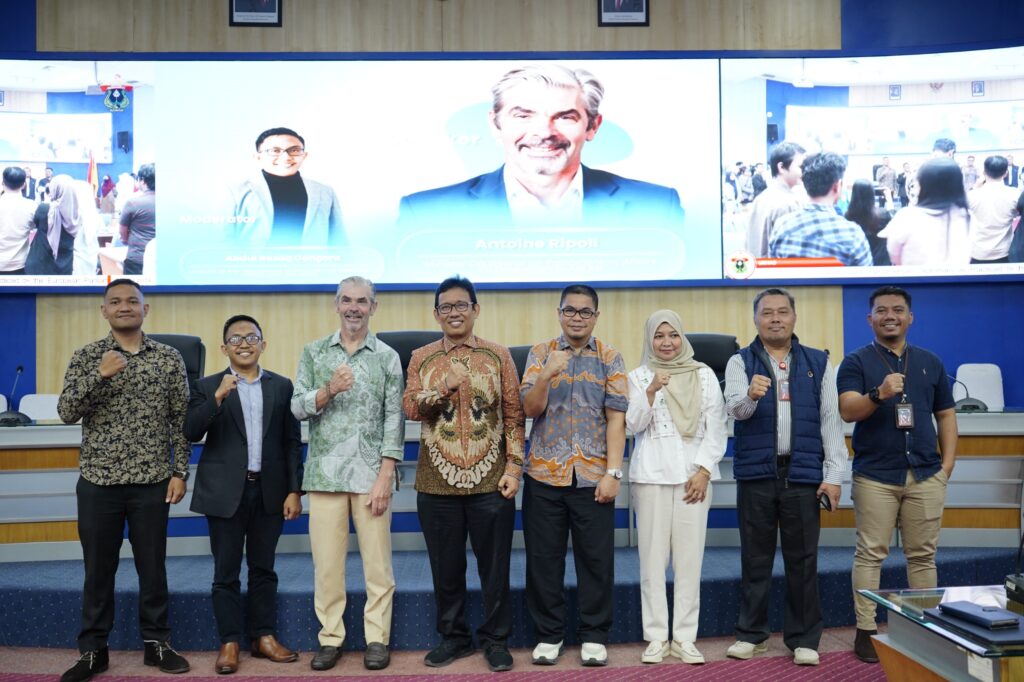
The event, titled “Parliamentary Diplomacy as Practiced by the European Parliament and Its Implementation in Indonesia and Southeast Asia,” featured the Minister Counsellor for Parliamentary Affairs of the European Union Delegation to ASEAN, Antoine Ripoll, as the keynote speaker.
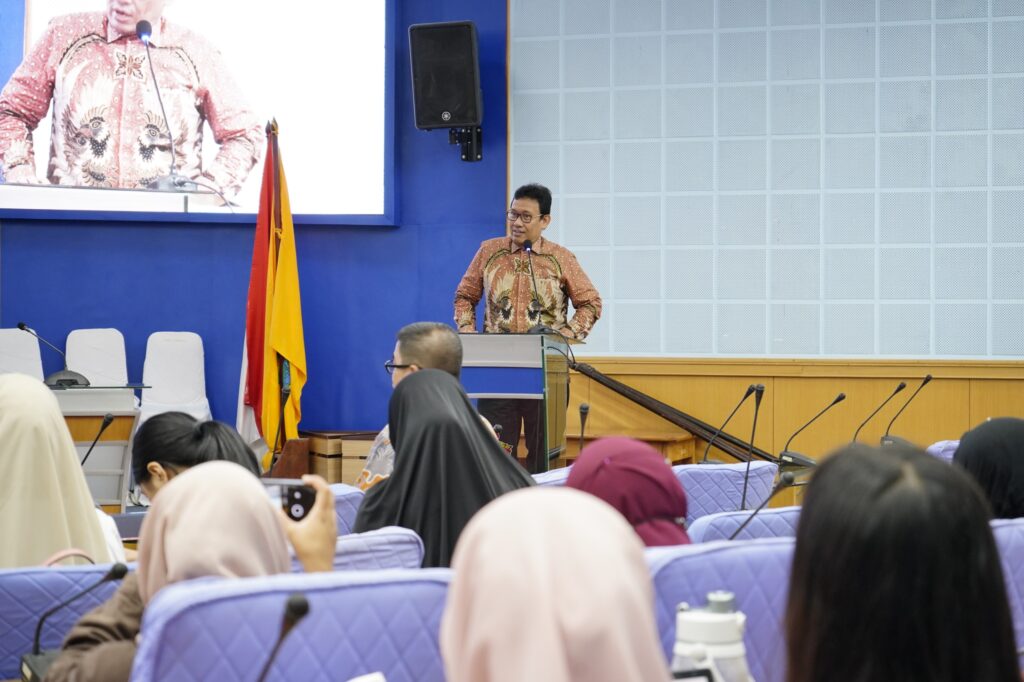
Representing the Rector of Unhas, the Head of the Institute for Research and Community Service (LPPM), Prof. dr. Muh. Nasrum Massi, Ph.D., Sp.MK(K)., said in remarks that parliamentary diplomacy is an important issue for the academic community to understand. According to Prof. Nasrum, academic forums such as public lectures are a strategic space to broaden insight and to understand the ever-evolving dynamics of international relations.
“Understanding diplomacy and global cooperation is an important part of preparing a generation able to meet future challenges. Through academic forums like this, we learn not only about international relations, but also about how to strengthen democracy and contribute to world peace,” said Prof. Nasrum.(*/mir)
Editor : Ishaq Rahman
This article is an English translation of the original Indonesian report.