
The Faculty of Dentistry, Hasanuddin University (UNHAS) participated in the BRIDGE 2026 Program at Chulalongkorn University, Thailand, from 21 to 26 July, 2026. The program provided an enriching international learning experience combined with academic activities, practical dental workshops, cultural exploration, and cross-cultural exchange. Through the program, students had the opportunity to broaden their academic perspectives, develop practical skills and gain a deeper understanding of Thai culture and society.
Six delegates from the Faculty of Dentistry participated in the program ; Naila Iryanti Sabir, Alila Achmad Nurung, Nurhidayah Wahab Ramli, Maghfirah Puji Tirta P Sahati, Shofya Muliadi, and Andi Nurul Anastasya Tatta. Their participation reflected the Faculty’s commitment to providing students with international exposure and opportunities to engage in global academic and cultural environments.
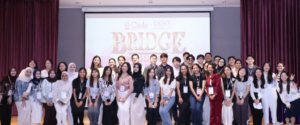
The academic activities began with an Opening Ceremony and Ice-Breaking Activities at Chulalongkorn University. The opening session provided an opportunity for participants to interact with fellow students and establish connections within an international learning environment. The program continued with Lecture 1: Anterior Esthetics, delivered by Assoc. Prof. Dusit Nantanapiboon and Dr. Sunporn Namano. The lecture provided insights into dental esthetics, particularly in relation to anterior teeth, and introduced participants to perspectives in dental education and clinical practice.
Following the lecture, participants joined Dental Workshop 1, which provided hands-on learning and practical experience in dentistry. The academic activities were further complemented by a visit to the CU Book Center, allowing participants to become more familiar with the academic environment and resources available at Chulalongkorn University. Then on 23 July 2026, the program focused on cultural and educational exploration in Bangkok. Participants visited Wat Arun, where they learned about Thailand’s historical, religious, and cultural heritage while observing the temple’s distinctive architecture. The cultural exploration continued with visits to Museum Siam and Wat Pho, providing participants with broader insights into Thai history, cultural identity and society. These activities offered meaningful learning experiences beyond the classroom and encouraged participants to appreciate Thailand’s rich cultural heritage.
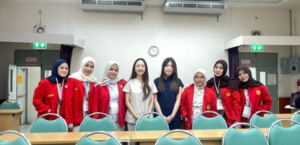
The program continued with a Faculty Tour at Chulalongkorn University, providing participants with an opportunity to explore the university’s academic environment and facilities. This was followed by Lecture 2: Role of Endodontics in the Life Cycle of the Teeth, delivered by Assoc. Prof. Sirawut Hiran-us. The lecture enhanced participants’ understanding of the role of endodontics throughout the life cycle of teeth and provided additional academic perspectives relevant to dental education. The academic experience was further strengthened through Workshop 2: Anterior Crown Waxing at the Dentistry Building laboratory. Through this practical activity, participants gained hands-on experience in anterior tooth morphology and crown waxing, allowing them to connect theoretical knowledge with laboratory-based dental practice.
On 25 July 2026, participants took part in a community and cultural learning experience at Baan Mai Chai Khlong, a canal-side community in Thailand. The activity provided an opportunity to observe aspects of local community life and gain a better understanding of Thai society. Participants also joined a Thai Dessert-Making Workshop, where they learned to prepare traditional Thai desserts such as Luk Chup, Phakkrong, Thong Ek, and Saneh Chan. This activity offered a hands-on cultural experience and introduced participants to Thailand’s traditional culinary heritage. The BRIDGE 2026 Program concluded with a Closing Ceremony, Certificate Presentation and Farewell Party, marking the completion of a series of academic, practical, and cultural activities. The closing event also provided an opportunity for participants to reflect on the experiences and knowledge gained throughout the program and strengthen the connections established with fellow participants.
Overall, the BRIDGE 2026 Program at Chulalongkorn University provided a comprehensive international learning experience by integrating academic enrichment, practical dental education, cultural exploration, and cross-cultural interaction. Through lectures and dental workshops, participants gained additional academic and practical knowledge, while cultural and community activities broadened their understanding of Thai history, society, and traditions. The participation of the Faculty of Dentistry, UNHAS, in BRIDGE 2026 reflects the Faculty’s continued commitment to internationalization and global engagement in dental education. The program not only enriched participants’ academic and practical experiences but also fostered broader global perspectives, cultural awareness, interpersonal skills, and international networks that will contribute to their future development as dental professionals.
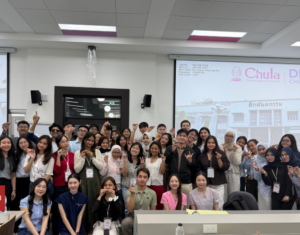
The BRIDGE 2026 Program primarily supports Sustainable Development Goal (SDG) 4: Quality Education by providing students with opportunities for international learning, practical skills development, cross-cultural exchange, and exposure to different approaches to dental education. The program also contributes to SDG 3: Good Health and Well-Being by strengthening students’ knowledge and practical competencies in dentistry, which can support the development of future health professionals. In addition, the collaboration between UNHAS and Chulalongkorn University contributes to SDG 17: Partnerships for the Goals by strengthening international academic networks and institutional cooperation.