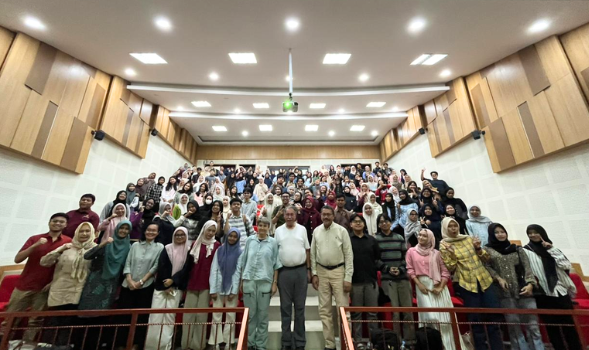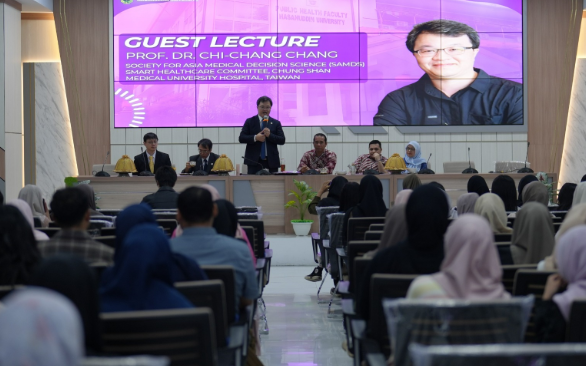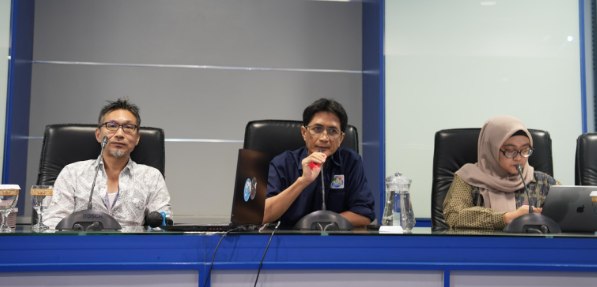
Hasanuddin University (UNHAS) and Kanazawa University, Japan, have elevated their academic partnership by launching the UNHAS–Kanazawa Collaboration Hub. This dedicated platform is designed to boost joint research, scientific publications, and student mobility. The Hub was officially launched at the UNHAS Institute for Research and Community Service (LPPM) on 28 August 2026, alongside the signing of a Memorandum of Understanding (MoU) between the two universities.
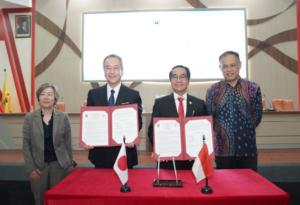
Unlike collaboration platforms that operate solely online, the UNHAS–Kanazawa Collaboration Hub combines virtual engagement with a dedicated physical space on the second floor of the LPPM building. The facility will provide information on existing cooperation between the two institutions while serving as an access point for academics, students, and others interested in developing new joint initiatives. UNHAS Rector Prof. Dr. Ir. Jamaluddin Jompa, M.Sc. described the visit of Kanazawa University President Prof. Takashi Wada, M.D., Ph.D. as a significant moment in the relationship between the two institutions, marking Wada’s first visit to Indonesia and UNHAS.
“Through this Hub, we hope to create more programs that lead to productive joint publications, student exchanges, and various other forms of academic collaboration,” said Prof. Jamaluddin. Creating a Home for Joint Academic Initiatives. The Collaboration Hub is designed not only to serve as a symbolic representation of the partnership but also as a practical space where new ideas and collaborative projects can be developed.
The physical office will serve as a resource center for ongoing UNHAS–Kanazawa initiatives and future partnerships, making collaborative opportunities highly visible and accessible to the university community. According to Prof. Jamaluddin, the space is open to those interested in learning about the partnership and exploring possibilities for joint projects between the two universities. This initiative builds on an established academic relationship that has already included student exchange, research collaboration, and academic activities between UNHAS and Kanazawa University. Earlier in 2026, for example, the UNHAS Faculty of Nursing and Kanazawa University’s School of Health Sciences agreed to continue student exchanges while expanding research collaboration and guest lectures.
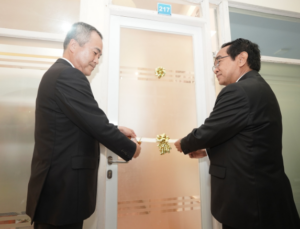
Expanding research and student connections, Kanazawa University President Prof. Takashi Wada welcomed the establishment of the Hub as an important step in expanding the university’s international connections and strengthening its relationship with UNHAS. “We would like to expand our friendship and research activities with one another, including through our students,”said Prof. Wada. “We strongly believe that this collaboration will deepen our friendship and cooperation in the future.”
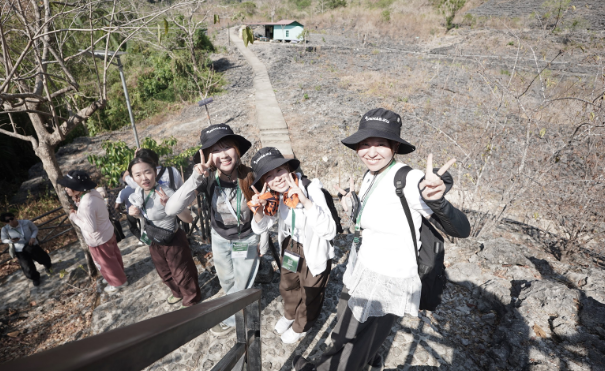
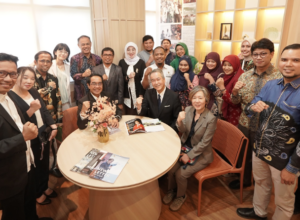
Kanazawa University’s official institutional information confirms Prof. Wada as their current President emphasizes the university’s commitment to developing globally engaged graduates and strengthening international research. Student engagement was also an important part of the launch. Students from Kanazawa University joined their UNHAS counterparts during the activities in Makassar, providing opportunities for interaction between young people from Indonesia and Japan.
For UNHAS, these student-to-student connections are an important dimension of international cooperation. Beyond formal institutional agreements, direct interaction among students can help build intercultural understanding, academic networks, and relationships that support future mobility and collaborative activities.
The establishment of the UNHAS–Kanazawa Collaboration Hub marks a further step toward making the partnership more structured, accessible, and sustainable. By providing a permanent platform for researchers, students, and academic units to identify opportunities and develop joint initiatives, the Hub is expected to help translate institutional cooperation into more research, publications, mobility programs, and academic projects between Indonesia and Japan.