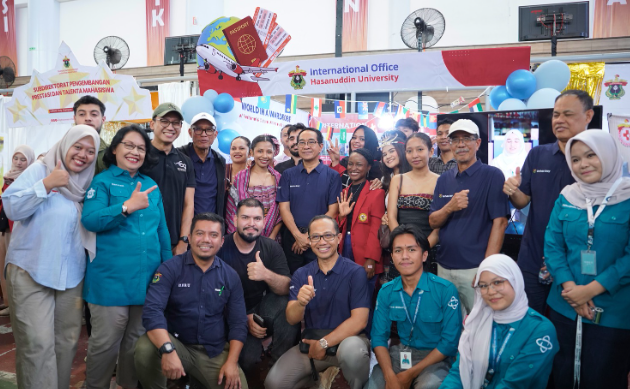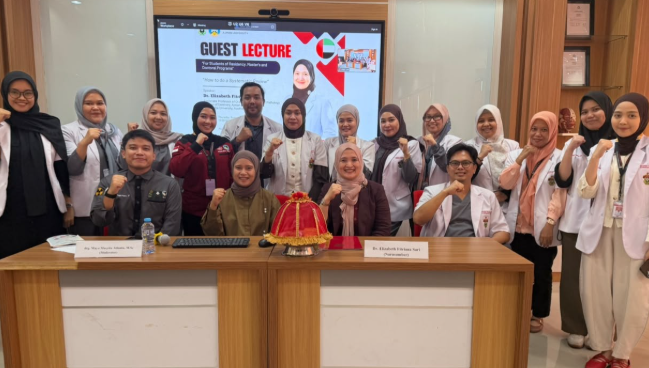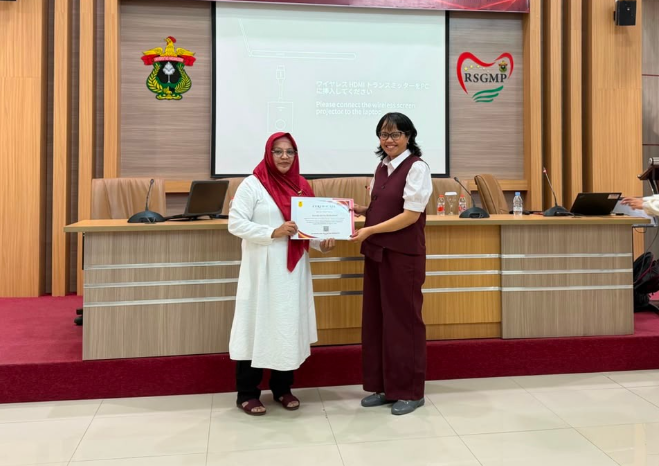
Hosted by the Department of History, Faculty of Cultural Sciences, alongside the Center for Tourism and Cultural Studies at Hasanuddin University (UNHAS), the ASEAN LUMINA event positioned cultural heritage not merely as a relic of the past, but as a living bridge for Southeast Asian youth. Manuscripts, language, history, food, and local knowledge store wisdom that remains vital for understanding contemporary society while shaping the future.
This vision came to the forefront during the ASEAN LUMINA program, titled “Waves of Resonances: Exploring Cultural Richness, Creative Expressions and Diversity Within a Shared Heritage,” held at the Prof. Dr. Fachruddin Auditorium, Graduate School, UNHAS, Makassar, from 11 to 14 August 2026. Carrying the theme “Reclaiming the Soul: History, Manuscripts and the Future of Indonesian Cultural Heritage,” the event served as a dynamic space for cultural exchange and storytelling among youth. The forum invited participants to explore history and manuscripts, recognize the diversity of regional heritage, and discover common ground across distinct cultural backgrounds.
The Rector of UNHAS, Prof. Dr. Ir. Jamaluddin Jompa, M.Sc., stated that understanding culture serves as a vital gateway to strengthening ties among ASEAN nations. He emphasized that such closeness is best cultivated through direct experience, knowledge exchange, and academic networks. According to Jamaluddin, young people need expanded opportunities to visit different regions, interact with local communities, and explore the languages and histories that form regional identity. Makassar provides a rich backdrop for this immersion due to its historic role as a crossroads of diverse communities—a legacy evident in its language, traditions, maritime history, and vibrant social fabric. “When coming to Makassar, learn its culture, language, and history,” said Jamaluddin, noting that firsthand engagement expands perspectives beyond theoretical classroom learning.
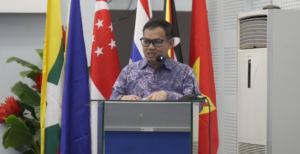
Similarly, the Director of Cultural Cooperation at the Ministry of Culture of the Republic of Indonesia, Mardiantori, LL.M., highlighted cultural heritage as a platform for understanding diversity and identifying shared values. “Every community has unique symbols, stories, and cultural expressions. These stories are passed down through generations and shape a community’s identity. Behind this diversity lie values that can serve as a common ground to build more harmonious relationships in the region,” said Mardiantori. He added that everyday elements such as food, natural surroundings, and community practices constitute the knowledge through which societies understand themselves. “At the same time, cultural preservation requires the involvement of the new generation. Creativity and innovation can be used to retranslate cultural heritage into forms that are closer to contemporary society, without severing its connection to history,” Mardiantori noted.
This initiative aligns with several United Nations Sustainable Development Goals (SDGs). By safeguarding historical manuscripts, local heritage, and intangible traditions through youth leadership, the initiative supports SDG 11: Sustainable Cities and Communities (Target 11.4). Furthermore, the cross-cultural academic exchange advances SDG 4: Quality Education through global citizenship, while the collaborative framework across Southeast Asia reinforces SDG 17: Partnerships for the Goals. Additionally, Through ASEAN LUMINA, UNHAS demonstrated that cultural heritage remains an active, evolving force. By grounding youth in regional histories while encouraging creative expression, the gathering in Makassar reinforced how shared traditions can continuously inform and strengthen ties across Southeast Asia.