
Full information: the definition, credit load, recognized activities, how to calculate credits, and the list of MKPK courses are now summarized on the page MKPK: Competency Strengthening Courses.
Unhas students’ activities outside lectures, for example in student organizations, in Student Activity Units, or in other activities, can be recognized as equivalent to courses for up to 20 credits (SKS)
Competency Strengthening Courses (MKPK) are courses whose learning activities take place outside the study program, either within the university and/or outside the university. Students are required to take these courses with a load of 20 credits (SKS) for the non-health cluster and 10 credits for the health cluster, and the learning activities can be recognized by converting activity hours into semester credit units (SKS).
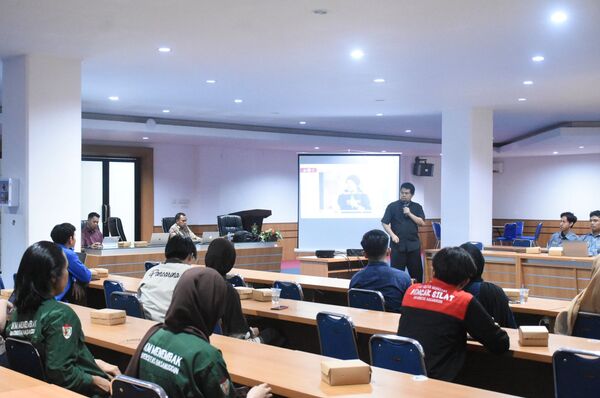
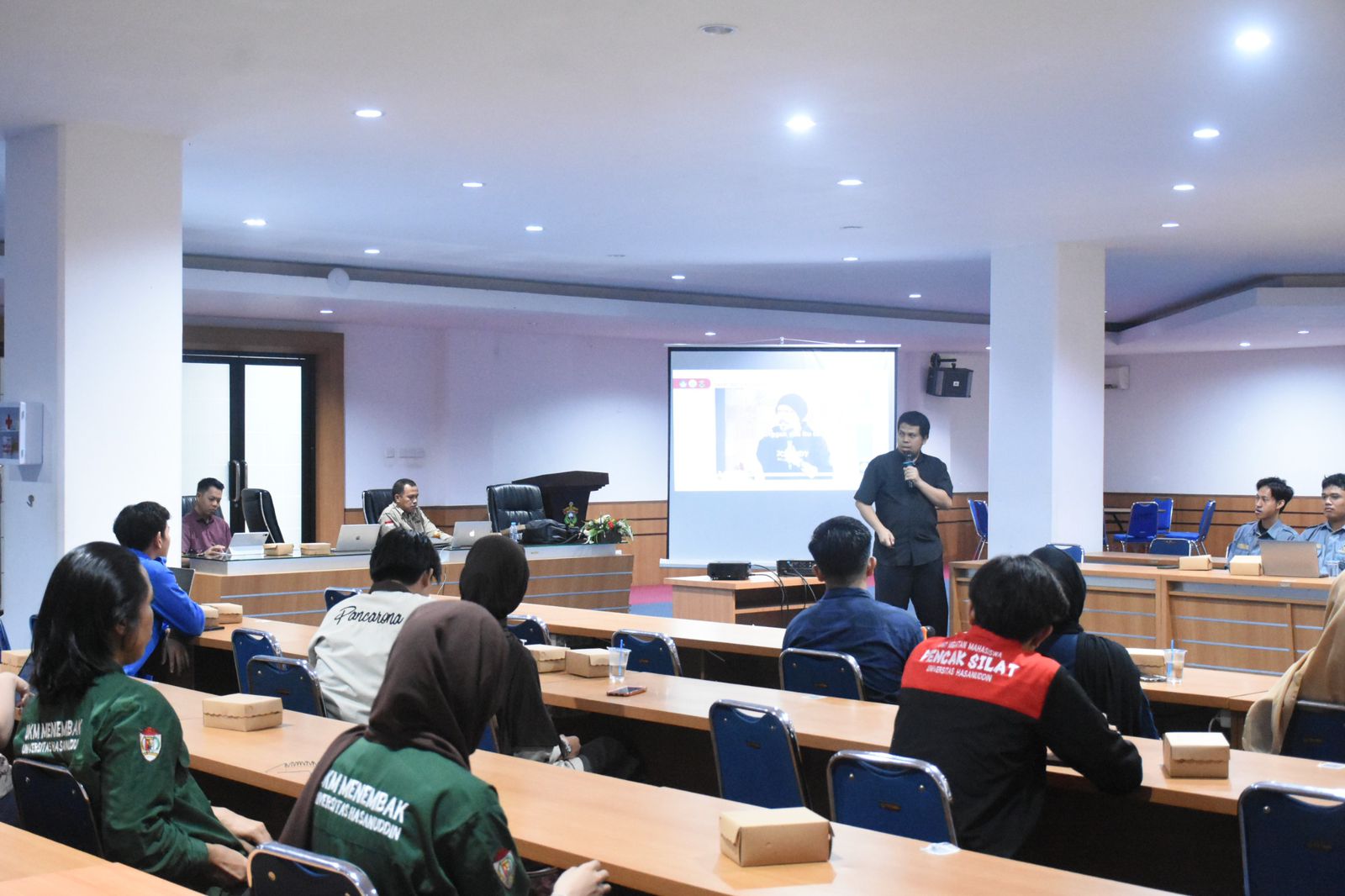
The Hasanuddin University Directorate of Student Affairs held an MKPK Workshop for leaders of university-level Student Activity Units (UKM). The event ran for four days, Monday to Thursday, 20–24 April 2026, at the LPMPP Hall of Unhas.
The workshop aims to give UKM leaders a comprehensive understanding of implementing MKPK as part of strengthening student competencies outside the study program. Through this event, UKM leaders are expected to be able to manage organizational activities in a structured way so that they can be recognized as part of students’ learning outcomes.
Unhas Director of Student Affairs, Abdullah Sanusi, Ph.D., stressed that the Directorate of Student Affairs is committed to helping student organizations understand the implementation of MKPK in greater depth.
“We hope students will not have difficulty planning and recognizing student activities as part of fulfilling their MKPK credits. We hope student organizations can make the best use of this opportunity to improve their understanding of MKPK,” said Abdullah Sanusi.
On the first day, the speaker was Ira Taskirawati, S.Hut., M.Sc., Ph.D., a lecturer at the Unhas Faculty of Forestry. In the presentation, Ira stressed the importance of students being prepared to plan their MKPK fulfillment early, especially students of the 2023 cohort.
Ira explained that many students still take MKPK fulfillment casually, assuming it is only needed in the sixth semester. “Yet the system lets you save up credits, so there’s no need to wait until the time comes and then panic,” Ira explained.
Ira further stressed that MKPK is very important in shaping graduates who are not only academically strong but also have experience and skills relevant to the world of work. Ira added that a diploma and GPA are indeed important, but not enough without the support of organizational experience and student activities.
According to Ira, students who are active in UKM generally have more diverse experience and strengths in various aspects, such as communication skills, mastery of hard skills and soft skills, and the ability to work together in a team.
MKPK itself is expected to shape a graduate profile with the main competencies of the 21st century, namely critical thinking, creativity, collaboration, character, communication, and citizenship.
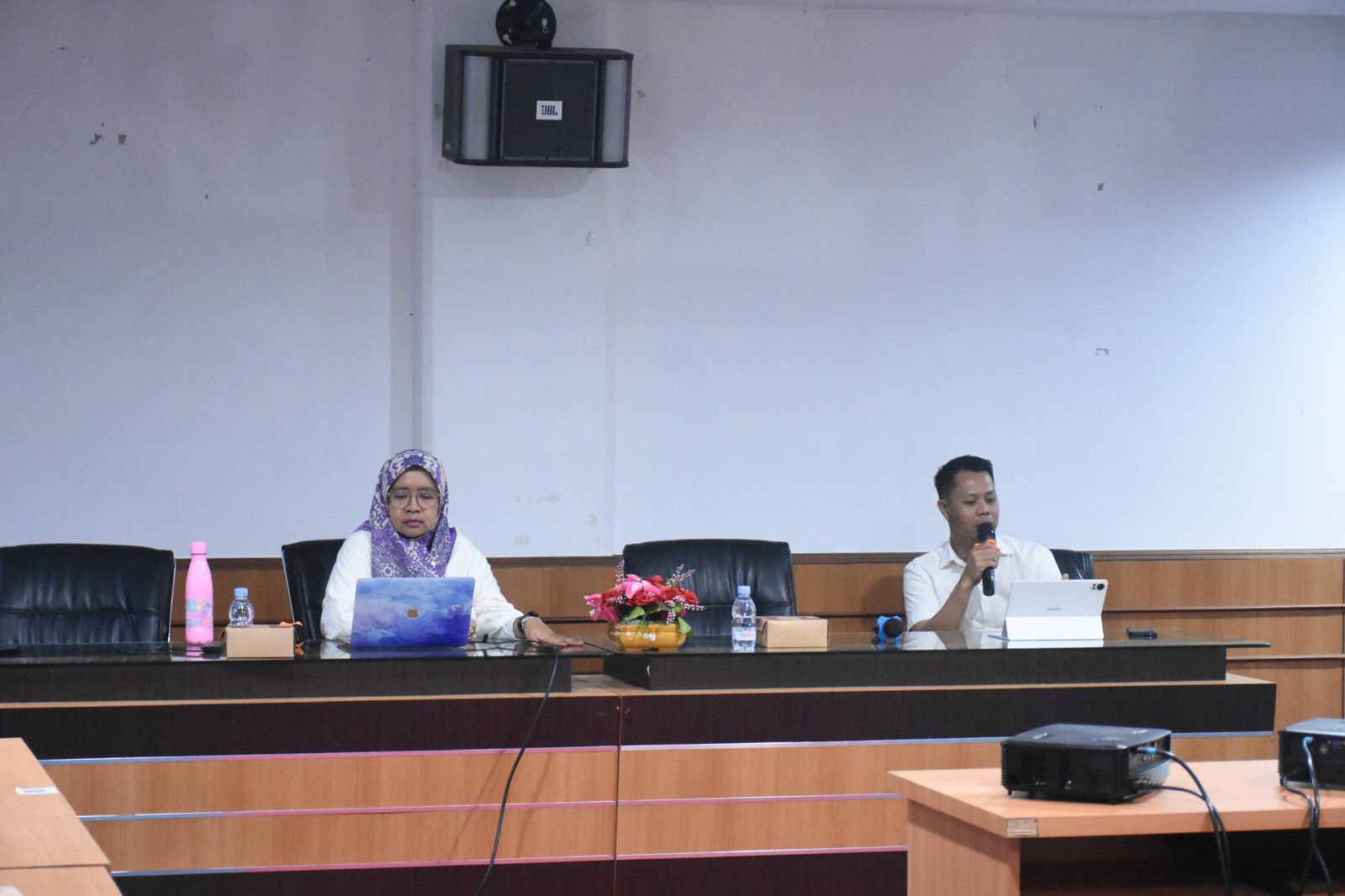
The four-day workshop features various resource persons who provide material on activity planning, recognition of student activities, and the mechanism for converting activity hours into MKPK credits. It is hoped that the event will improve UKM leaders’ understanding and readiness to support the optimal implementation of MKPK at Hasanuddin University.(*/kmhs)
Editor: Ishaq Rahman
This article is an English translation of the original Indonesian report.