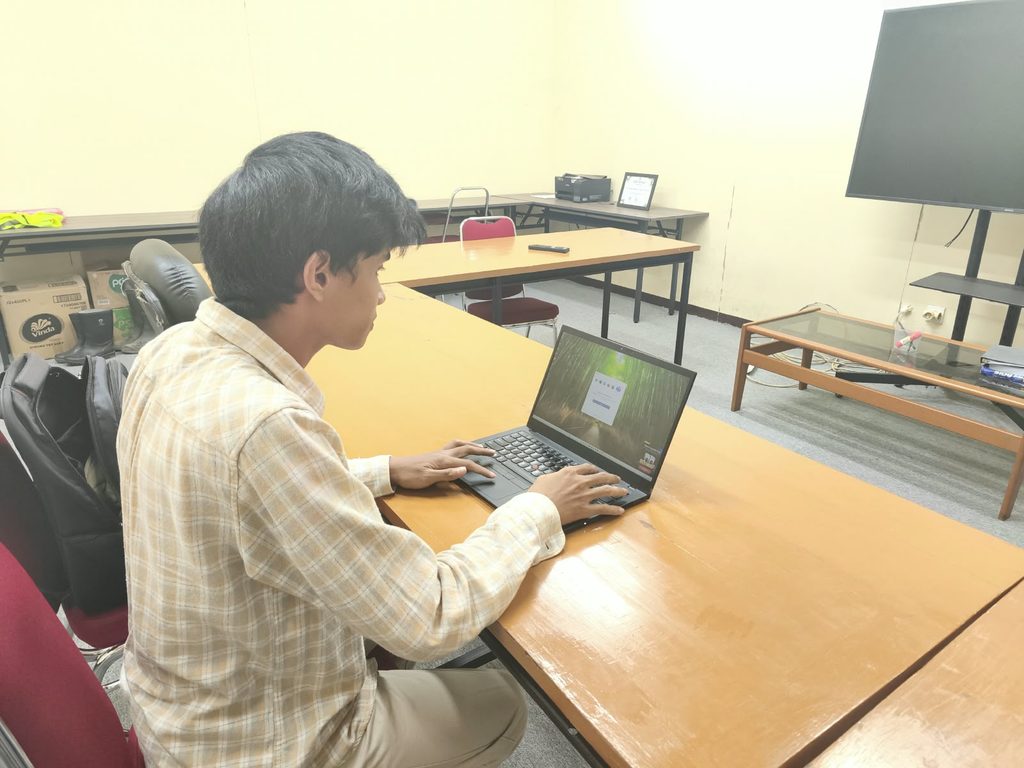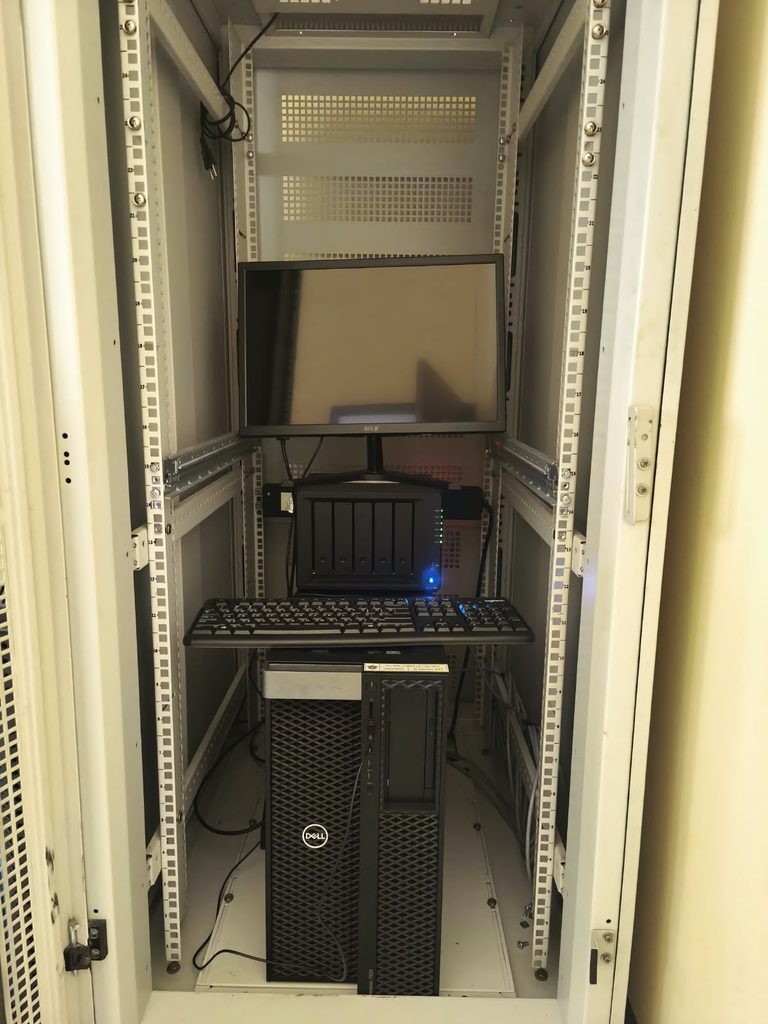
The Geophysics Study Program at Hasanuddin University (UNHAS) has provided workstation facilities to support student learning and research requiring high-performance computing, while also expanding research access for students with limited access to adequate computing devices.
The initiative was driven by the growing demand for computational resources in geophysics. At the same time, some students still rely on laptops with limited specifications that are insufficient for processing large datasets or running numerical models.
Saaduddin, a lecturer in Geophysics at UNHAS, said that geophysics students today are expected not only to understand theoretical concepts but also to develop the ability to process, analyse, and interpret various types of Earth science data.
“In geophysics, we work with considerably large datasets, such as earthquake data and decades of weather and climate records. Processing these data and running numerical models require computing capabilities that students’ personal laptops cannot always provide,” he said in Makassar.
Through the workstation facilities, students can continue using laptops with basic specifications while accessing more powerful computing resources. This allows computationally intensive data processing and modelling to be carried out through the workstations without requiring students to purchase high-specification computers.
The facilities are also intended to provide more equitable research opportunities, particularly for students who face financial constraints but have a strong interest and motivation to conduct research.
“We do not want limited access to technology to become a barrier to research. Students who cannot afford high-specification laptops should still have the same opportunities to develop ideas, process data, and produce high-quality research,” Saaduddin said.
The availability of the workstations is expected to give students greater freedom to select research topics based on their academic interests and the scientific questions they wish to explore, rather than on the limitations of their personal devices. The facilities can support the processing of geophysical, earthquake, weather, and climate data, as well as the modelling of various Earth and environmental phenomena.
In the long term, the initiative is expected to improve the quality of undergraduate theses and research, strengthen a culture of computational research, and enhance the competencies of Geophysics graduates.
Its impact will therefore be measured not simply by the availability of computing equipment, but by the opportunities it creates for more students to conduct research, produce scientific work and innovation, and develop competencies relevant to advances in geophysics and the evolving needs of the workforce.