
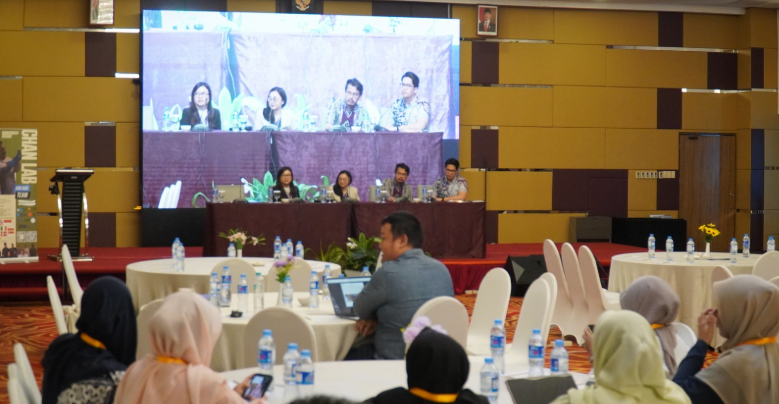
International scientific perspectives on drug-resistant epilepsy took center stage in Makassar as Hasanuddin University (UNHAS) hosted the Pharmaceutical Sciences, Technology, and Practice 2026 (PharmSTeP 2026), bringing together researchers, clinicians, practitioners, students, and patient communities to discuss advances in pharmaceutical science, clinical care, and drug delivery. Hosted by the Faculty of Pharmacy at UNHAS, PharmSTeP 2026 featured pre-conference workshops on August 14, 2026, followed by the main international seminar on 15-16 August 2026, at Aston Makassar Hotel & Convention. The program combined scientific, clinical, technological, and patient-centered perspectives on epilepsy and pharmaceutical innovation.
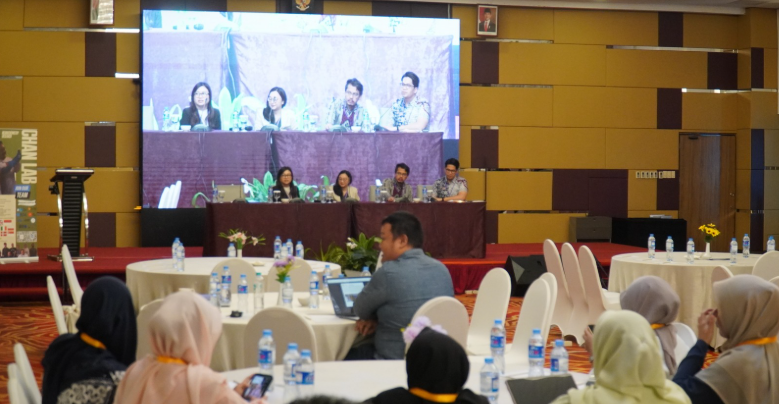
A central theme of the conference was drug-resistant epilepsy, with sessions exploring the neuroscience underlying the condition, clinical aspects of care, and approaches to optimizing antiepileptic drug delivery to the brain. The program also brought patients, caregivers, and advocacy perspectives into the scientific discussion, highlighting the importance of connecting biomedical advances with real-world patient needs. This patient-centered focus closely reflects SDG 3: Good Health and Well-Being, particularly efforts to improve access to more effective approaches for complex neurological conditions.
The conference further addressed pharmacogenomics and clinical pharmacy, drug discovery from natural sources, and technological innovations in epilepsy diagnosis and monitoring. Together, these topics reflected the multidisciplinary nature of contemporary epilepsy research, where pharmaceutical technology increasingly intersects with clinical practice, neuroscience, and emerging biomedical approaches.
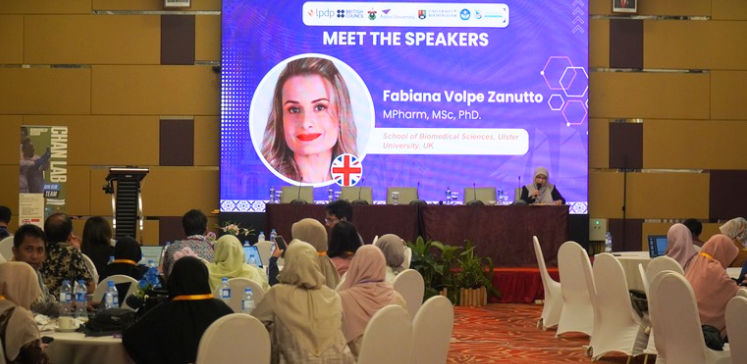
PharmSTeP 2026 was also closely connected to the TUMPAS Epilepsy Indonesia research initiative, “Targeted Brain Delivery Using Modern Pharmaceutical Innovation of Antiepileptic Drug to Solve Drug-Resistant Epilepsy in Indonesia.” The international research collaboration brings together UNHAS, Aston University, and the University of Birmingham, with support from the British Council and LPDP. By connecting researchers and institutions across Indonesia and the United Kingdom around a shared health challenge, the initiative also demonstrates the role of international research partnerships envisioned under SDG 17: Partnerships for the Goals.
Beyond the scientific program, the pre-conference workshops focused on strengthening research capacity through discussions on LPDP scholarship opportunities, translating research into public policy, and best practices in editing and reviewing manuscripts for reputable academic journals. These activities provided participants with opportunities to strengthen skills beyond laboratory and clinical research, while also supporting wider access to research training and academic development in line with SDG 4: Quality Education. For UNHAS, PharmSTeP 2026 provided a platform to strengthen international academic engagement while connecting pharmaceutical research with clinical practice and broader health challenges. It also created opportunities for researchers, healthcare professionals, students, and patient communities to exchange perspectives on how scientific innovation can respond more effectively to the realities faced by people living with epilepsy.
More importantly, the conference reinforced a shared message: addressing complex conditions such as drug-resistant epilepsy requires collaboration across disciplines, institutions, and perspectives. By bringing these perspectives together in Makassar, PharmSTeP 2026 contributed to the growing international discussion on how pharmaceutical innovation can be translated into more effective and patient-centered care.